Cold Coffee
never breaking news.
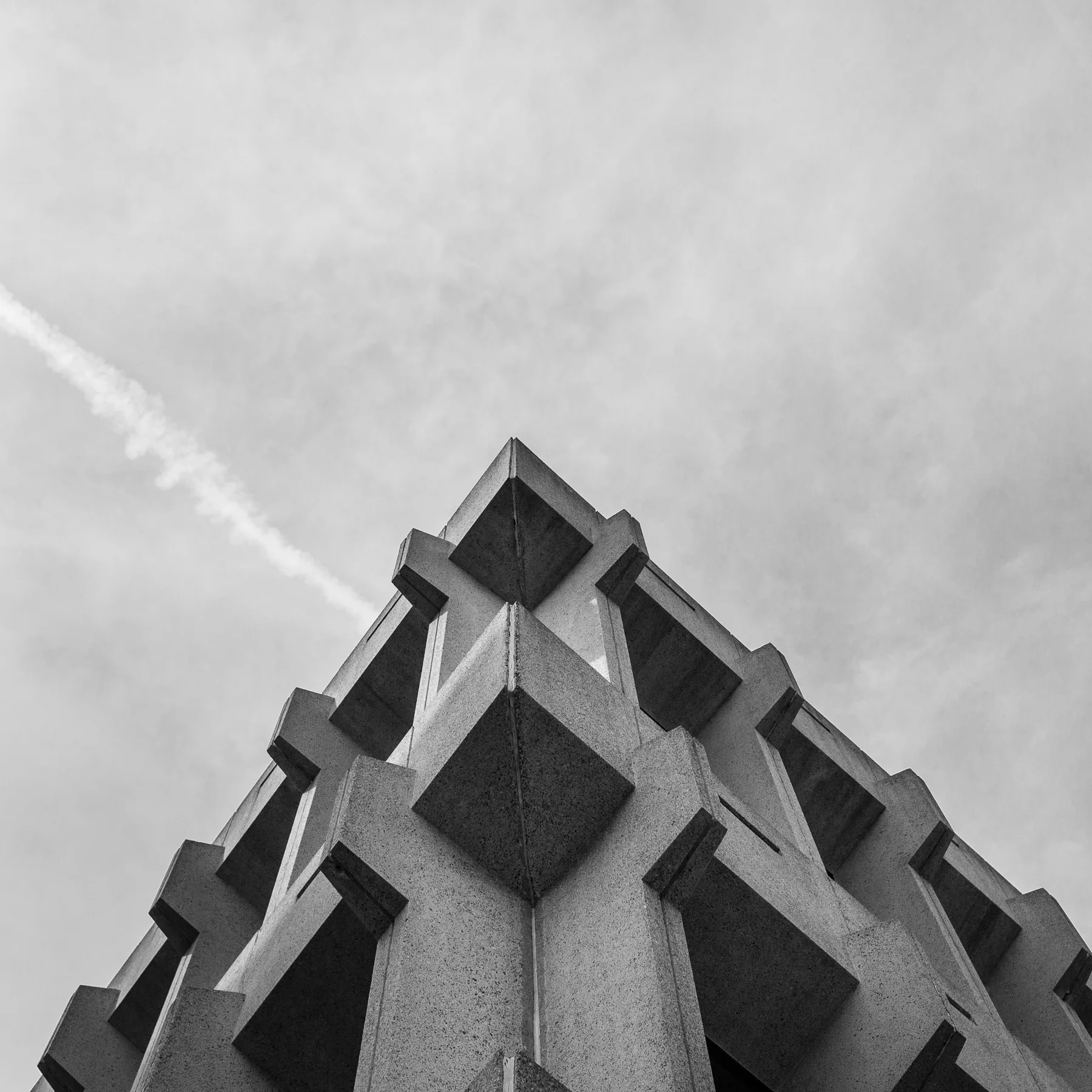
Brutal and Unloved
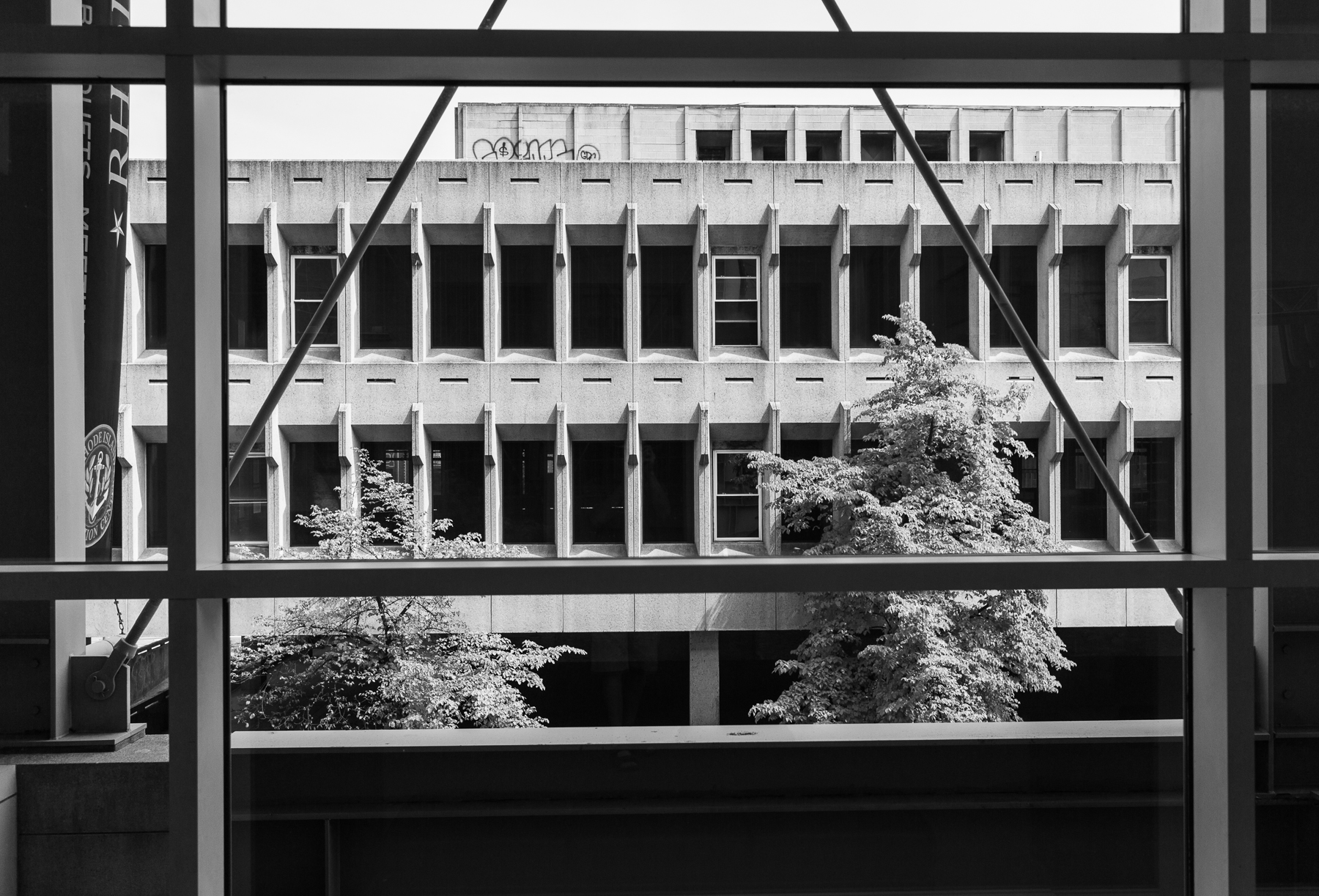
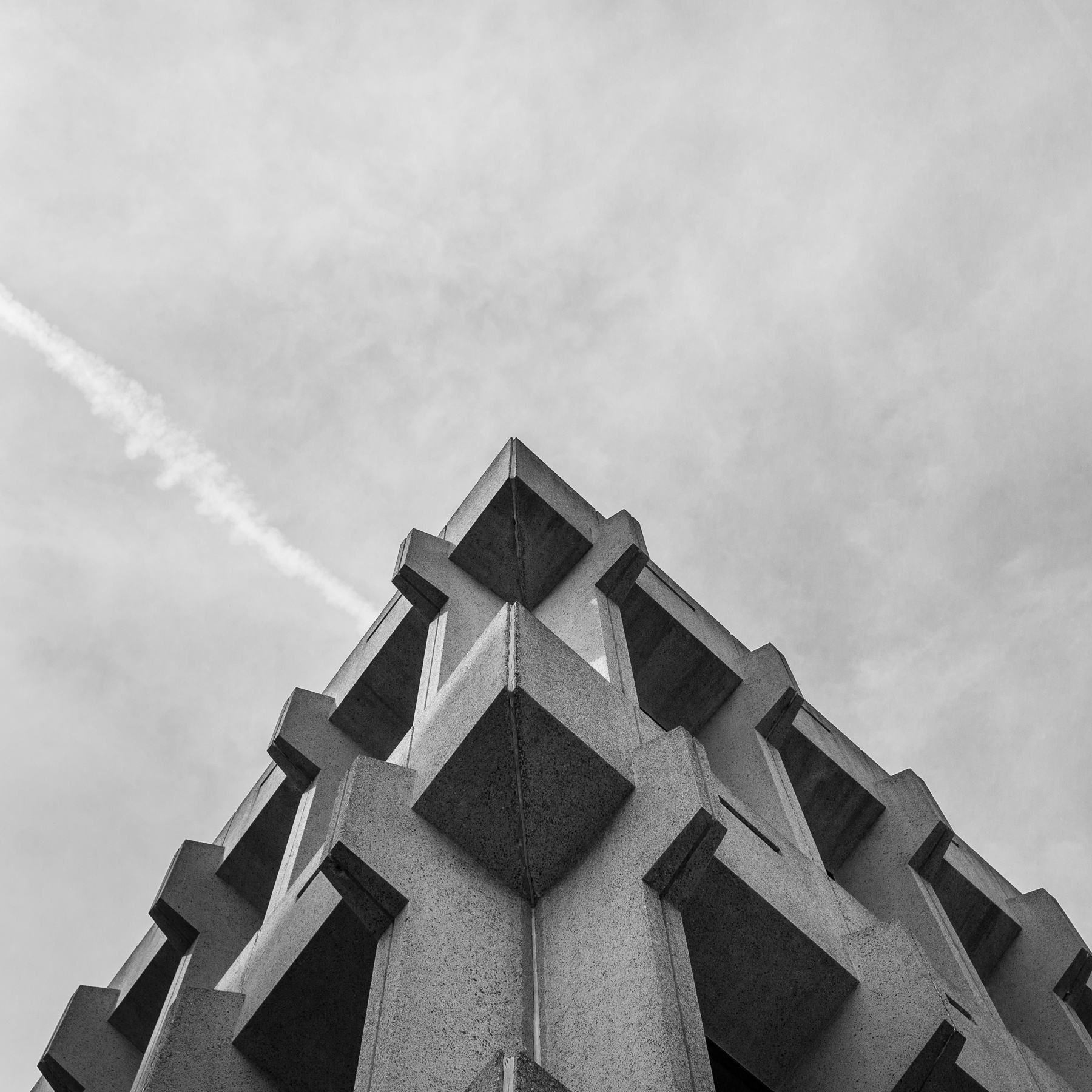
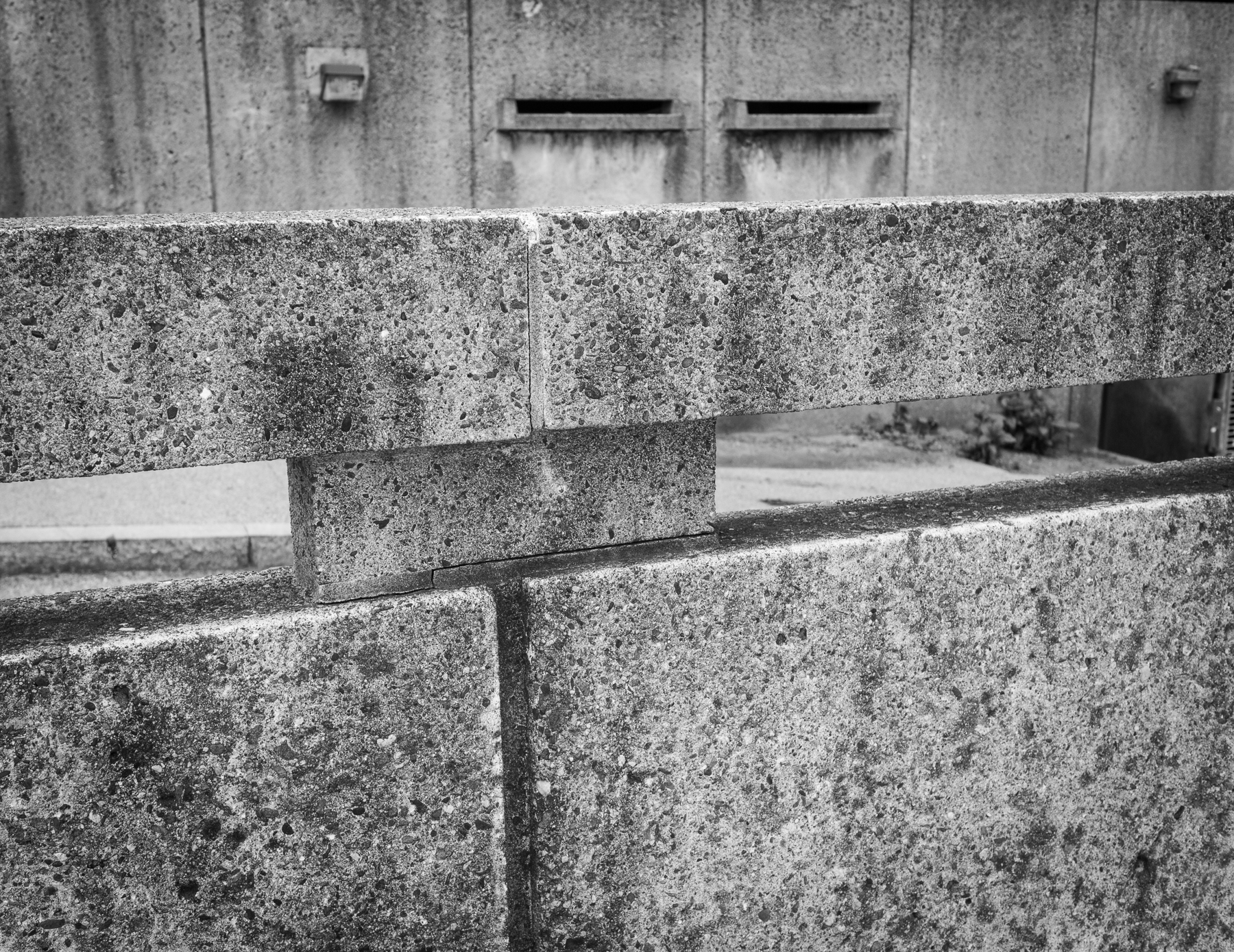
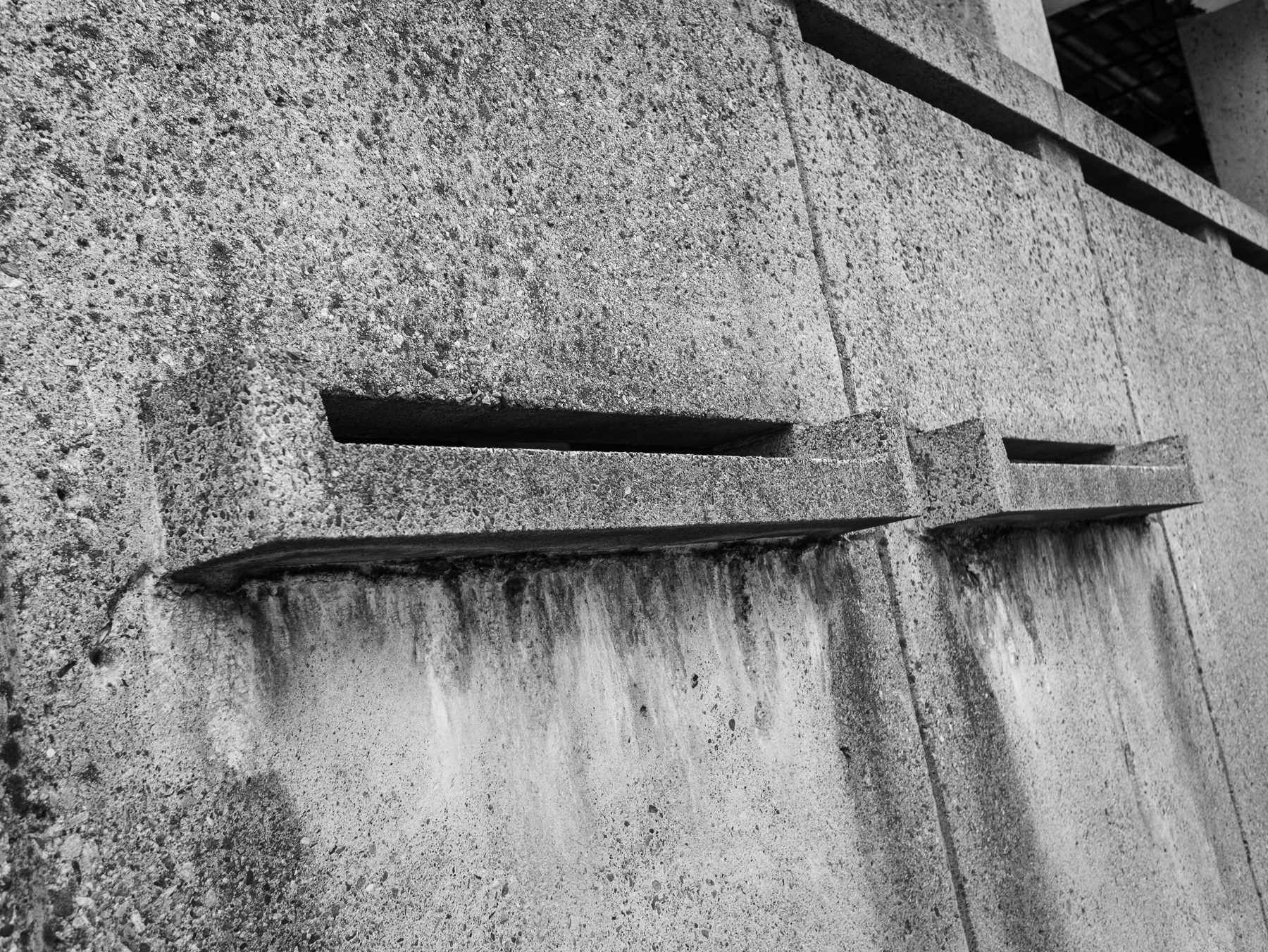
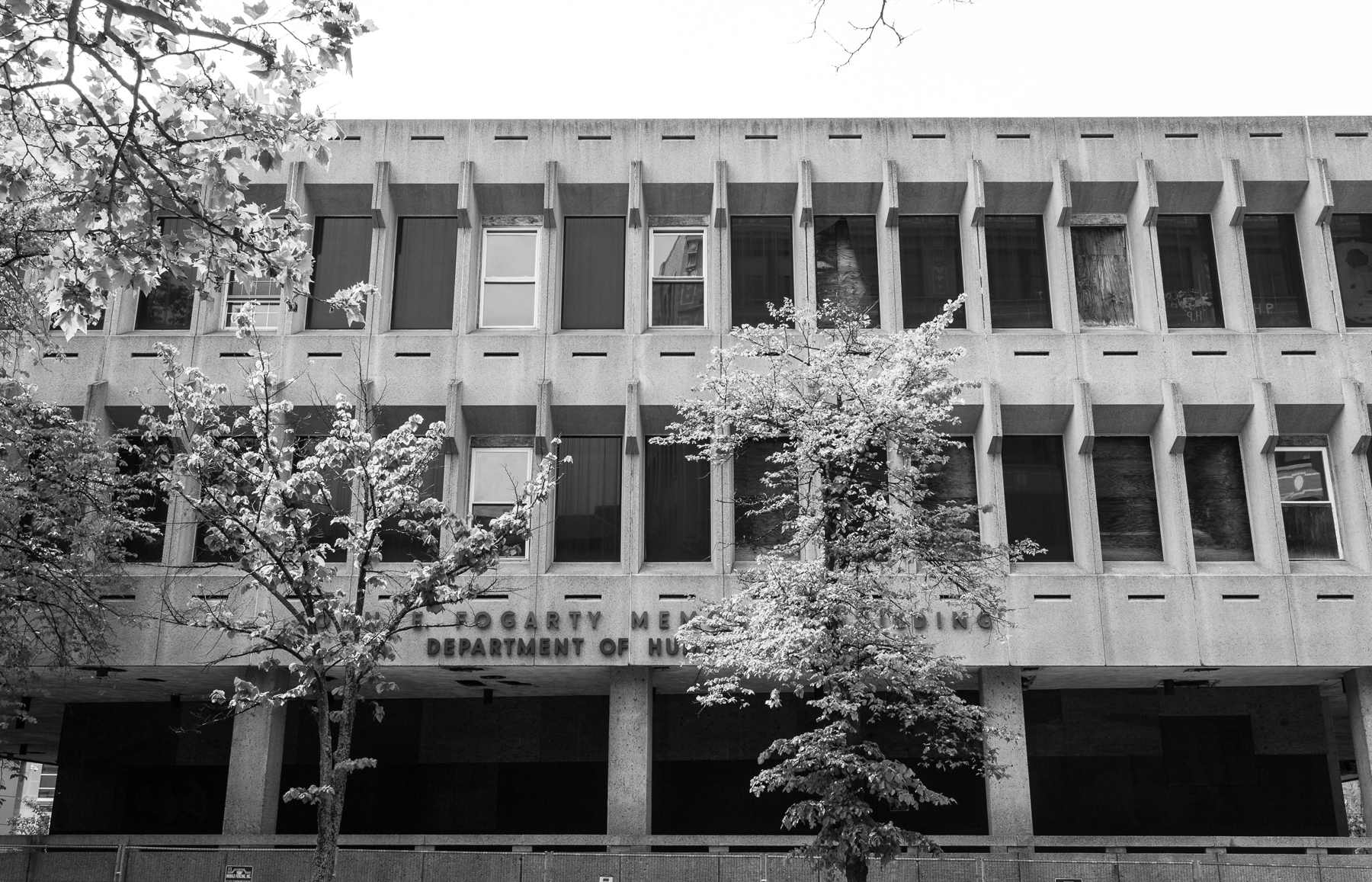
Sketches towards a photo essay on the doomed Fogarty building, Fountain Street, Providence.
Read about it here.
Field Notes: Photographing what's not there.
Making the photographs for the 2015 Most Endangered Properities show.
Former site of Fruit Hill School. 2015
Now that the Most Endangered Properties 20th Anniversary Photography Exhibit is now open I can share my contribution and how it was done. This year I took on the task of photographing three sites where the endangered property could not be saved. These are the former sites of the Grove Street school, Fruit Hill school and Providence Fruit and Produce warehouse. Two locations are currently empty lots and the third has some new commercial development. A full history of each site can be found here.
Former site of Grove Street school. 2015
Former site of Fruit and Produce Warehouse. 2015
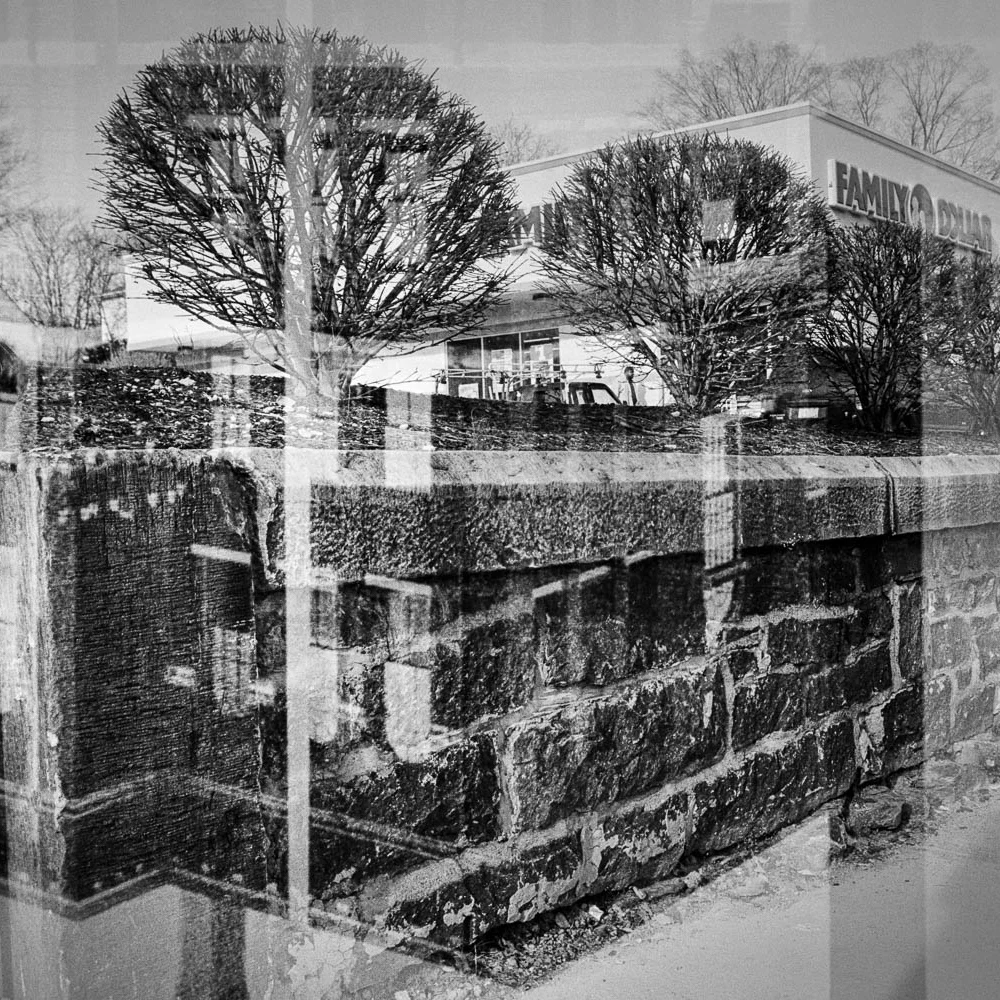
I took an approach with these locations to layer the current state with what was lost using in camera montage. Each space was photographed on a roll (two rolls) of 35mm film. I chose not to go with just one set point of view, rather I walked the site and recorded what saw and what interested me as I explored the space. I moved from wide views to details, looking for good coverage and nice juxtapositions. The film was then rewound, leaving just the leader exposed and identified by site.
Back in the studio I set up for basic copy photography, mounting the camera on a vertical stand and swapping in a macro lens. I had previously collected vintage images of each site, in the case of the Produce Warehouse I used my own images from the 1990s. I used archive images of the two schools including some vintage postcards. On each site I had about a half dozen different archival images to choose from. I used 5x7 prints of each. I then reloaded the film and cycled through the various images, sometimes altering cropping and exposure.
I then crossed my fingers and processed the film in the darkroom. I easily could have done this digitally but one of the wonderful aspects of shooting film is to open your work up to an element of chance. I always look for ways that I can introduce the "happy accident" or employ a chance operation. There is risk, but in risk their can be reward. Happily I felt I was rewarded here.

HARRY CALLAHAN Providence, ca. 1966 (Shepards)
Astute photo history people no doubt notice that I was inspired in this by the work of the master photographer Harry Callahan. In the 1960s during his tenure as the head of the photo program at RISD he did an amazing series of in camera montages, photographing, most appropriately. in downtown Providence among other places. The image above features the storefront windows of Shepards department store. The Shepards building was one of the very first properties on the MEP list and happily has been saved.
As I was working on deadline, I hedged my bets and shot each site in a more conventional way. It never hurts to have a backup plan. These were also shot on film, this time on 120 format using a Graflex SLR. This type of camera lends itself to a low point of view which seemed appropriate to me for these vacant sites, especially the former school locations.
Former site of Fruit and Produce Warehouse. 2015
Former site of Fruit Hill School. 2015
Former site of Grove Street school. 2015
Warehouse coming down....A Rant
Well, it's happening, the Providence Fruit and Produce Warehouse is coming down. Shortly after the Judge gave the go ahead demolition began. How is it that it can take months to get a contractor going on even the smallest of projects yet there always seems to be a demolition crew ready to go at a moments notice. Weekends, holidays, midnight? No problem.
Demolition was forced to pause for a little bit when Eric Bright and Clay Rockefeller (and their dogs) climbed on to the roof. They were hoping to buy some time for a State appeal, but no appeal was filed. Nice try anyway, guys. Good to see someone from PPS get involved and get out there, seems like a while since they have been vocal on a demolition issue.
A lot of questions remain around this case. What did the developer agree to regarding preservation? How does a structure become so "unsound" so quickly? With a State budget in crisis and furloughs looming, why does a property get sold at a price below its value on the basis of a vague promise to redevelop?
Finally, why does it seem that the ProJo always comes down on the wrong side of an issue? In two pieces in today's opinion section they make it clear that they only care about pretty buildings that rich people once lived in. In the editorial they state "We shed no tears for the 79-year-old structure..." while at the same time bemoaning the fact that a parking lot now occupies the site of the former Police and Fire headquarters. Well, if you do nothing, don't be surprised when buildings are razed.
The column by David Brussart expands on this narrow-minded vision (expand on narrow-mindedness?). He states flatly: "Don't save the produce terminal". Basing his judgement on the evidence of a few renderings he dismisses out of hand any idea of adaptive reuse. He states "So if its exterior were no longer going to look as it did when it was still in use, then what good would it be as a historical artifact? Not much." I say, a lot. First, I reject the idea that it would not be possible to maintain the look of the building in reuse. The extreme proportions, the art deco elements cast into the exterior, the distinctive profile of the roof line, all of this could be kept quite recognizable. No one is looking to keep the building as a museum piece. Secondly, it has great value because it connects us to our past, it is real in a way that buildings like the Providence Place Mall will never be. This is our heritage, built for an honest hard working purpose, not a sham echo of something it is not. This is not a decorated box, which is almost surely what we will get in the place of the warehouse. This building has character which could be imparted onto a new enterprise. People could go there once again to do things and in so doing they could look around and understand what people once did, and perhaps feel some connection to those who came before.
Brussart also states that the building should come down because it isn't beautiful. Well, I disagree, and so do many others, judging by the comments on Urban Planet. Anyway, that is in the eye of the beholder for sure. As to his other points, I'll finish with a particularly idiotic passage where he says: "If you can’t demolish a building like the produce warehouse, what can you demolish? Yet, to construct new buildings without threatening more and more green space requires demolishing existing buildings. Better they be ugly ones." So this building has to come down to protect green space. Tree hugger.
David, do you want to demolish some buildings? I suggest almost anything on Route 2 from Cranston to South County would be a good start. Leave the properties on the National Register of Historic Places alone.