Cold Coffee
never breaking news.
New Zine: Wile the Days
“I reach into a pocket and unfold a piece of paper. Within: I stand at Walker’s open window, looking straight down his stack of decades…”
Very pleased to have a limited number of copies of my latest zine “Wile the Days” available in the bookstore.
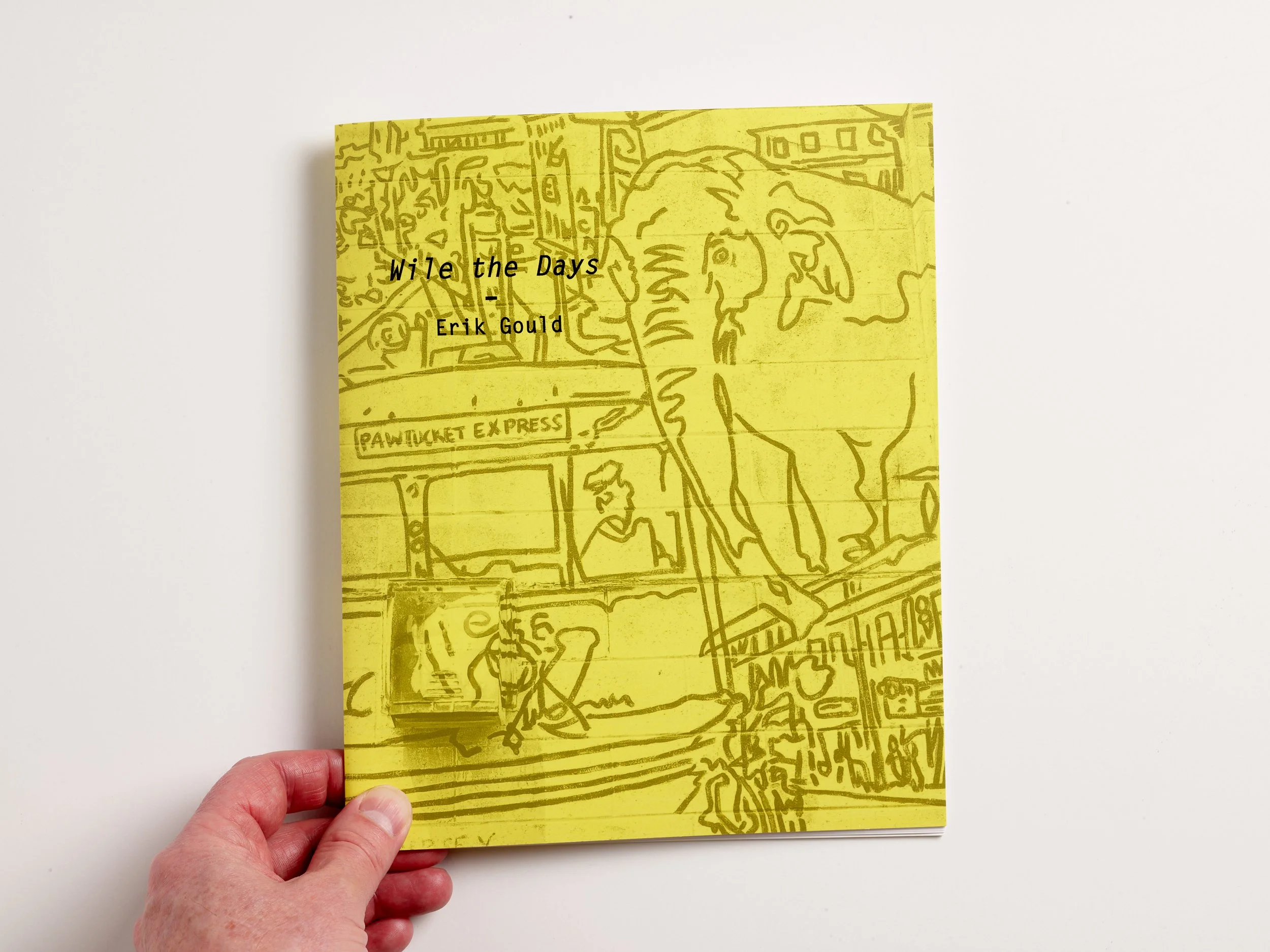
“I can wile the days, so that today and yesterday and tomorrow’s today fold upon themselves like a piece of paper in a pocket…”
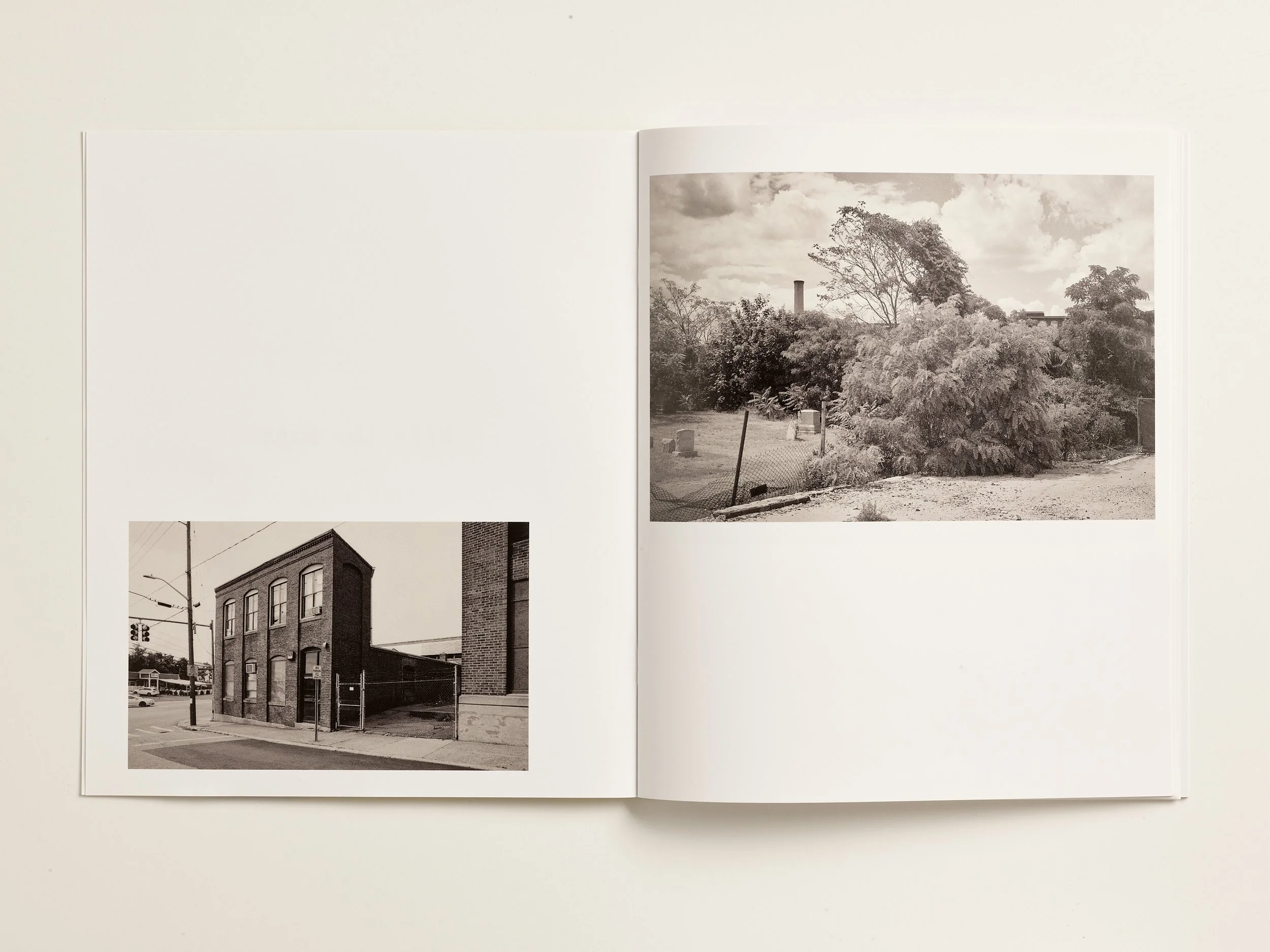
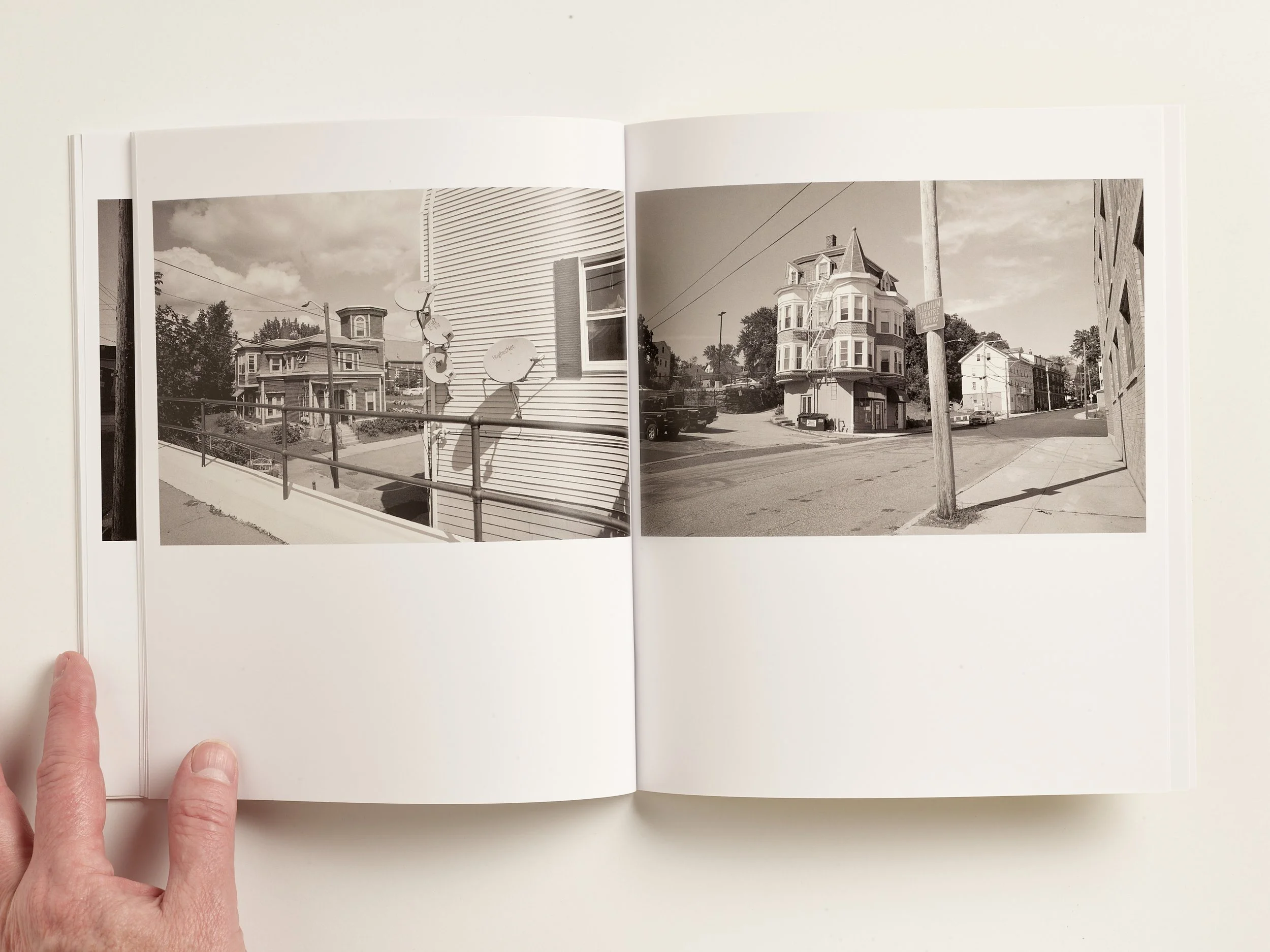
Recent photographs made near my home in Pawtucket, RI, USA.
7.50" X 9.00" - Portrait format zine; staple bound
44 pages; 38 photographs, text
Chroma Snapshot
User experience / Review
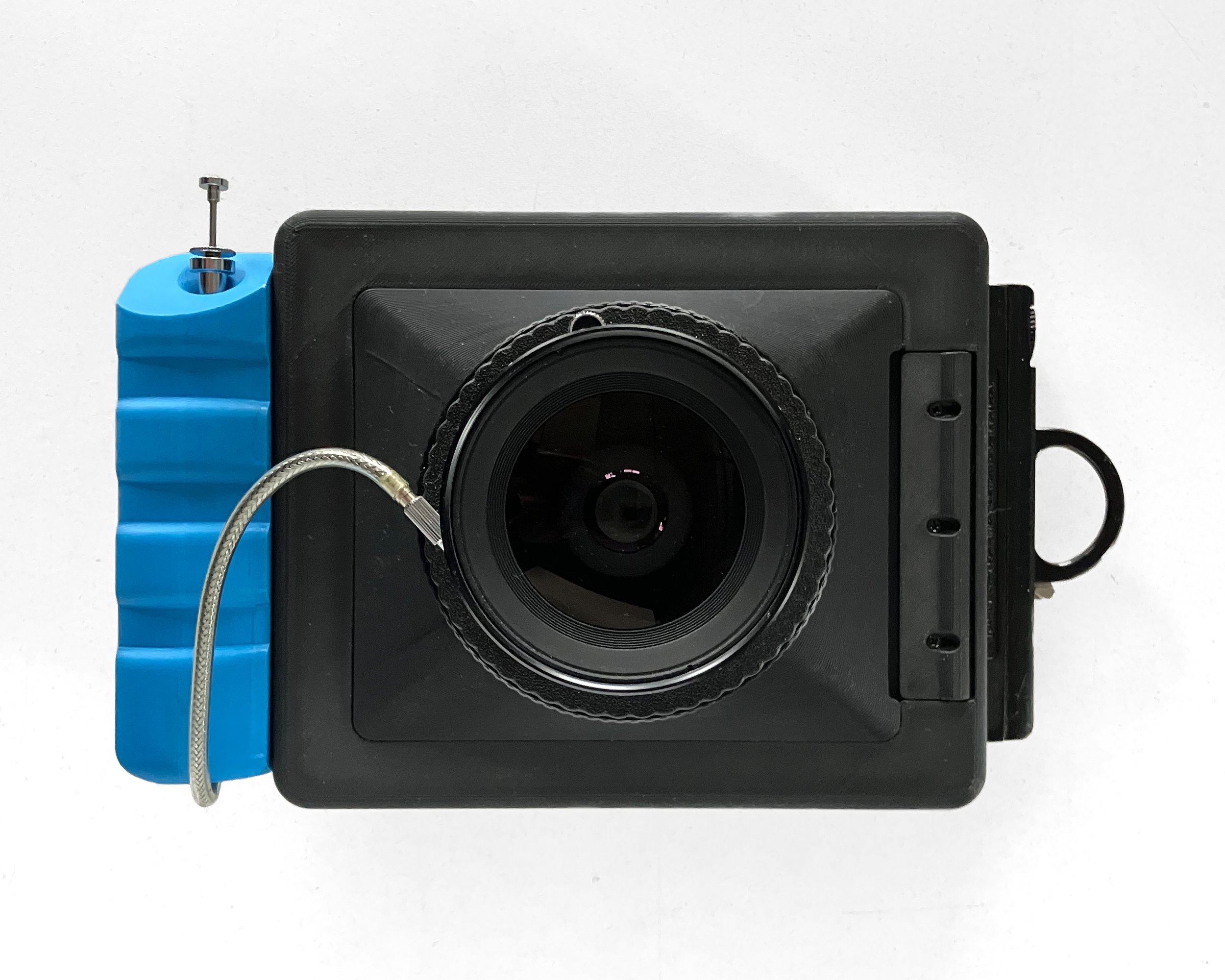
Chroma Camera 4x5 Snapshot
Chroma Camera 4x5 Snapshot, back with Grafmatic
The Chroma Snapshot is a 4x5 film camera made by Chroma Camera, which offers an interesting, ever-evolving line of 3D-printed cameras in several formats. The Snapshot is intended for quick, handheld use and is optimized for wide-angle lenses. It does come with a ground glass for focusing, view-camera style, but it shines as a scale-focusing, viewfinder-framing superwide camera, and that is what I was after.
Back of the camera showing ground glass and glass cover.
I enjoy working with scale-focusing cameras; I have a 120-format superwide that I use quite regularly. Call this photographer's math, but when I discovered that Chroma offered a lens cone that would fit the Fuji 65mm SWD lens that I already own, and that I also already own 4x5 grafmatic backs, and that I'm already set up to develop and print 4x5 film, I felt I couldn't afford not to give this camera a try.
The camera is cleverly designed with sturdy components, the finish is very clean, and everything fits together in a simple, logical way. The camera body consists of two parts that connect via strong, recessed magnets. There are built-in accessory shoes and a tripod mount. There is a removable spring back with a ground glass, which thoughtfully comes with a protective cover. This spring back holds a standard film holder in place in the usual way. Built into the body are latches that engage Graflok-style backs, such as the Grafmatic, locking it tightly in place. A detachable handgrip mounts to the right side of the body. At my request, mine was printed in blue, which is definitely a fun aspect of a printed camera.
Chroma Camera 4x5 Snapshot
The lens cone attaches to the camera body with a sliding latch, making it easy to swap in a different lens/lens cone assembly. So far, I have just one lens set up for this camera. The lens cone has a helical for focusing. After I mounted my lens, I needed to mark the distance scale on the focus ring. I checked it against the scale on my 120 superwide, marking off a useful set of distances. A quick test on film confirmed that I had got it right and that I was good to go.
Focus tests
Weight
Camera and lens: 2.77 lbs
With Grafmatic back: 3.3 lbs
Junk drawer viewfinder and riser.
Provincetown
Along Bradford St. Provincetown MA
Commercial St., Provincetown, MA
Provincetown, MA
Provincetown, MA with light leak
An initial outing was a day trip to Provincetown, MA. I carried the camera, a light meter, and two Grafmatic magazines in a shoulder bag. For a viewfinder, I used a 21mm CV finder. The size and weight were easy to manage, which was great, as I was walking with my family and couldn't dawdle, at least not too much. Scale focusing and framing were no trouble, and with a cable release threaded through the grip, tripping the shutter was smooth and steady. One wrinkle I had was down to the Grafmatics. It is easy, especially when handholding, to get enough leverage to pull the film magazine away from the camera body, causing light leaks. I've experienced light leaks with these backs and a Speed Graphic camera. It is a matter of taking your time as you slide the magazine back and forth. I should have been more careful. Something else I did here was using the spring back to hold the Grafmatic in place rather than the latches; this greatly increased the risk of light leaks. Lesson learned. Even so, I was pleased with my results and pleased with the potential.
Images are scans from contact prints with minimal adjustments applied, the film was Ilford HP-5+
Provincetown, MA - This is a view Walker Evans photographed.
Attleboro
War Memorial, Attleboro, MA
Next trip out was a quick train ride up to Attleboro, MA. This time I carried the camera in a small backpack, mounting the Grafmatic back directly. I had a 35mm camera with me, which served as my light meter (and as a camera, too). I found the whole setup great to walk around with. One of the things I enjoy about using a viewfinder camera is how direct it can feel; there's just less to mess with and distract me, and that is a pleasure I've come to appreciate as I walk around exploring a new place. I managed to expose six sheets before a thunderstorm rolled in, sending me running for the next outbound train.
Attleboro, MA
Attleboro, MA
Final thoughts
No question, I'm enjoying this camera and looking forward to more outings. The only note I might offer Chroma is that I wish the grip were a little larger and extended forward from the camera a bit more, but that is a minor observation. I regret not ordering the Chroma-made viewfinder when I ordered the camera, as that might be the perfect finder solution after all. If your photographer math works for you as it did for me, I recommend not hesitating further.
Handholdable 4×5? Yes please.
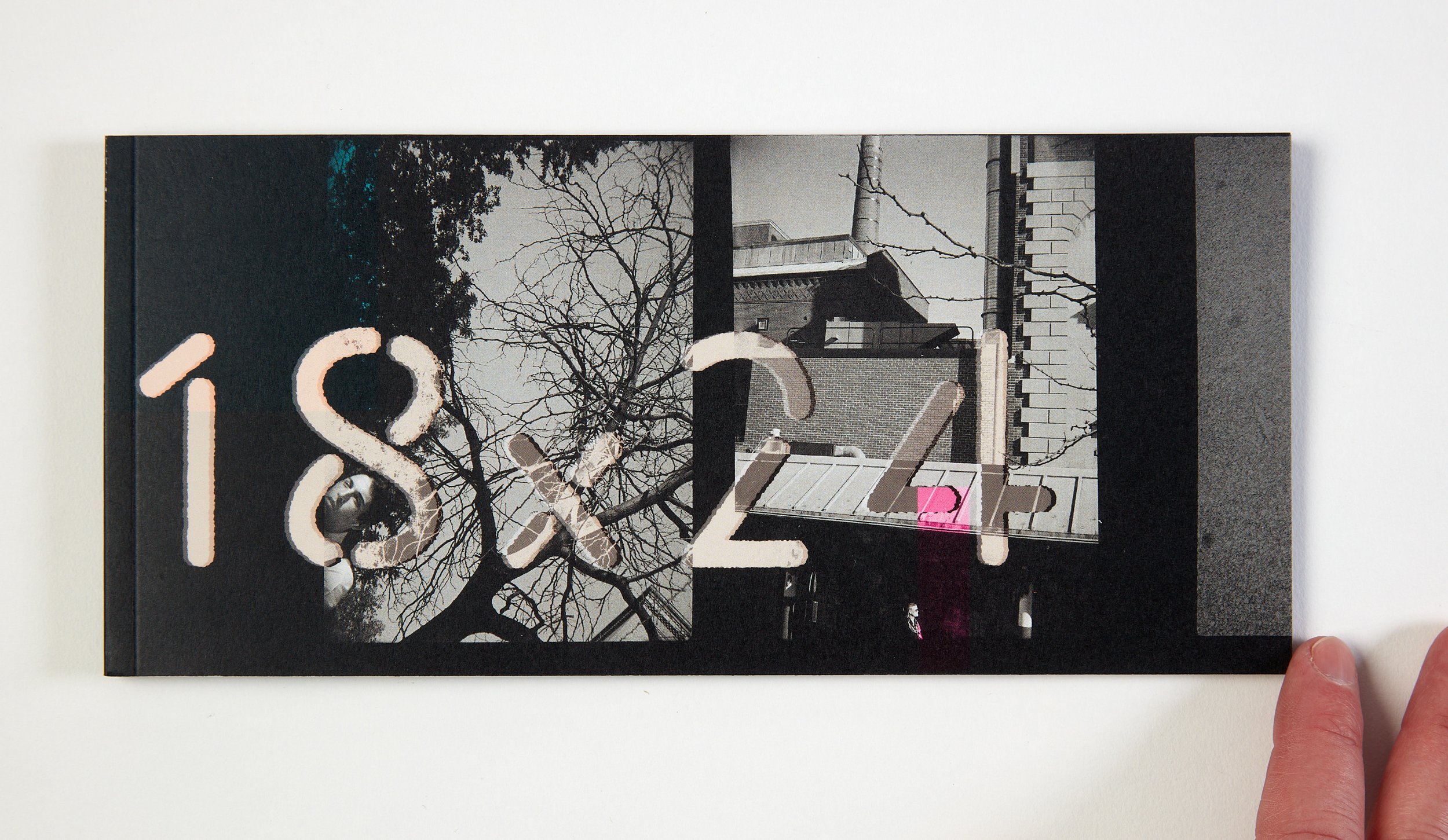

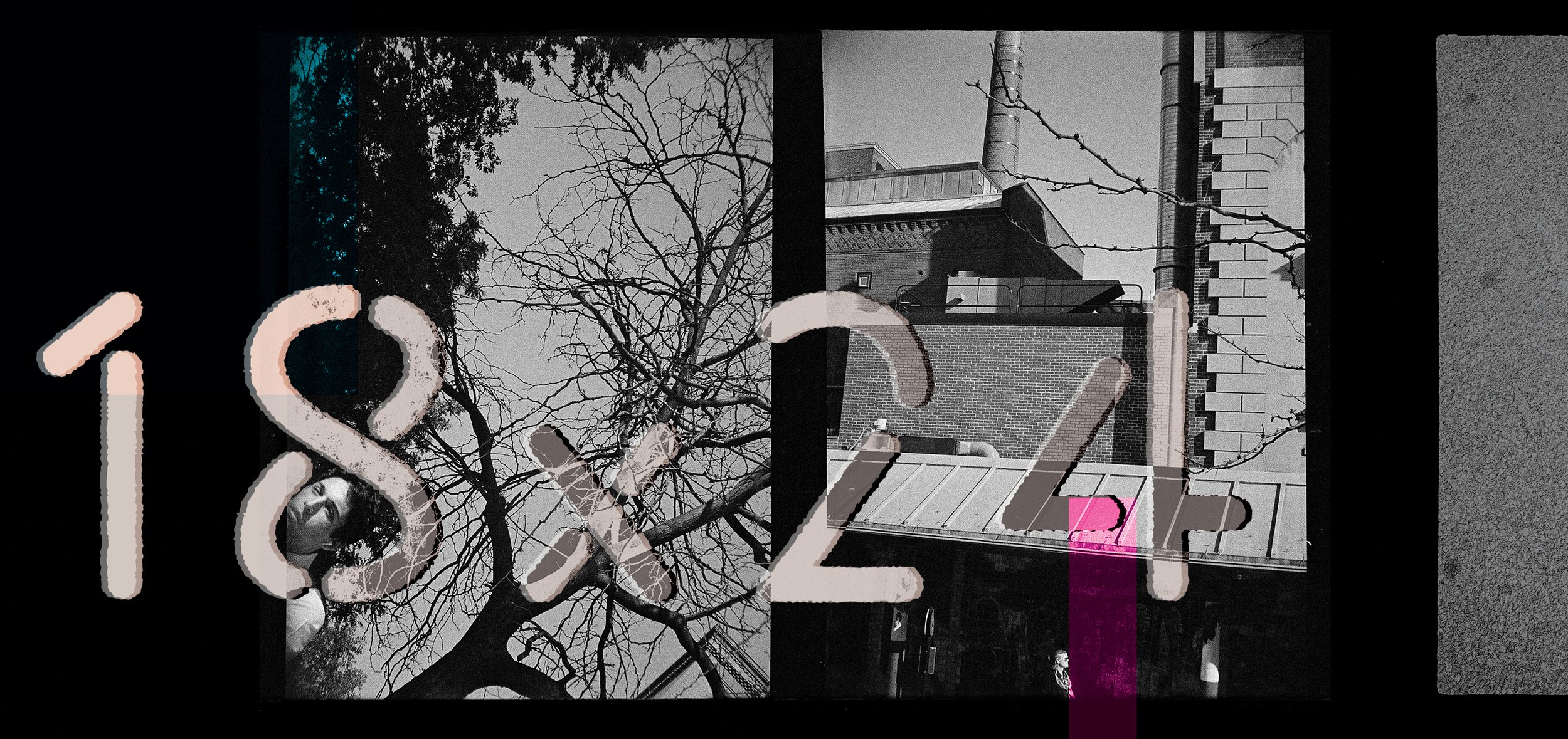
And again! Another zine coming soon: 18x24
On the heals of the release of Arbor Impar, I’m super excited to say I have a second zine coming to the bookstore very soon: 18x24

This is a book that collects the multiframe pictures I have made with my favorite walking companion: the 1/2 frame camera. I have a number of these machines that make 18mm x 24mm images on 35 millimeter film, two pictures in the space of one single 35mm picture.
45 b&w photographs, 60 pages, perfect bound. 8.8 x 415 inches; landscape format
Available in person at the UNbound art book fair at RISD and on this website on April 15.


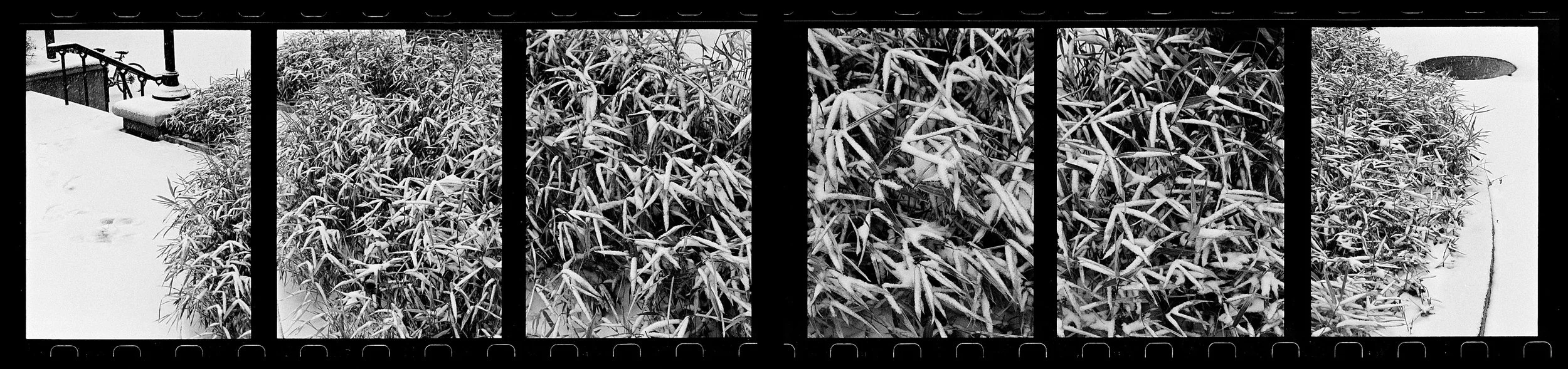


Coming soon: Arbor Impar
New zine drops 4/15/23: Arbor Impar

So excited to announce that a new zine Arbor Impar will be available very soon.
Featuring 59 black and white photographs both new and old that describe my interest in trees, shrubs and other strange growths in the urban environment.
They will be available in person at the UNbound art book fair at RISD and on this website on April 15.


"along" zine + prints Special offer

In March the fantastic Another Place Press published work from my series “along” as Field Notes 043. I’m honored and humbled to have my work included in the excellent Field Notes series of zines. Truly a dream come true for me, as I’ve been a big fan of Another Place for some time. I’m absolutely thrilled with how the zine came out, you can get one directly from AP here.
But I have more…


FIELD NOTES 043 ‘along’
32 pp / 190 x 230mm
Staple Bound
Fedrigoni paper
More!
As a special offer, I have a small number of zines that I’m pairing with prints of 4 images from the series that I’ve printed in a small edition. These are 5x7 inch gelatin silver prints made by me in my darkroom, printed on Foma fiber base paper, archivally processed and selenium toned like a good lad.

Zine + Print 01 “Pawtucket”

Zine + Print 03: “Warren”

Zine + Print 02 “Guy Park”

Zine + Print 04 “Little Falls”
Also!

Zine + Set of 4 prints
Get the along zine + all 4 prints for $43
Please consider making a $10 donation to the Red Cross Ukraine relief effort and I’ll include a sunflower print as a thank you.
Print for Ukraine

Print for Ukraine
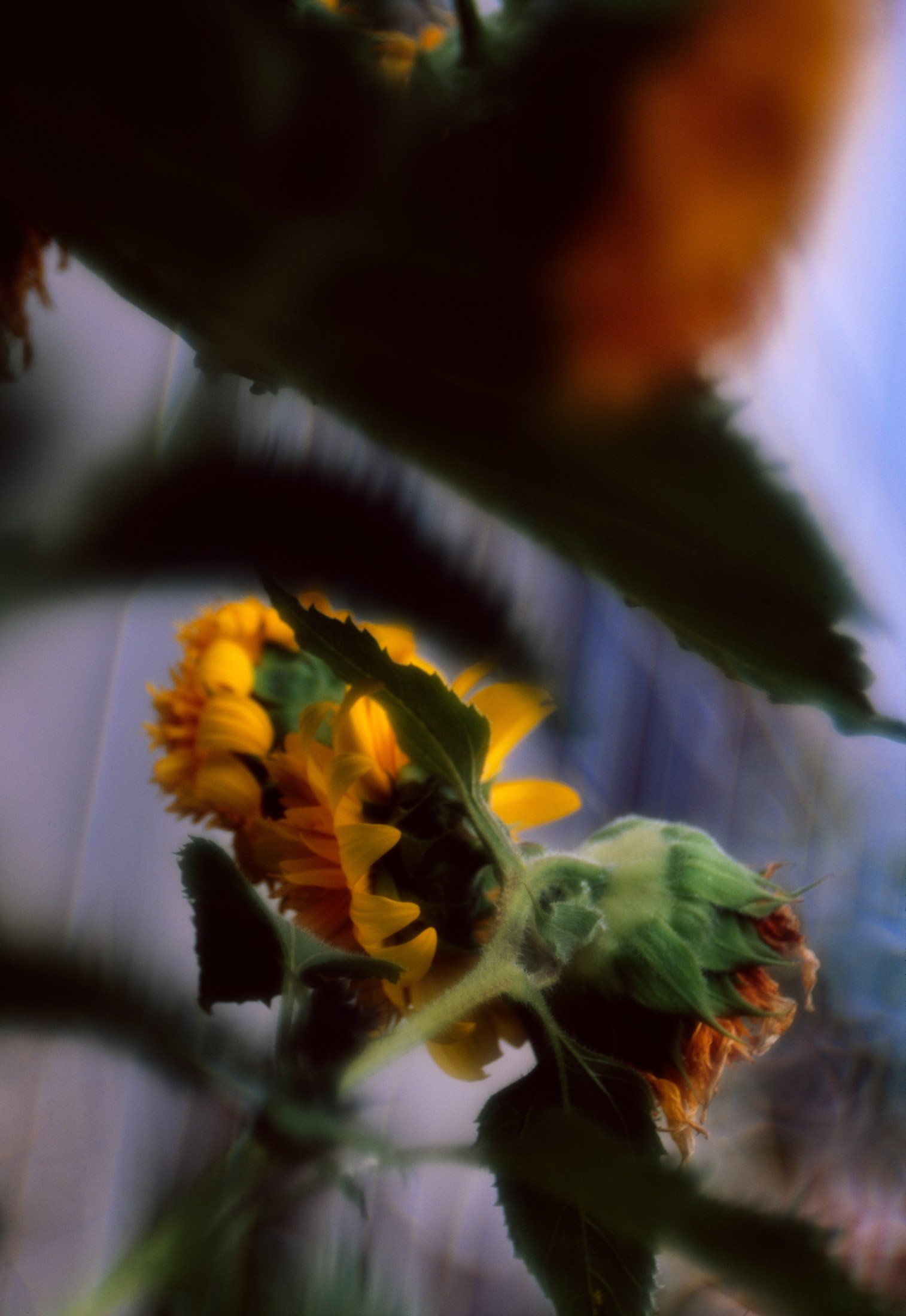
I have a small number of prints of this image available in exchange for a donation to help the people of Ukraine.
How it works:
1: Make a donation of at least $10 to Red Cross Ukraine (or another suitable organization)
2: Show me your receipt for that donation, a screenshot is fine
3. You get a print. We can make shipping arrangements when you share your receipt
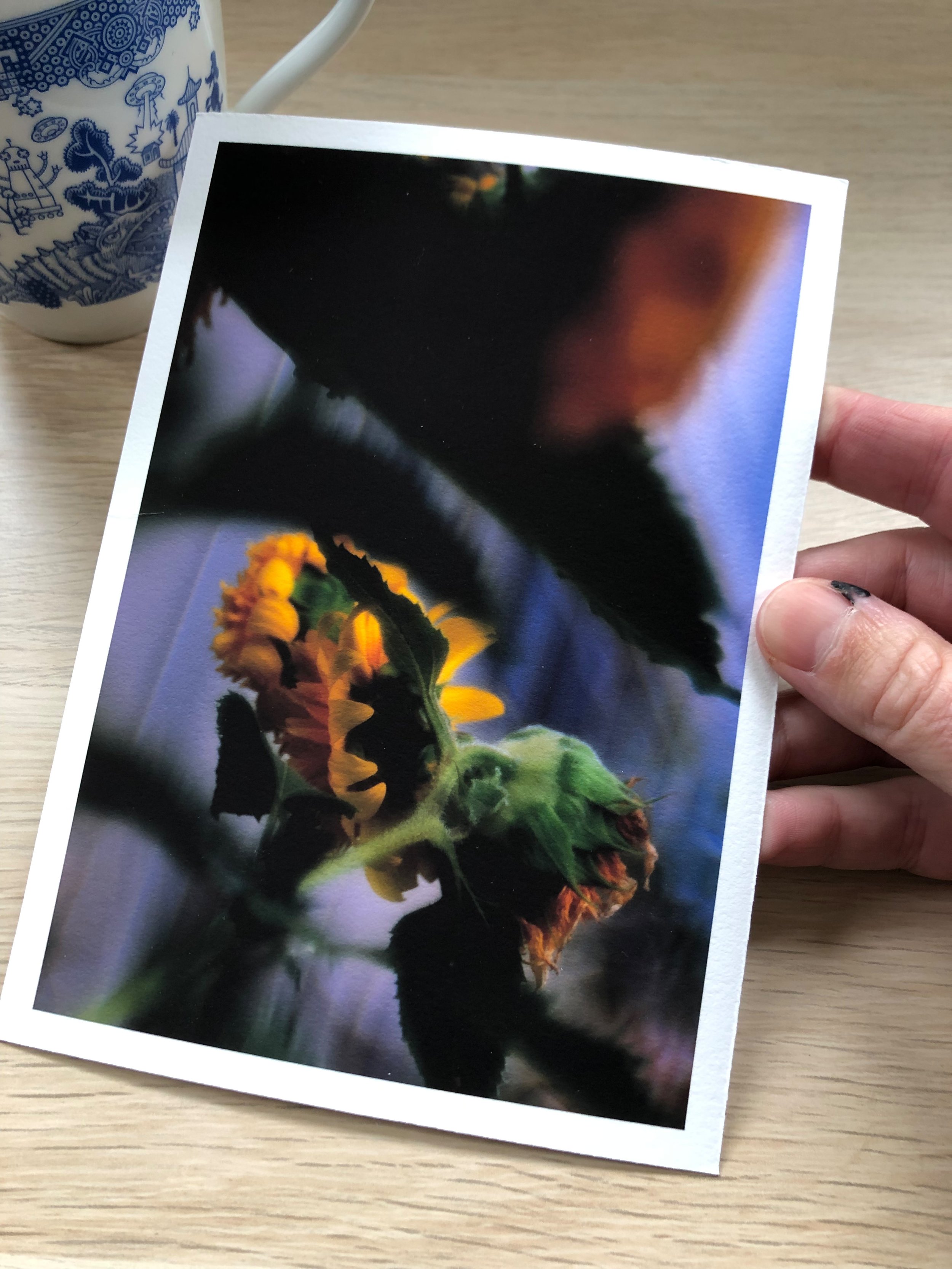
The print is 5x7 inches; printed on Hahnemuhle photo rag paper

QR code for Red Cross Ukraine donation page
Inspired by #photoprintday
Follow the hashtag for more ways to help; Look for the next worldwide #photoprintday event September 2-4
Come see us at RISD Unbound 2022
Unbound, RISD’s art book fair is back and after 2 virtual years it will be a live event!


Saturday, April 9 from 11-5 at the Fleet Library at RISD in downtown Providence, RI
I will have books, zines and prints for sale, please come on by and say hello.
Meniscus Zine now in stock
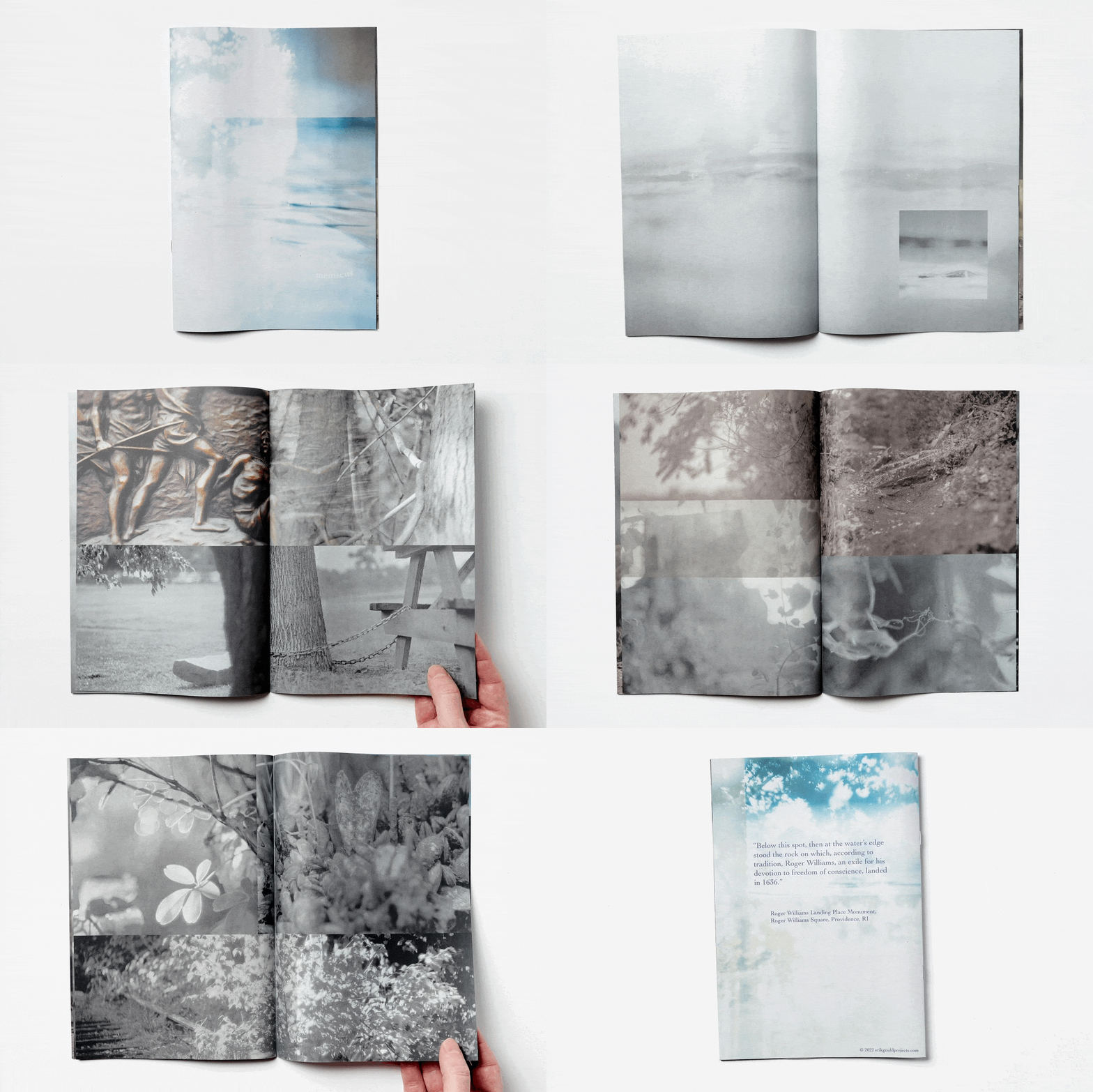
Now available in the bookstore:
16 pages of graflex goodness, 55gsm newsprint, 170mm x 250mm mini magazine.
Go Go Graflex! Resources for Graflex cameras
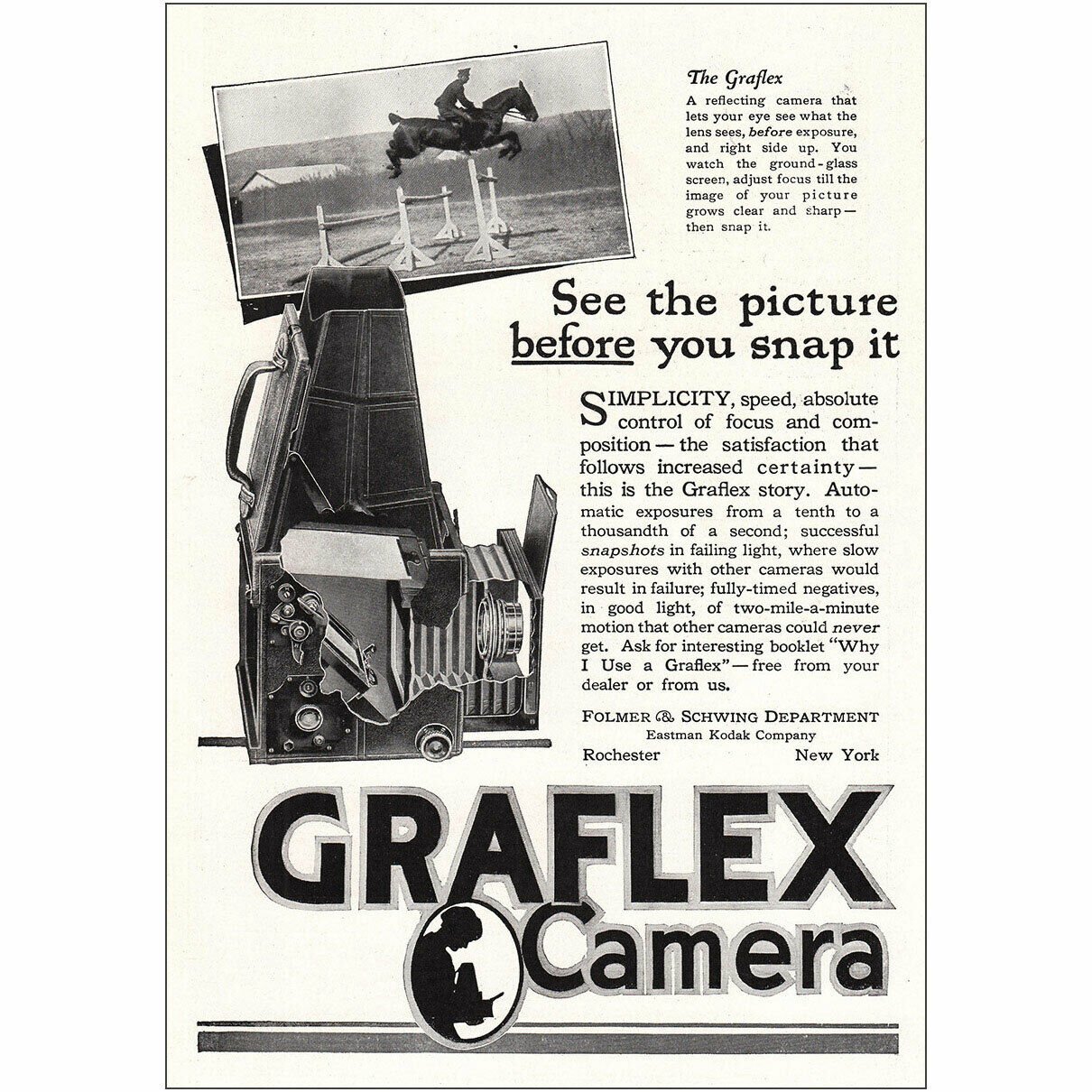
As you may know, I am a fan and user of Graflex reflex cameras, so much so that I am the admin for the Flickr Group Graflex SLR. These are great cameras to use, but they are also old cameras and so they require some TLC, service and repair from time to time. Happily, there are many great options for repair and replacement parts, cool mods, and improvements. I'll share a few things I've found, and I’d love to hear about anything you've discovered.

I love using Cut Film Magazines, otherwise known as Bag Mags, even more so now that I can get replacement leather bags. These magazines work better when the bag isn't dry and stiff. This ebay seller offers new bags you can install yourself, and often has refurbished magazines as well.
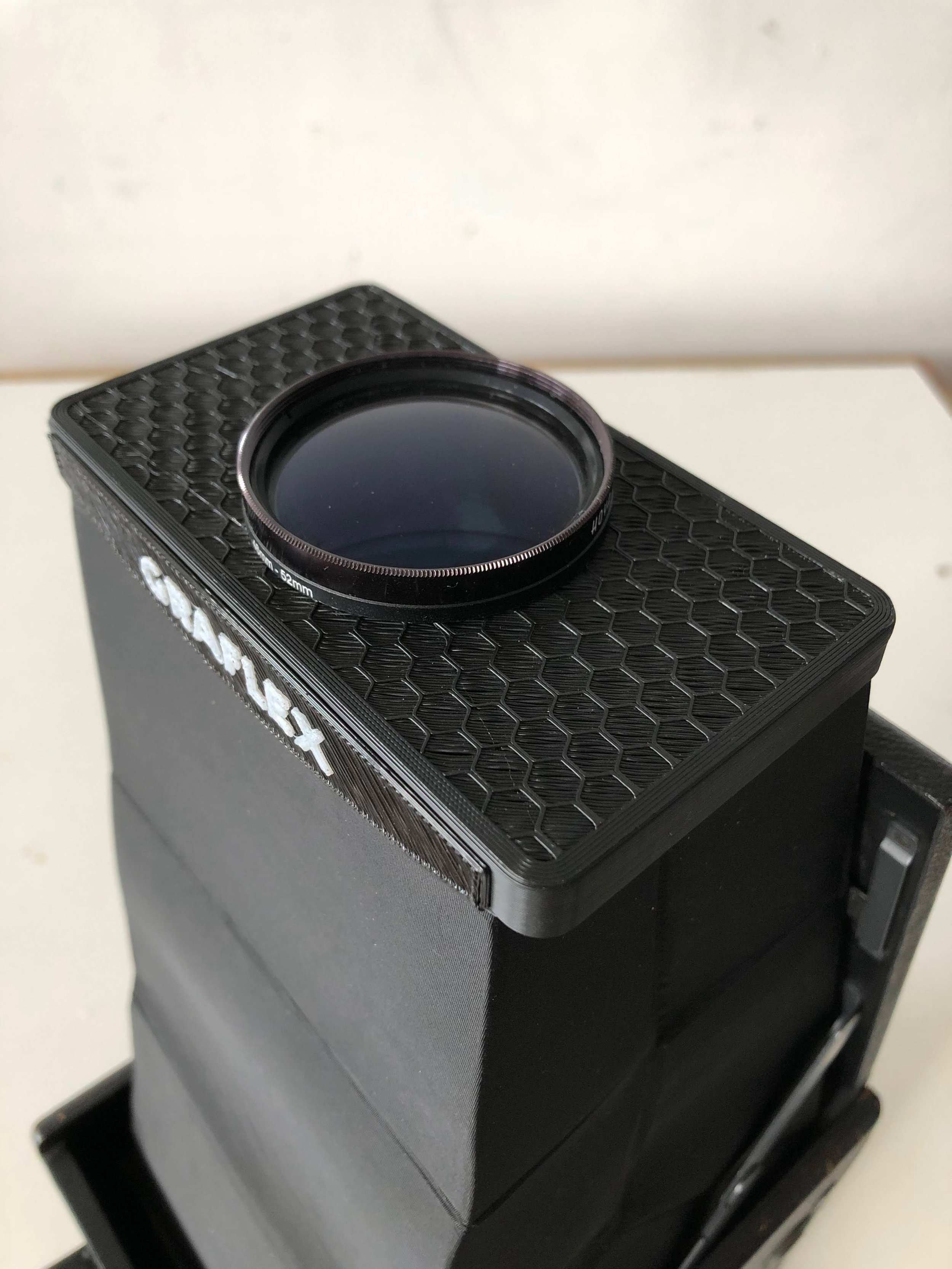
Next, Holgamods made a viewfinder magnifier frame for 4x5 cameras. This frame is a 3D printed piece, and it doesn't include the magnifying lens itself, which is a common treaded close-up filter. It works quite well.
An alternative idea for a magnifier is a sheet fresnel magnifier like these from Amazon. Inexpensive and easy to trim to fit.
Viewing hoods are often in bad shape, and I've seen many different approaches to the problem. If you are like me and would prefer to stay with a hood like the original, here are two options:
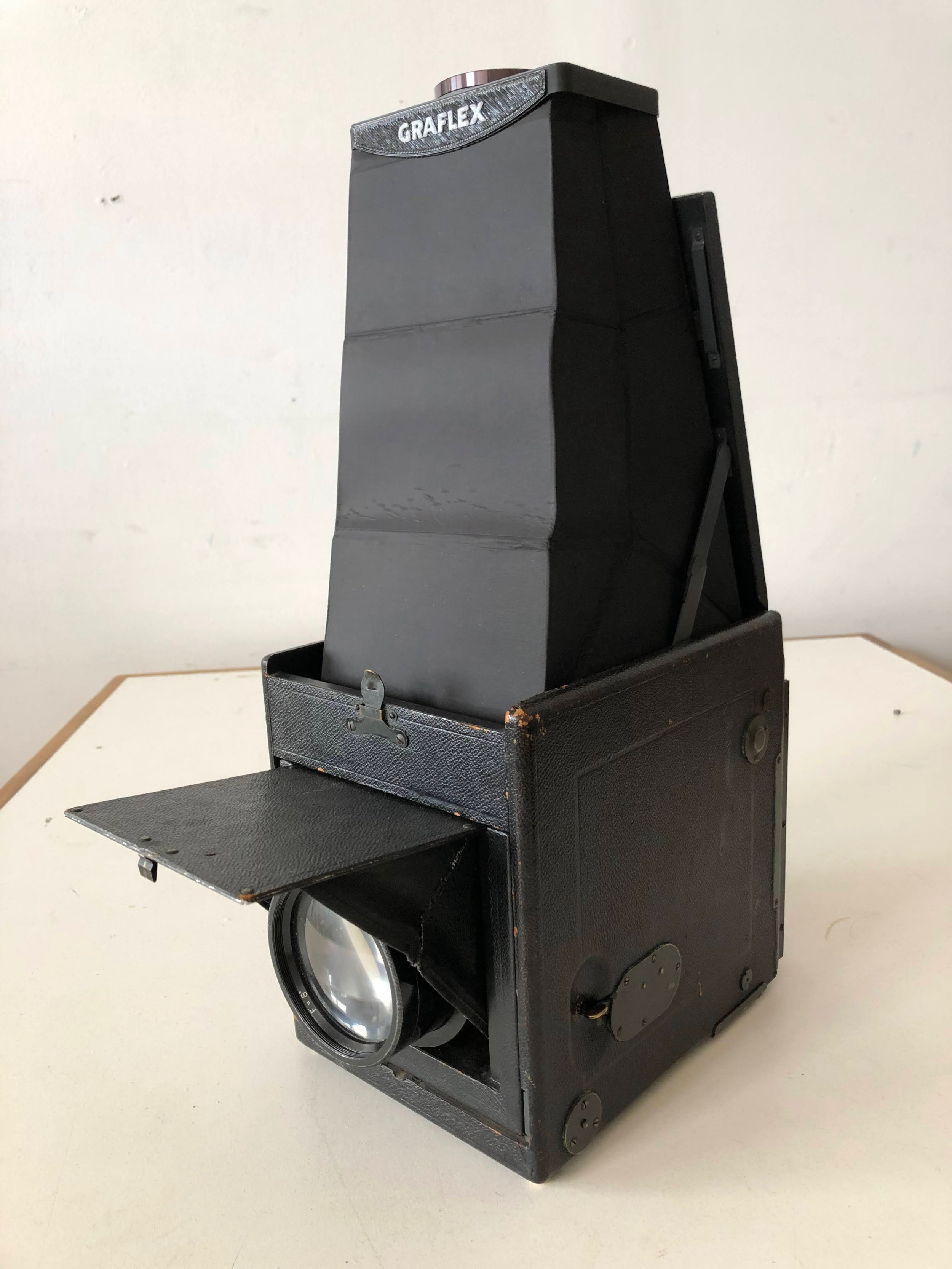
This one is listed for 4x5 cameras, but they make some other sizes on request. It works well, but it isn't a close match in terms of materials. You will have to transfer the metal parts from your existing hood.
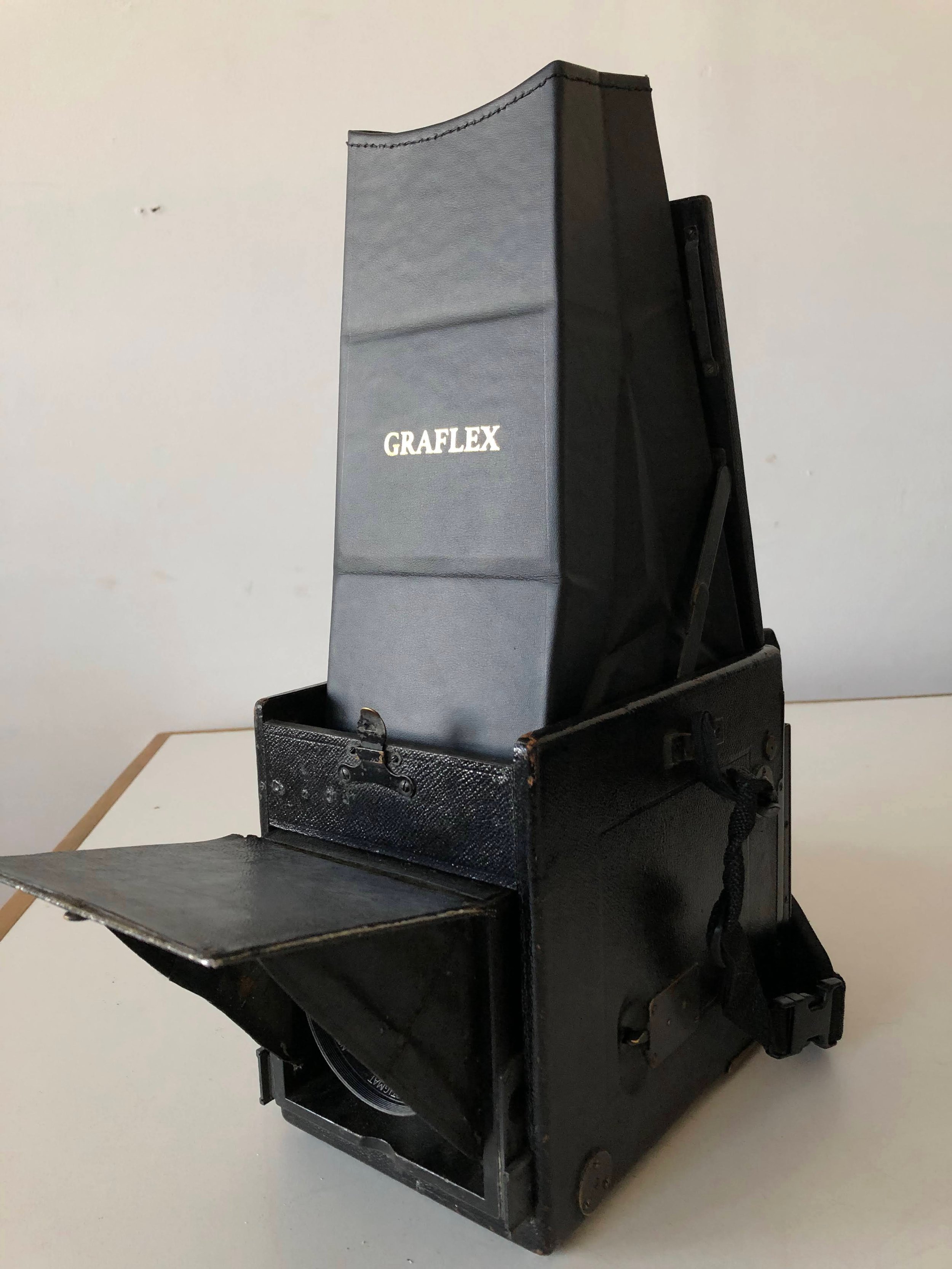
The next hood is one I have recently received and installed, and I am very impressed with the quality and the appearance. The eBay seller will make one to order for all Graflex models, as long as you can supply measurements. Here is mine, custom-made for my Series C 3x4. Like the first, you must transfer the metal parts from your old hood. It looks and works great, and what a pleasure to be able to see the full ground glass.
Looking to make a new shutter?
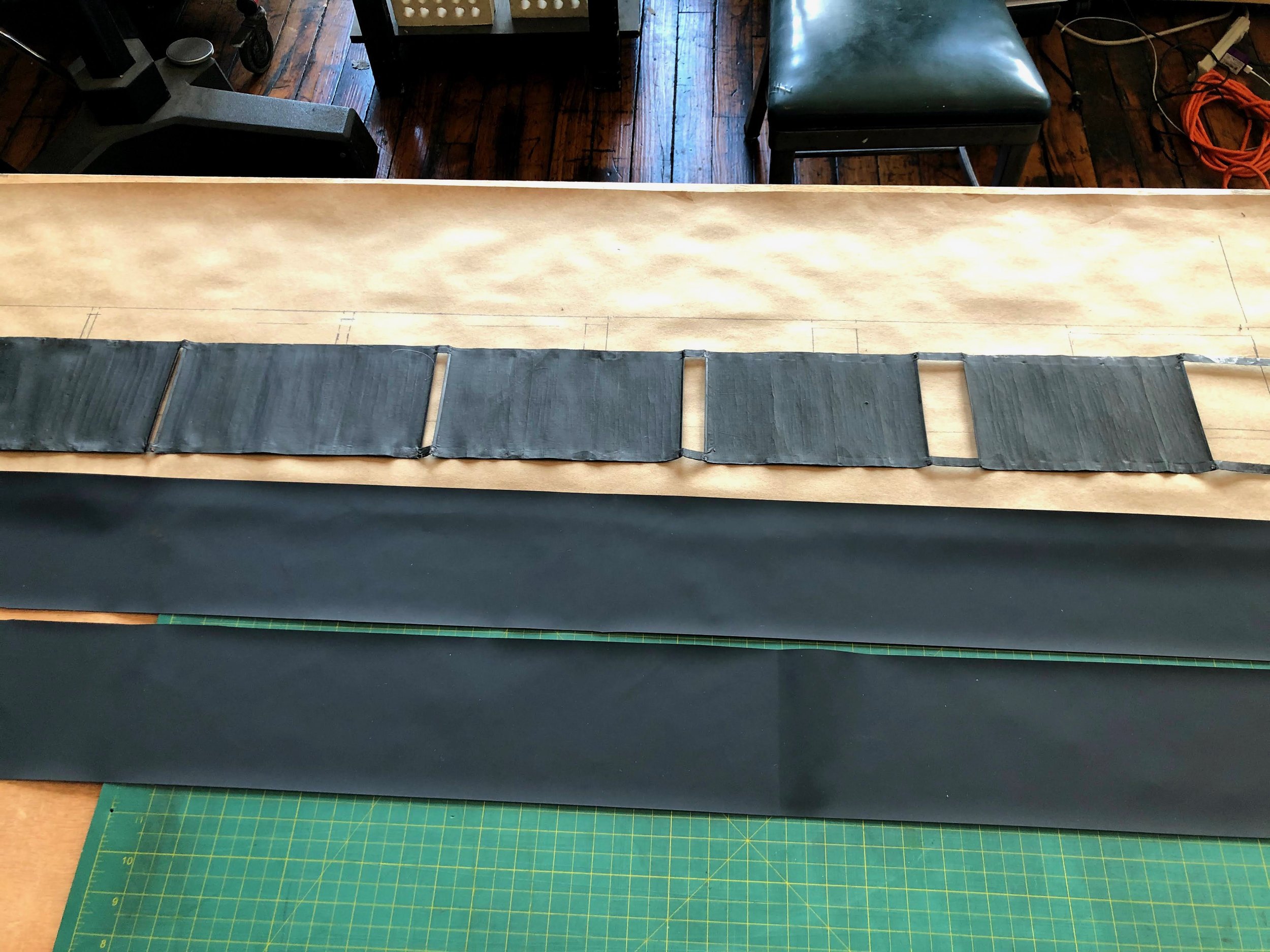
Aki-Asahi in Japan has the material; look for the rubber/nylon type at the bottom of the page.
I will share my own adventure making new shutter curtains in a future post. In the photo you can see the old and dried-out curtain I removed from an RB Auto and the new material from Aki-Ashai below it. It comes in a width wide enough to make two curtains, which is what I did, this shows the fabric just after I divided it in two.
Whether its a big repair or just a tune-up, it is satisfying to bring a 90-year-old camera back to life, I highly recommend it.


Here is a PDF of my shutter repair notes with the dimensions of the 3x4 curtain.
https://www.dropbox.com/s/cradbo5kzdzgmyw/Graflex%20repair%20notes.pdf?dl=0

Getting Better
self-improvement, photography style.

If you've been doing photography for a bit, you know that getting better doesn't happen automatically. Like anything worth doing, it takes practice. Getting your shutter count up there is just the beginning. You have to want to get better, which may sound obvious, like don't we all want to get better? Maybe, but what happens when it doesn't come easily, or we just feel stuck? Becoming self-critical in a useful way can be challenging, and perhaps you do photography to balance other things in your life that are not so fun. Definitely nothing wrong with just having fun, but maybe you can expand the fun stuff and improve on your own terms.
Here are a few things I do. Taking lots of photos is good practice, but don't forget the rest of the process. Develop (whatever that means to you), Edit, Share and Look. I try to look at all kinds of work, artworks I like, artworks I don't get, movies, everything. I look at photography, but not just photography, and not just what is happening on social media. I love seeing photography in physical forms: projected film, photo prints, and photobooks. I love books, and so I gravitate to them, to look at and to make.
It's hard to edit work if you don't know what it's about, and here's a thing that seems crazy, but just because you made a picture doesn't mean that you understand it. This is definitely something I've found to be so: All of the thoughts, feelings, memories that accompany each photo I make aren't actually available to the person viewing it when that person isn't me. What's more, viewers have their own thoughts, feelings, and memories that even I don't know. Wild.

So to help myself bridge that divide, I print stuff and keep it around me. If you are picturing a hoarder surrounded by stacks of old newspapers right now, I'm sorry. It isn't quite that bad yet. It's great to have stuff on hand, so you see it when you aren't necessarily thinking about it. You live with it, in other words, and in doing so, you move yourself a little closer to seeing it the way someone else might. Seeing a picture in the context of other pictures suggests connections, and for someone who likes to gather images into books, those connections can be catalyzing. I print single photos, and I print little books too. Happily, there are many tools available to make that relatively easy.
Digital forms have their place in this for me, too. Certainly for sharing, but as a further extension of my own self-review, I find it very useful. For example, I've added a new page to this site collecting a number of my photo walks, and in doing so, I've found some commonalities that I had missed. To that end, I'm presenting a less edited (or redacted) group that shows a bit of the exploration that goes on for me instead of making a single, final choice. Doing so gives me this fun little grid of this vine monster:

What a beast.
When all else fails, read a book. I'd love to hear about your own strategies. And if you're looking around this site and thinking, "it ain't working, chief,” you're not alone; I think that often myself. But that's what getting better is all about, right?
Five [+2] Sheets with Shanghai GP-3 - Shutdown 1 Edition
2020 is winding down, and good riddance. December is a good time to scrub the decks, wash our hands, and sweep out the old. With that in mind, I’m posting this piece from the first shut down. I’m now in our second shut down as we enter what we hope is the home stretch to saner leadership and the new normal, whatever that might be. I wish everyone health, happiness, and success in endeavors, both big and small.

My venerable Series C
It began as it often does with a camera. In this case, a 3x4 Graflex Series C. I will restrain myself from extolling its virtues but suffice it to say I love this camera, and while roll-film backs are handy, I desired to use it in all its 3x4 fullness. Ilford makes film this size (3 1/4 x 4 1/4) in their annual special run, but the price was a bit beyond my budget. I wasn't quite ready to go down the road of cutting down 4x5. As of yet, more on that later. On Facebook, I came across a Hong Kong dealer who offered Shanghai film in several unconventional formats, so I contacted them about the 3x4. Yes, they have it, and as the price was excellent, I impulsively ordered 600 sheets.

3x4 Bag Mag + GP3
On to testing: The film doesn't come with much data, but no matter. I planned to use my go-to developer, Pyrocat HD. I loaded up a few sheets, exposed them at EI 100, and developed them in Pyrocat 1:1:50 at 9 minutes at 20º C. Not bad, but pretty contrasty, and the shadows were thin. On the next round, I went with EI 80, developed for 8 minutes. Much better but still rather contrasty. If you like high contrast, this film will certainly get you there. One more round at EI 64, developed for 7 minutes. It looked good, contact printed well, so there it is.
When the pandemic hit, I had the opportunity to photograph just for myself, albeit close to home, and I found that to be a centering experience. I engaged with scenes near home and focused the tumult of anxious emotions into something tangible, a welcome respite. Also welcome, the "something tangible" was having the opportunity to make prints from these 3x4 negatives and to get a better feel for this film. These photographs are all 7x9 inch prints on Oriental Seagull FB paper. My conclusion is that GP-3 is quite lovely, with fine grain and the capability to render a full tonal range.
One final note on this film, just before our shutdown, I had a test shoot with some friends in the daylit studio as a trial for a portrait shoot that was not meant to be. With an EI of 64 and lenses ranging from f4.5 to f2.9, my shutter speeds fell on the dangerously slow side. So now I've invested in a guillotine-style cutter to chop down faster emulsions for the next studio round. Cameras lead you down many unexpected paths.

my new photozine hot off the presses: the swale
My newest has landed, a manga size zine entitled the swale. Really excited to have these and to get them out there. Check it out.


Testing the latent image capability of Ilford Pan-F+

The set up, on a beautiful May day on the other side of time. May, 11, 2019
It's no secret that I'm a big fan of Ilford's Pan-F+ film. Last year I decided to answer for myself the one question that seems to dog this emulsion: is it critical that you develop it soon after exposure? In other words, will the latent image deteriorate if you don't get it processed quickly? Many people seem to believe so; it's a piece of advice you frequently hear when Pan-F is mentioned. I admit to saying so myself.
Indeed, This is what Ilford says: "Important Note: Once exposed, process PAN F Plus as soon as practical – we recommend within 3 months." Compare that to what they say in the FP-4 datasheet: "Once exposed, process FP4 Plus as soon as practical." So people give this advice, but based on what data? I'm sure Ilford has the numbers, but short of that, what does it mean for me? Are three months truly safe? What does one month look like, or six months? One way to find out: test it.
Methodology
I exposed a fresh, factory-loaded 36 exposure roll of 35mm Pan-F to the same scene at the same exposure. I then snipped a few frames and developed that film the same day. I put the remaining film in a secure location, on my darkroom shelf, keeping real-world conditions. I did another snip test two weeks later, and then at the one month, six weeks, two months, four months, eight months, and finally one-year intervals. You can see by the specific dates my breaks were not perfect. It's not always possible to get to the darkroom when one desires, but I kept it close enough.

The exposure.

TTV

Backed up by my trusty spot meter, I placed the grey siding on Zone VI.
The developer was Rodinal, developed at my standard dilution and time of 1:100 for 10 minutes at 70º F. That has been my go-to combo since my school days. I have some thoughts about that in the context of these tests that I will share further down. I measured the same five areas from each batch of negatives on a densitometer and recorded the data. I also printed a selection of negatives on Ilford Multigrade RC.
Data
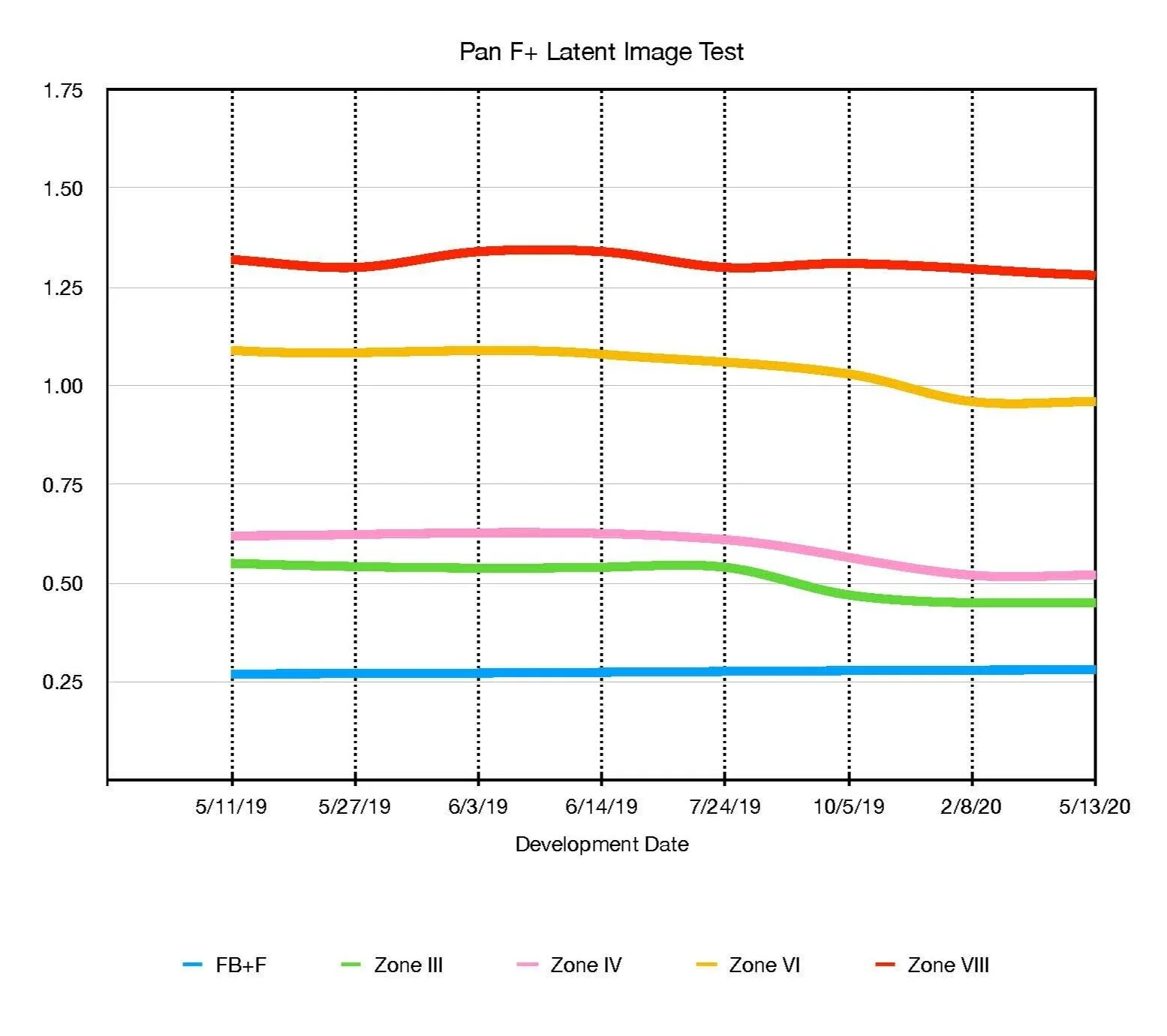

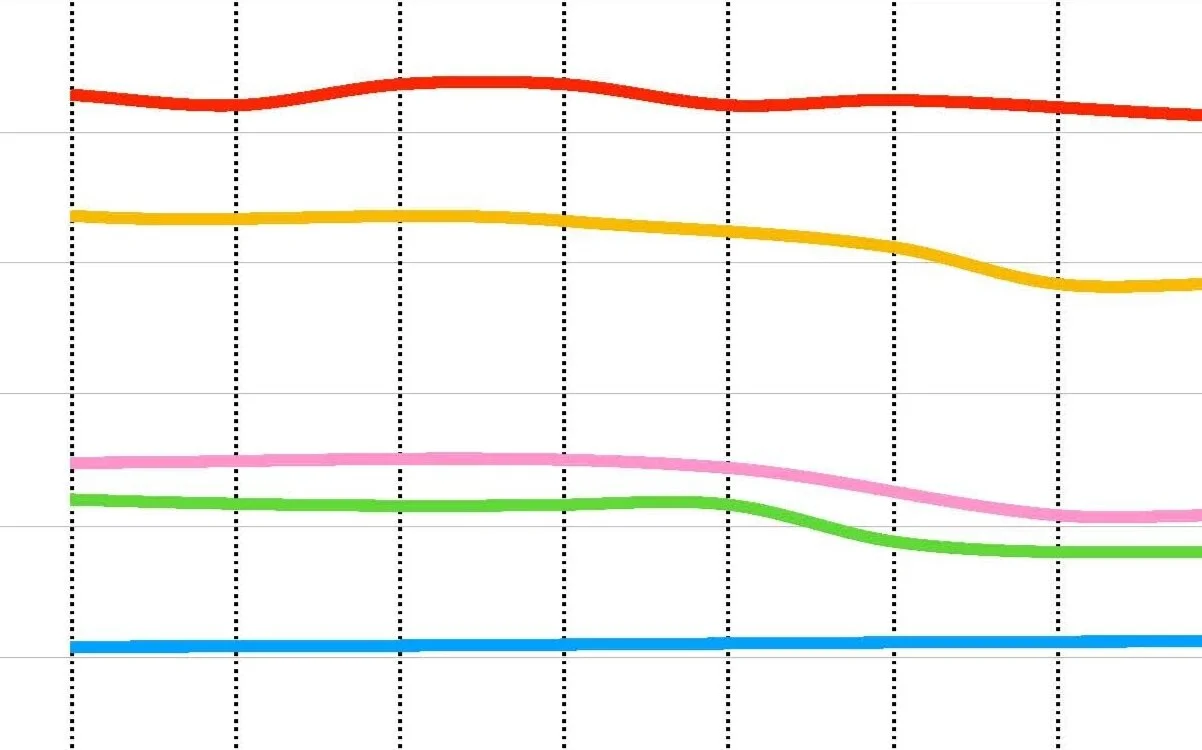
The bottom line in blue is the film base density plus fog. Over the year, it stayed consistent, with a slight lift over the final months. This lift may reflect some age-related fog, but it's very minimal. The green bar represents a zone III shadow density; note how it starts to dip at about the ten-week mark. The magenta bar shows a zone IV density; it too displays a dip at the ten-week point. The orange bar represents a zone VI density. It shows a more gradual dip. The top bar in red is a highlight density in the zone VIII range. It stays stable. Highlight densities are a good indication of development consistency. If this varied, I would blame it on some error in time, temperature, or dilution.
Conclusions
I think what I found lines up pretty well with Ilford's recommendation. There is a measurable difference in shadow area density at about three months, almost equal to a one f-stop change in the low values. So, How critical is all of this? Is latent image degradation the cause? If your roll of Pan-F fell to the bottom of your bag and you've just discovered it after a year, should you throw it away? Should you wail in despair at ever pulling decent prints from your negatives? Please don't do any of that. In the end, what matters is how the photo or scan looks to you. I printed a selection from my test negatives, and I can barely detect a difference between the prints made from negatives developed one year apart. Indeed, when I first reviewed the negatives before taking density readings, I thought they looked nearly identical, and all quite printable.

Start

6 months

9 months

12 months

A brief sidebar
This shift of density in the low values is very much like what happens when you push film. There, you deliberately underexpose and develop the film for longer than the "normal" time. These shifts expand the tonal separation in the mid to high values and compress the shadow areas, increasing the overall contrast, among other things. Many people, 35mm shooters, in particular, prefer this more graphic look. In many images, the content is carried in the mid and high values, while the shadows define shapes and texture. The simplification of tone from a "push" can be quite desirable, suppressing distracting detail and directing attention to the picture's key elements or subject. Yeah, yeah, so why say all of this? These are subjective decisions, but you may find that your sad, aged film isn't so bad after all and that actually, you prefer how it looks.
Back to the question at hand, is latent image degradation the cause? Quite possibly, but other factors could be at work here. My choice of a highly dilute developer may not have been the best one. That bottle of Rodinal has aged one year as well. It's keeping properties may be the stuff of legend, but it doesn't last forever. At such high a dilution, any change in developer activity could have an adverse effect where you need it most, in the shadow areas. So here is a developer takeaway: If you have a roll that has waited patiently for three months or more, choose a developer more suited to holding shadow detail, a developer like Ilford DD-X would be a great choice.
One last takeaway: Shoot Pan-F, it's great. Develop it when you can, but don't stress yourself. You may find yourself pleasantly surprised.
If you do a similar test yourself, I'd love to see your results.
Visit the Virtual Unbound 2020 Art Book Fair!

This Saturday April 11 was to be the annual RISD Unbound Art Book Fair but you know what has intervened. I was very much looking forward to participating (would’ve been my first time as an exhibitor) but we are RISD and we are flexible so the Unbound team has created a virtual marketplace that will open tomorrow instead.
Please stop by and check it out, support artists with a purchase if you can, friendly words are always appreciated and especially now. Unbound.risd.edu
In honor of this I have lots of new things for sale in my bookstore and starting tomorrow if use the code “unbound” at checkout you will get a special discount.
Come by and say hello! Follow #risdunbound2020 on the socials.
Be safe.
Night and Day at the Museum

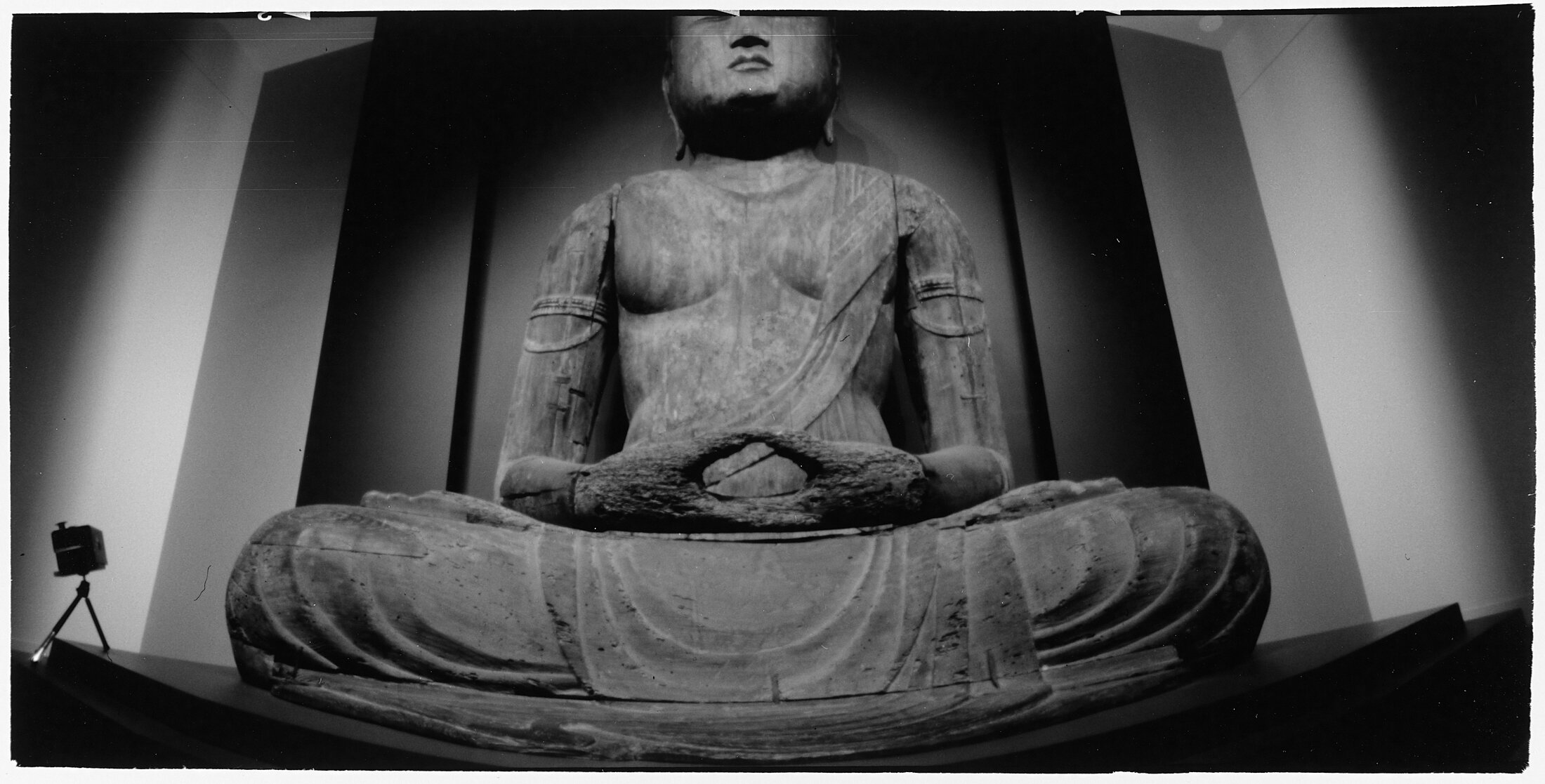
Buddha Mahavairocana (Dainichi Nyorai); photo made with the Kurt Mottweiler pinoramic 120 camera.
On the impossibly far away evening of March 3rd, I was in the RISD Museum to photograph some exhibitions after hours. As I worked in another gallery, I took the opportunity to set up a pair of simple pinhole cameras in front of one of my favorite objects, the statue of Buddha.

Buddha Mahavairocana (Dainichi Nyorai); photo made with Peter Olpe designed cardboard pinhole camera.

Buddha Mahavairocana (Dainichi Nyorai) photo made with the Kurt Mottweiler pinoramic 120 camera
The next day I finished each roll with some pictures of some other favorite objects, the two Roman sarcophagi. The truth is every object in the museum is a favorite of mine, and I miss seeing them and being there terribly, as I'm sure many of you do. When I consider such objects as these, especially when I'm looking through the little time tunnel that is my camera's viewfinder, and maybe especially when the world is in the grip of a pandemic and life has been upended, I think of all that these objects have witnessed. Even just in their time in the museum: depression, wars, changes large and small, they have endured. Going back to their creation, they have survived wars and fire and dismemberment, and with the help of people who care for them, they survive. I think we shall too.
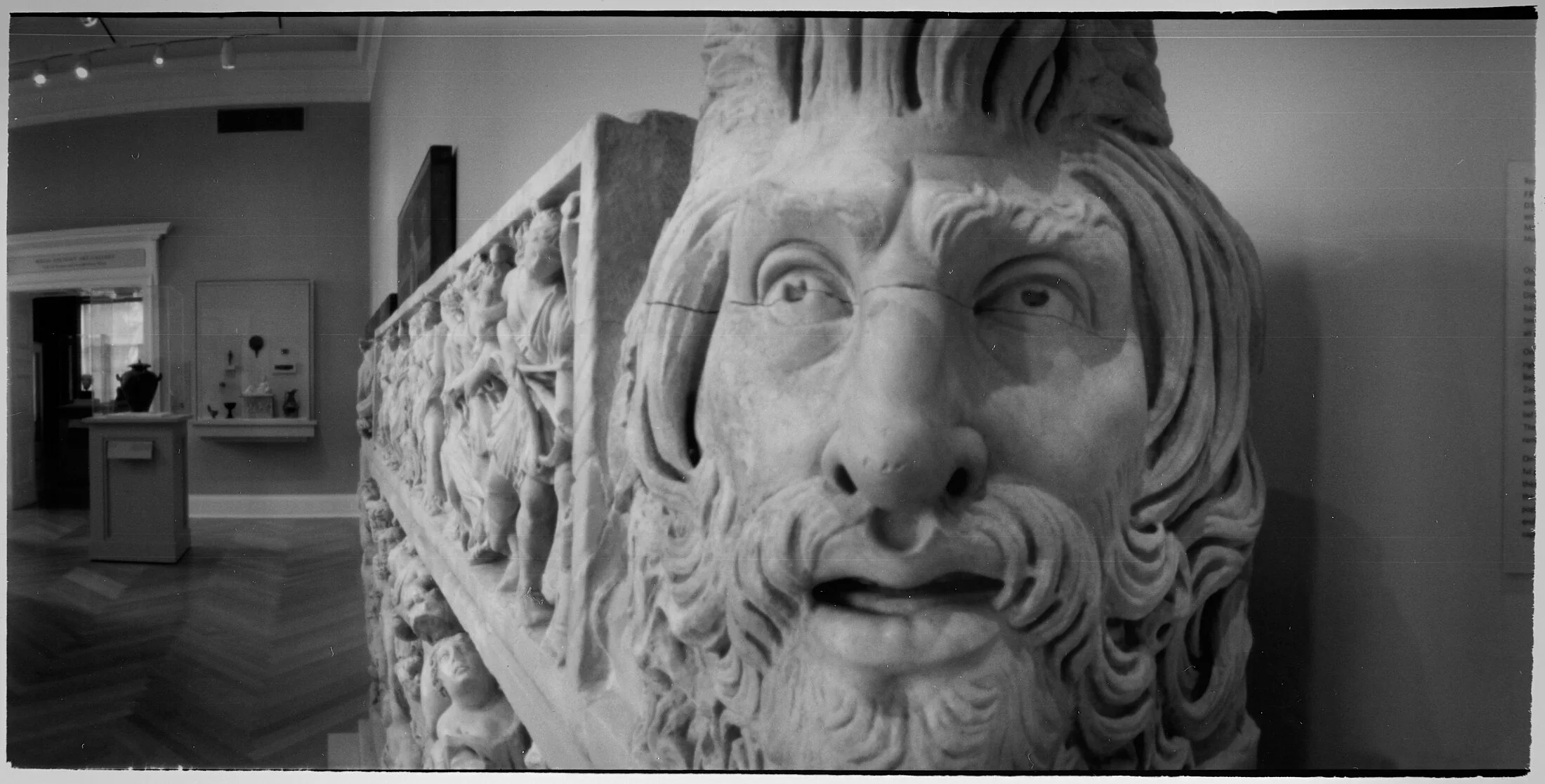
Roman Sarcophagus; 21.076; photo made with the Kurt Mottweiler pinoramic 120 camera
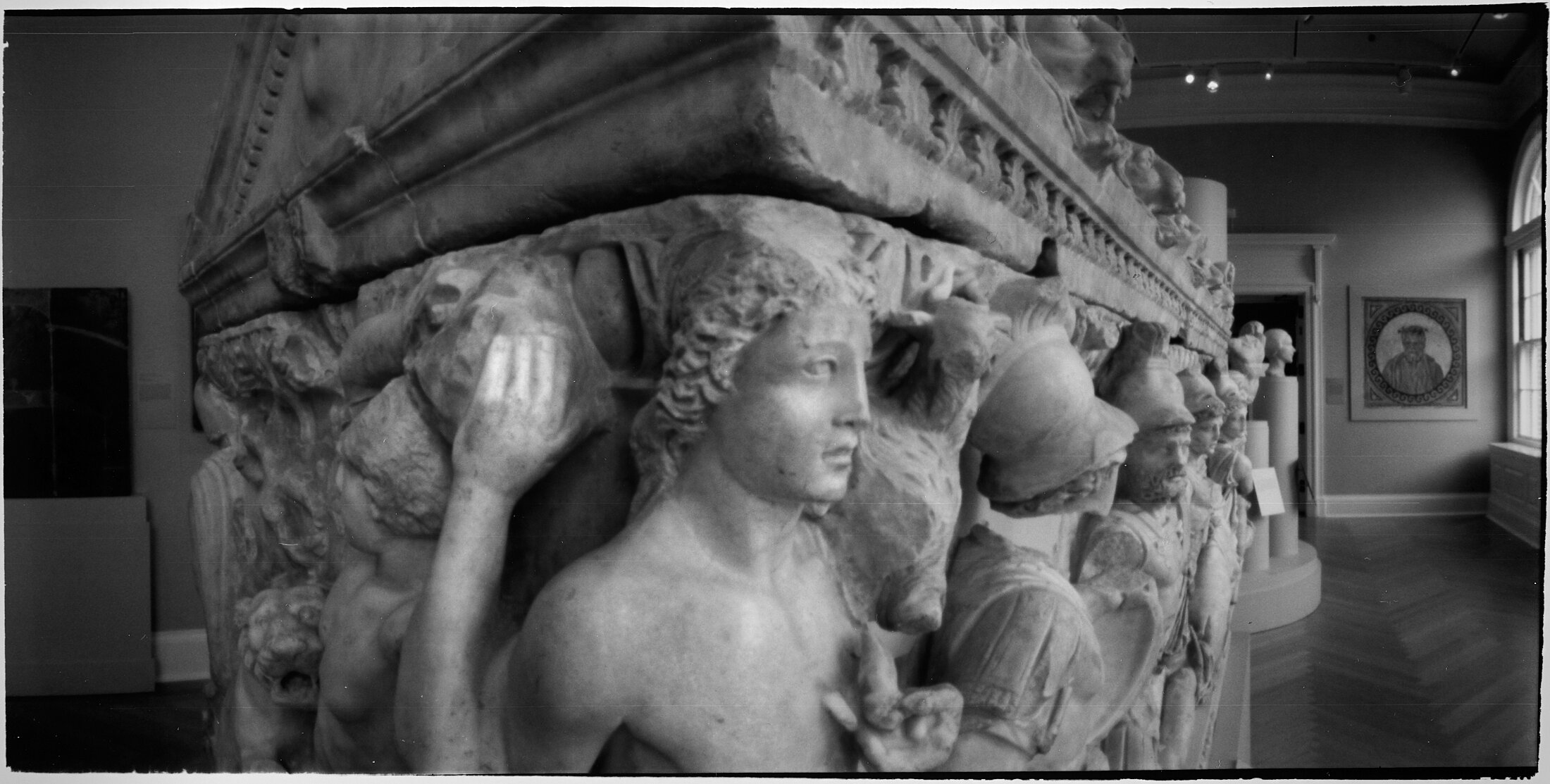
Roman Sarcophagus; 21.074; photo made with the Kurt Mottweiler pinoramic 120 camera
Information about these objects:
Buddha Mahavairocana (Dainichi Nyorai) with the accession number of 36.015
Sarcophagus (coffin) with the accession number of 21.074.
Fragmentary sarcophagus front and lid depicting The Slaughter of the Niobids with the accession number of 21.076
iolabs featured artist interview
This was fun! I was interviewed by the great people at iolabs for their featured artist series. You can read it here: https://www.iolabsinc.com/news/2019/10/9/artist-feature-erik-gould

Chaika and me

I wrote something about Orwo 74+ film in a Chaika half frame camera for Emulsive and for some reason they published it. Enjoy!
Cameras for sale
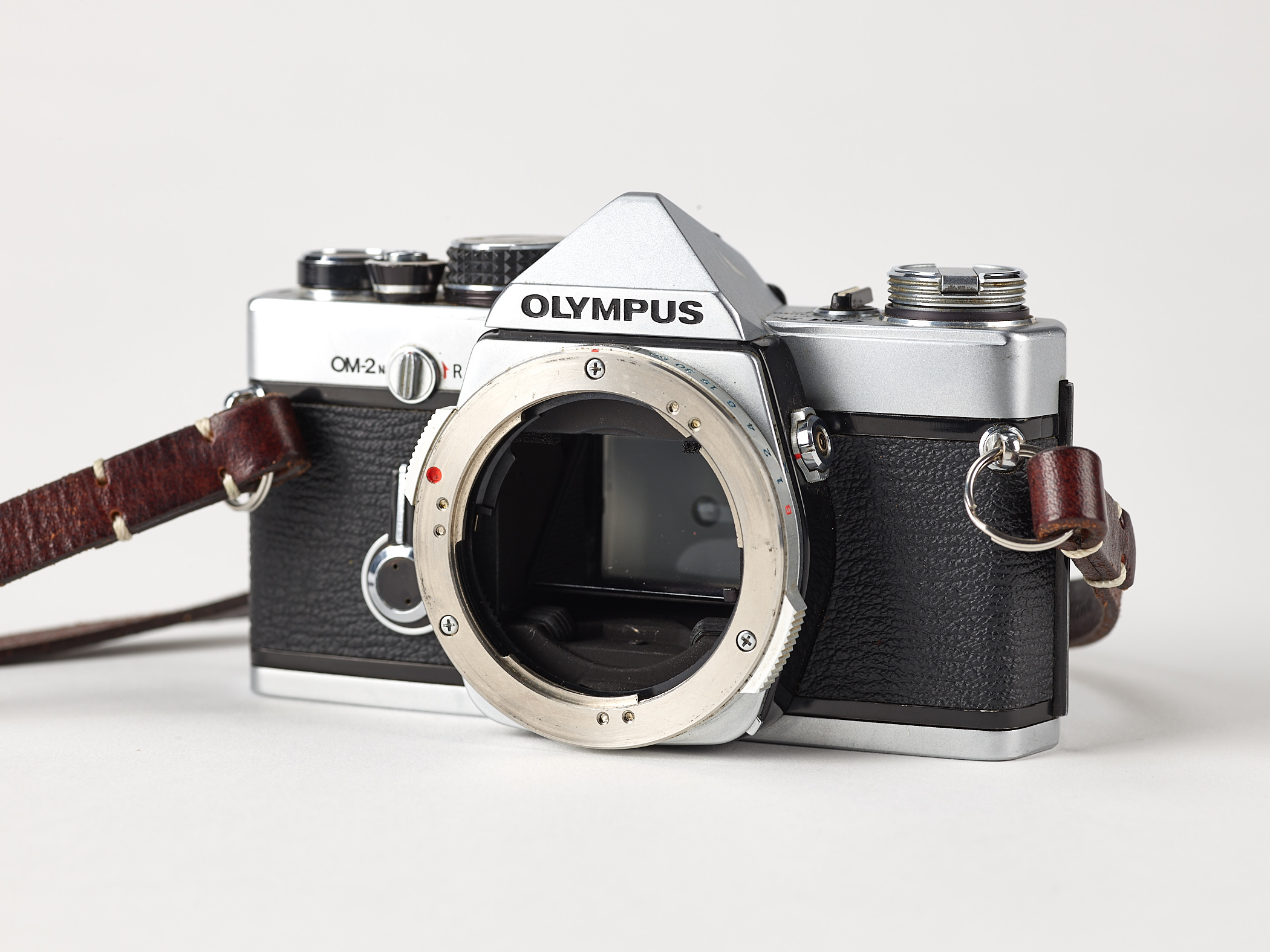
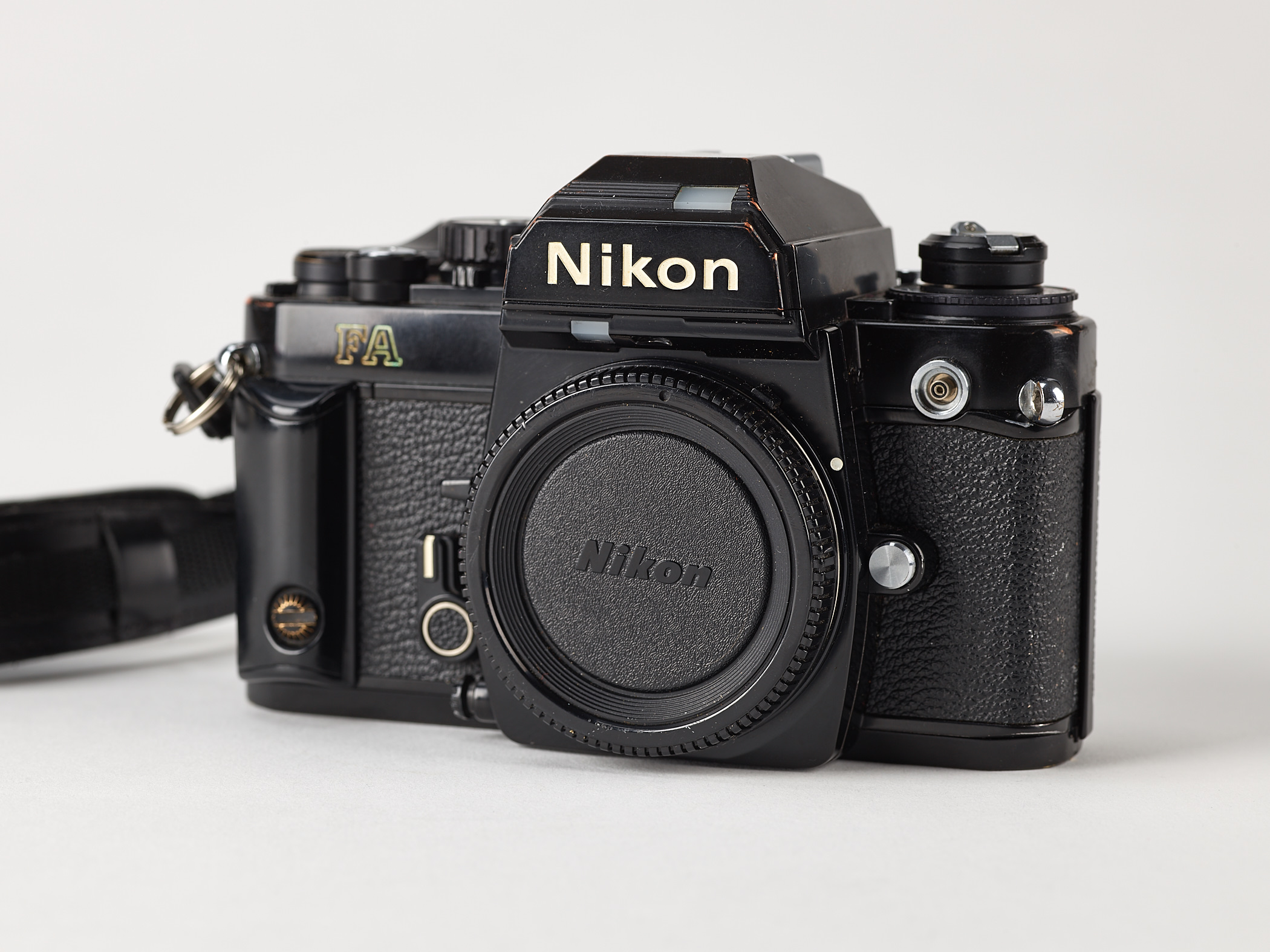
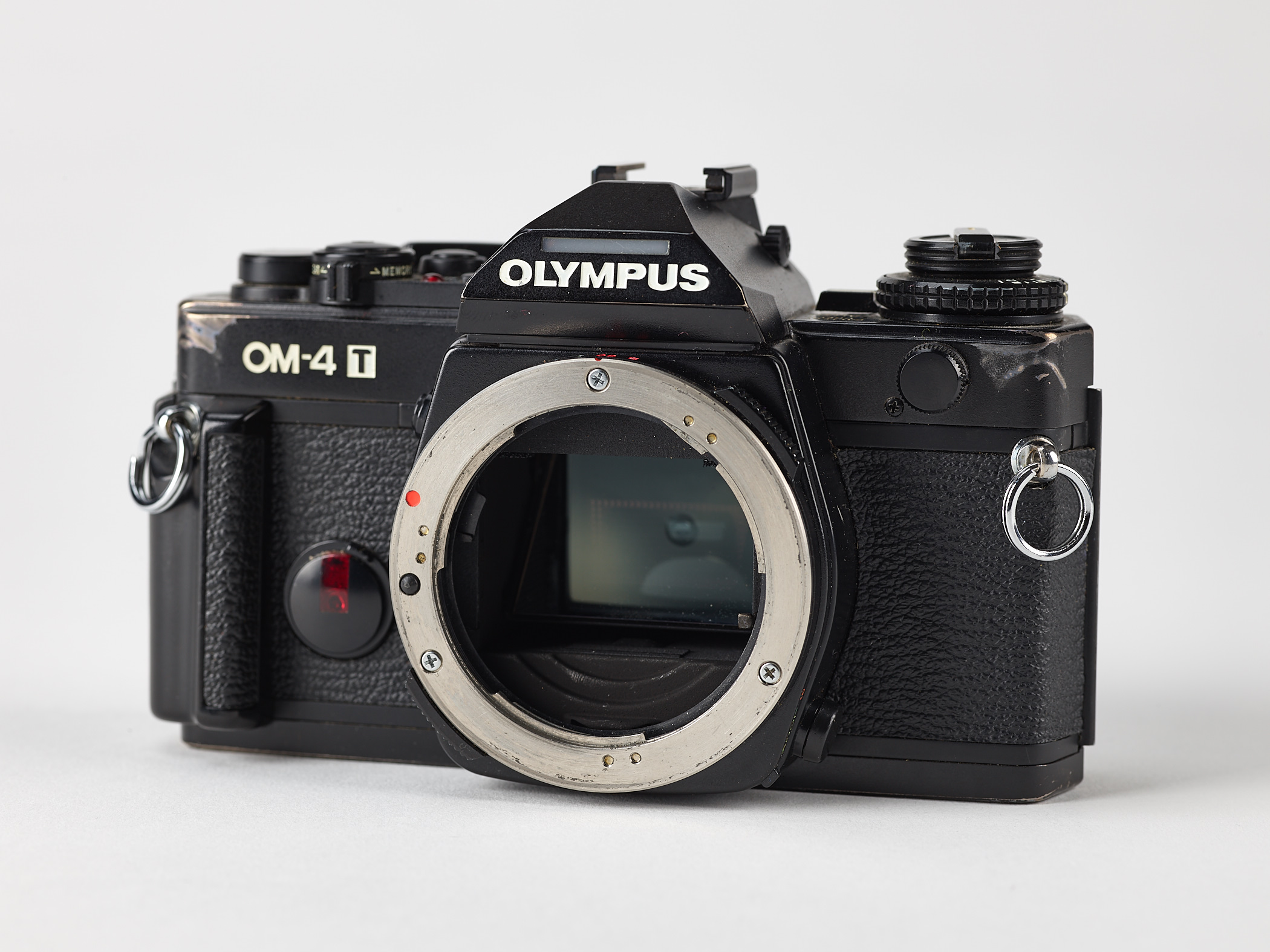
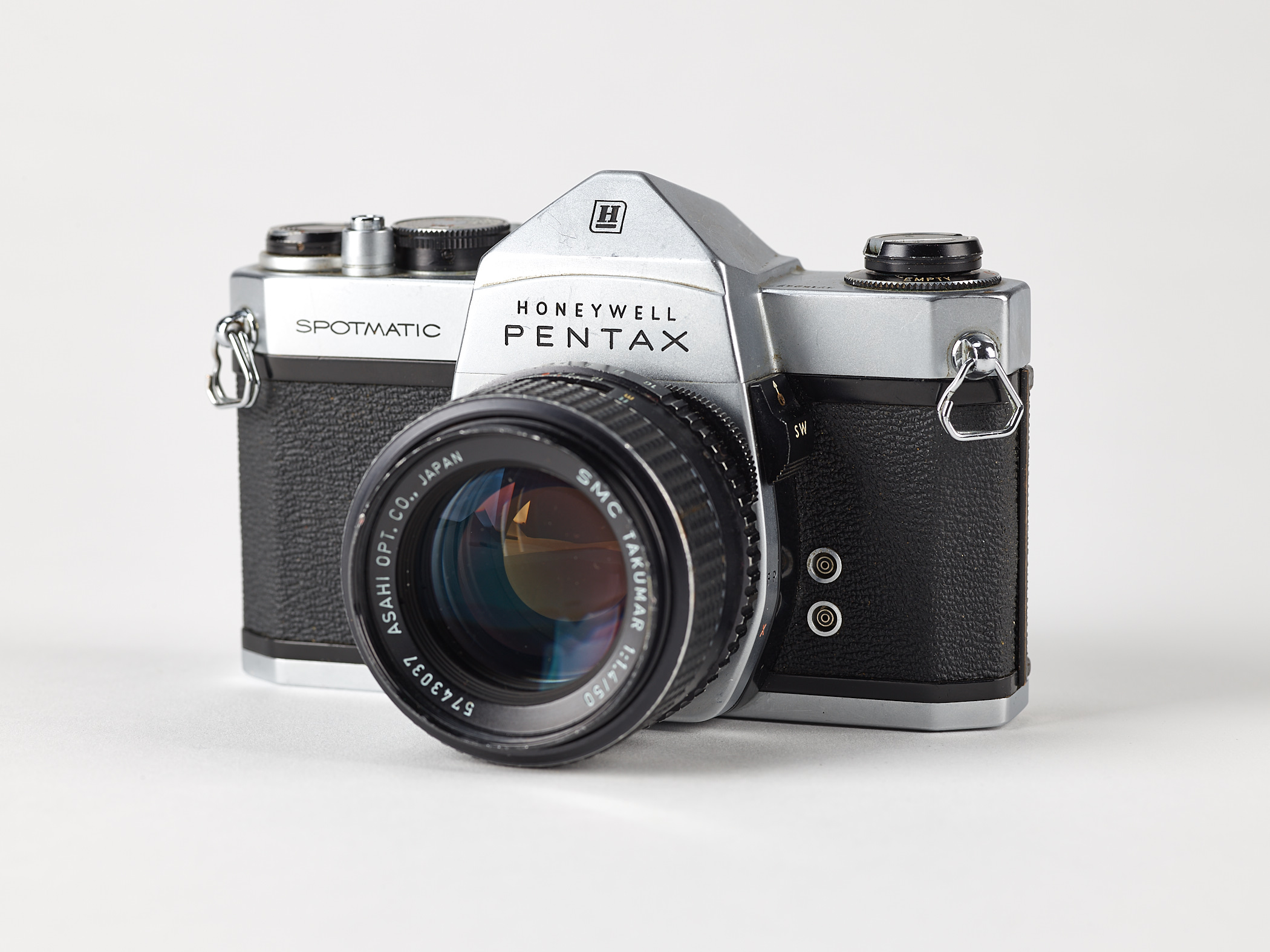
I have a number of 35mm film cameras for sale right now, all good users looking for a good home. It’s time to thin the herd. Check them out here.