Cold Coffee
never breaking news.
Come see us at RISD Unbound 2022
Unbound, RISD’s art book fair is back and after 2 virtual years it will be a live event!


Saturday, April 9 from 11-5 at the Fleet Library at RISD in downtown Providence, RI
I will have books, zines and prints for sale, please come on by and say hello.
Visit the Virtual Unbound 2020 Art Book Fair!

This Saturday April 11 was to be the annual RISD Unbound Art Book Fair but you know what has intervened. I was very much looking forward to participating (would’ve been my first time as an exhibitor) but we are RISD and we are flexible so the Unbound team has created a virtual marketplace that will open tomorrow instead.
Please stop by and check it out, support artists with a purchase if you can, friendly words are always appreciated and especially now. Unbound.risd.edu
In honor of this I have lots of new things for sale in my bookstore and starting tomorrow if use the code “unbound” at checkout you will get a special discount.
Come by and say hello! Follow #risdunbound2020 on the socials.
Be safe.
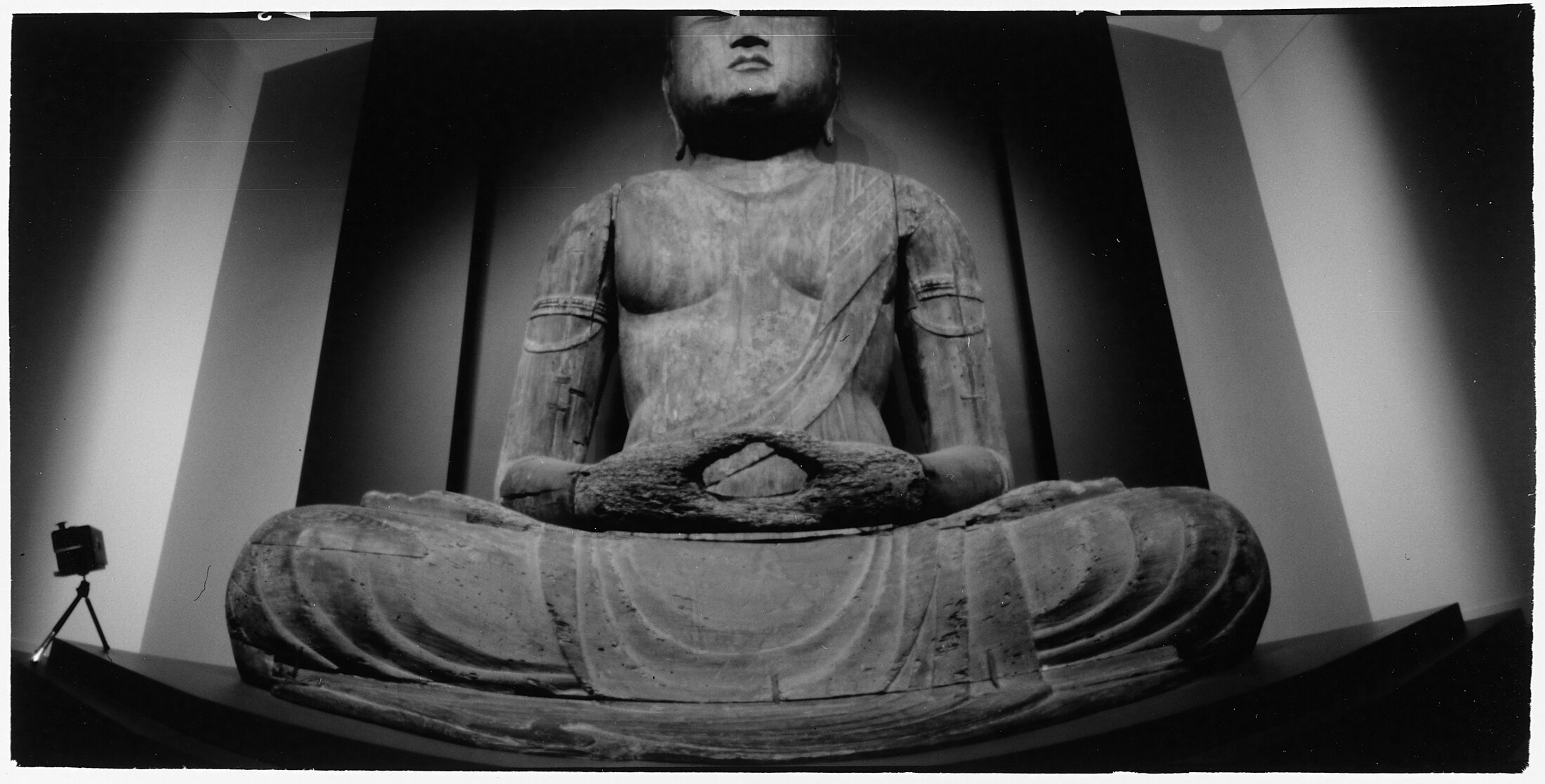
Night and Day at the Museum

Buddha Mahavairocana (Dainichi Nyorai); photo made with the Kurt Mottweiler pinoramic 120 camera.
On the impossibly far away evening of March 3rd, I was in the RISD Museum to photograph some exhibitions after hours. As I worked in another gallery, I took the opportunity to set up a pair of simple pinhole cameras in front of one of my favorite objects, the statue of Buddha.

Buddha Mahavairocana (Dainichi Nyorai); photo made with Peter Olpe designed cardboard pinhole camera.

Buddha Mahavairocana (Dainichi Nyorai) photo made with the Kurt Mottweiler pinoramic 120 camera
The next day I finished each roll with some pictures of some other favorite objects, the two Roman sarcophagi. The truth is every object in the museum is a favorite of mine, and I miss seeing them and being there terribly, as I'm sure many of you do. When I consider such objects as these, especially when I'm looking through the little time tunnel that is my camera's viewfinder, and maybe especially when the world is in the grip of a pandemic and life has been upended, I think of all that these objects have witnessed. Even just in their time in the museum: depression, wars, changes large and small, they have endured. Going back to their creation, they have survived wars and fire and dismemberment, and with the help of people who care for them, they survive. I think we shall too.
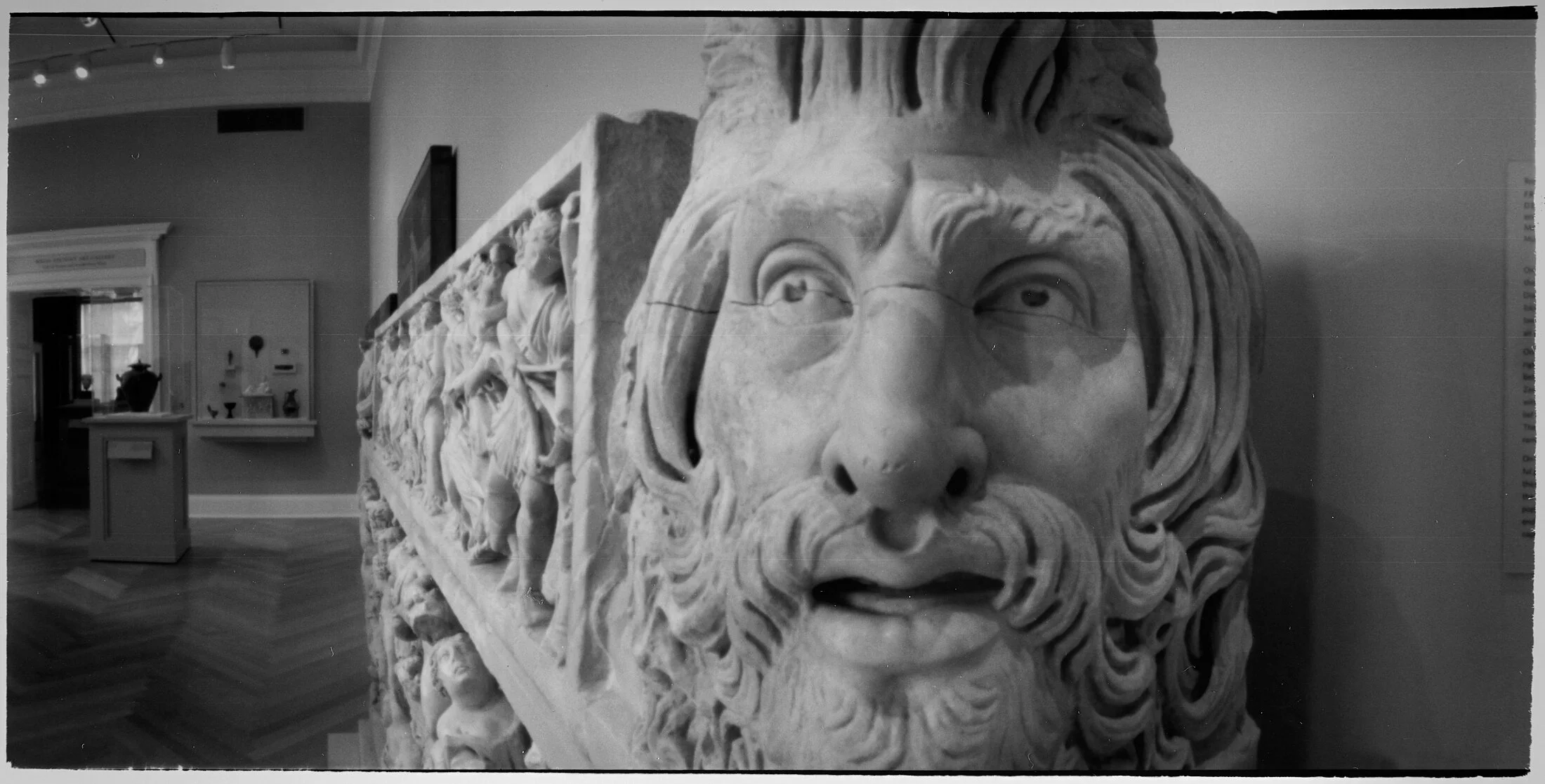
Roman Sarcophagus; 21.076; photo made with the Kurt Mottweiler pinoramic 120 camera
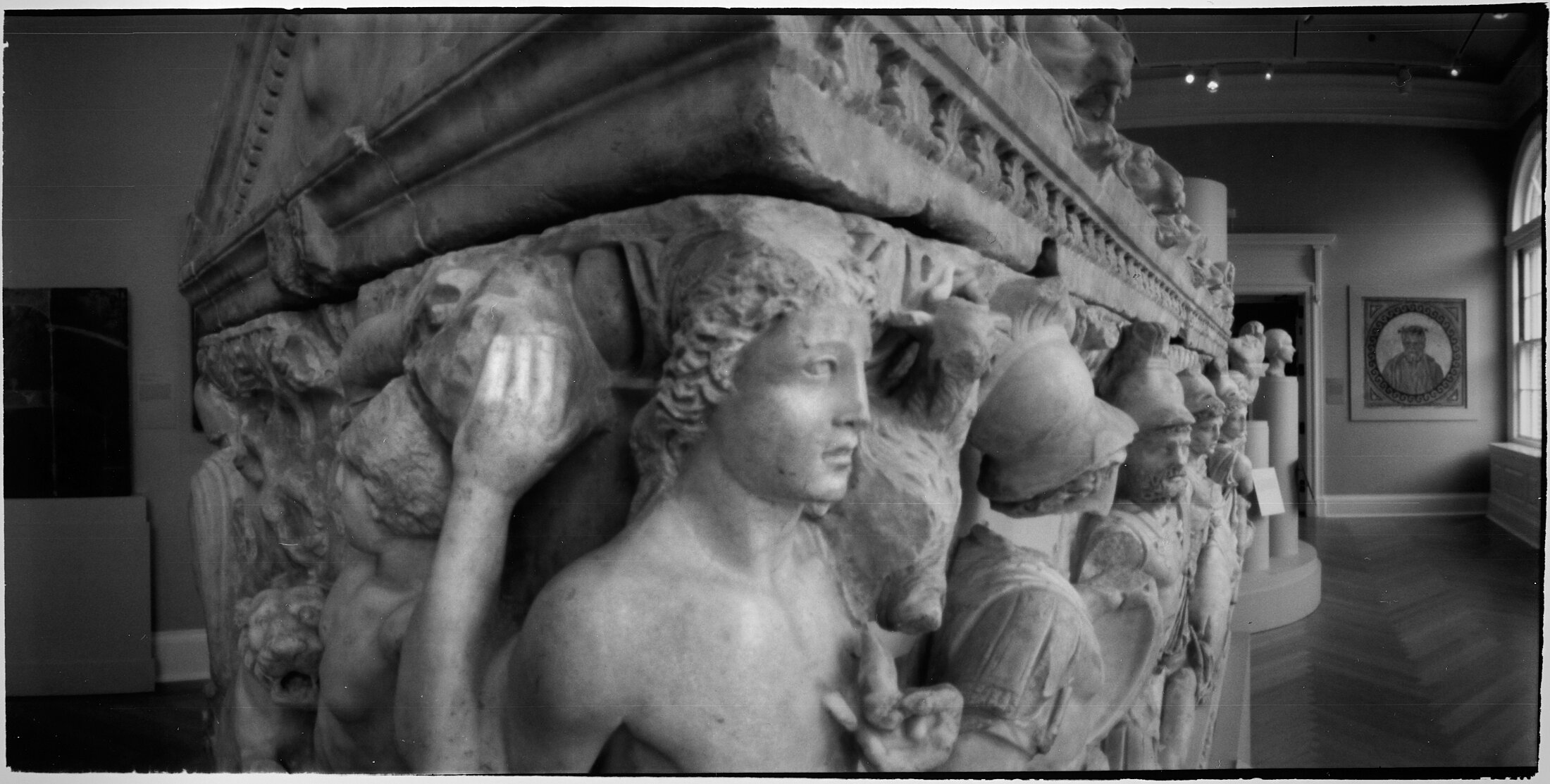
Roman Sarcophagus; 21.074; photo made with the Kurt Mottweiler pinoramic 120 camera
Information about these objects:
Buddha Mahavairocana (Dainichi Nyorai) with the accession number of 36.015
Sarcophagus (coffin) with the accession number of 21.074.
Fragmentary sarcophagus front and lid depicting The Slaughter of the Niobids with the accession number of 21.076
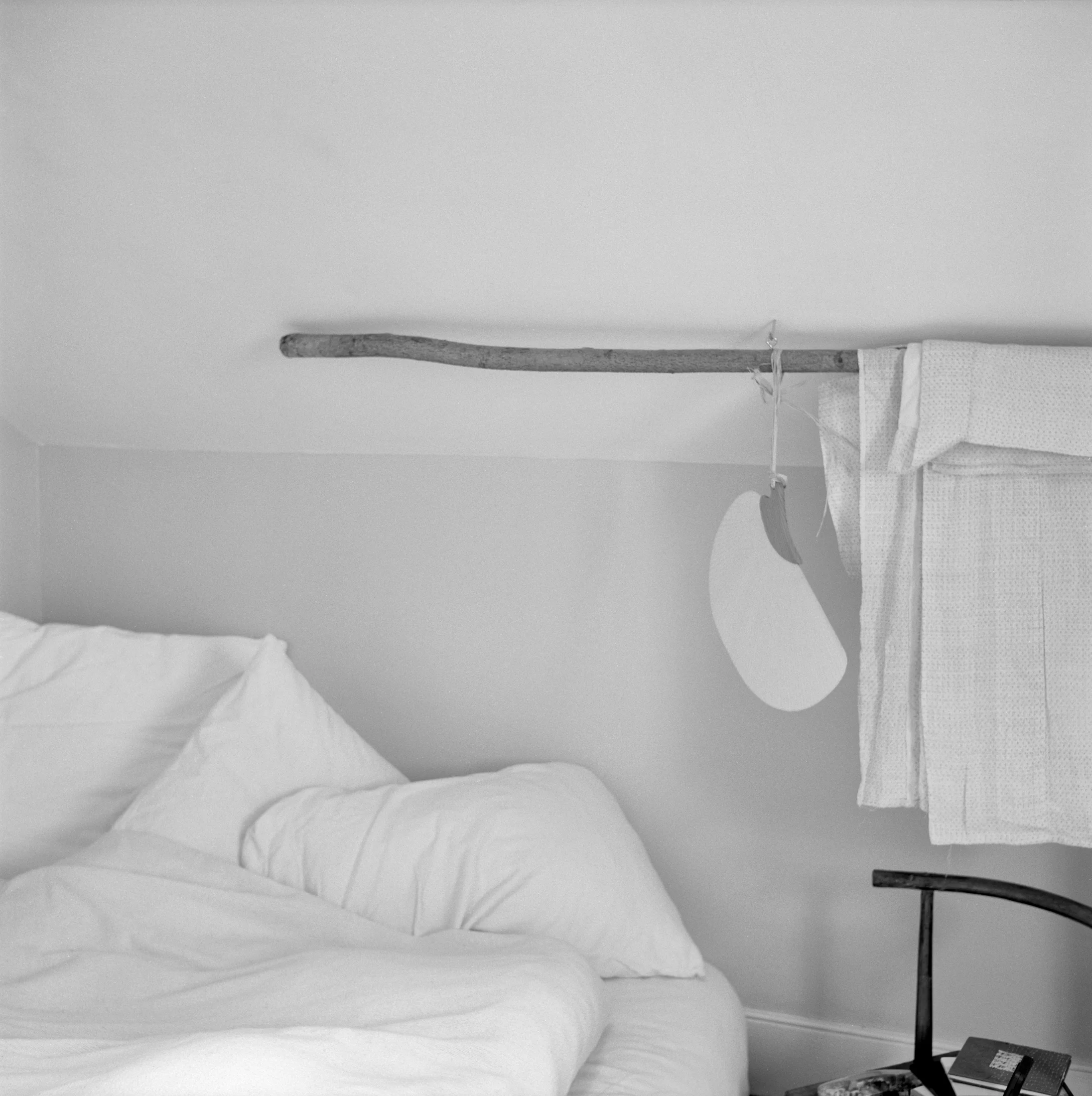
In Memorium: Jan Baker

Friend and RISD colleague Jan Baker passed away on April 28. I first met Jan in 1995 on an assignment for Quix magazine to photograph the interior of her Benefit Street home. She graciously let me wander at my own pace through her beautiful, art filled home. Her home was not only filled with art, it was itself a work of art. Jan’s sense of art and design seemed to be expressed in every corner of the house. This was, as I would soon learn was just how Jan lived her life, imbuing balance and beauty into everything she touched, a thoroughly artful lifestyle. Although our paths only crossed infrequently, Jan always greeted me like an old dear friend. Jan, your warm smile will be missed.
https://www.dignitymemorial.com/obituaries/providence-ri/jan-baker-7836638


The ruin within
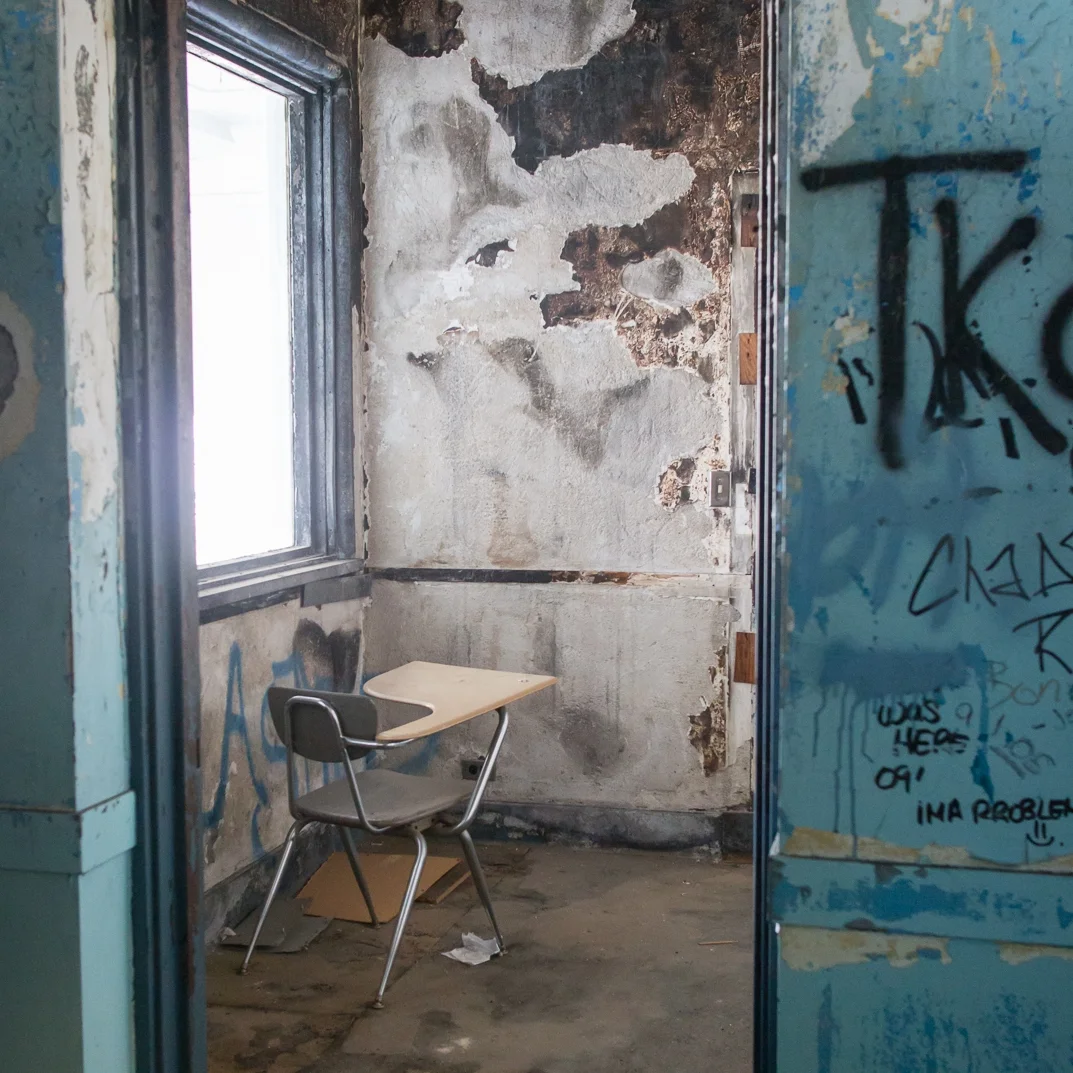
A look at the unused spaces within Hope High School.

Hope High, rear elevation, 2016


In 2015 I was given a quick tour of some spaces within the Hope High School building on Hope Street in Providence. Hope High was built during the Great Depression, opening in 1936. As built it had 60 classrooms for 2200 students. It also featured gymnasiums, shops and performing arts facilities.
Today it serves 1450 students and has had to adapt to changes in class size and to the educational priorities of the 21st century. Classrooms have been renovated, the large cupola has had restoration work and the athletic fields have been updated.
Of particular interest to me were the areas of the school that have not undergone renovation and are not currently in use. These spaces, largely in the performing arts wing are off limits to students, at least in theory.
The building once offered several entrances, focused on different activities (a Theatre door, a sports door) in addition to the large main entrance. Today the building is far less welcoming, with the only entrance being the main entrance with a single entry point and a security station.


What's underneath
East Portal in 1998
A walk through the East Side railroad tunnel
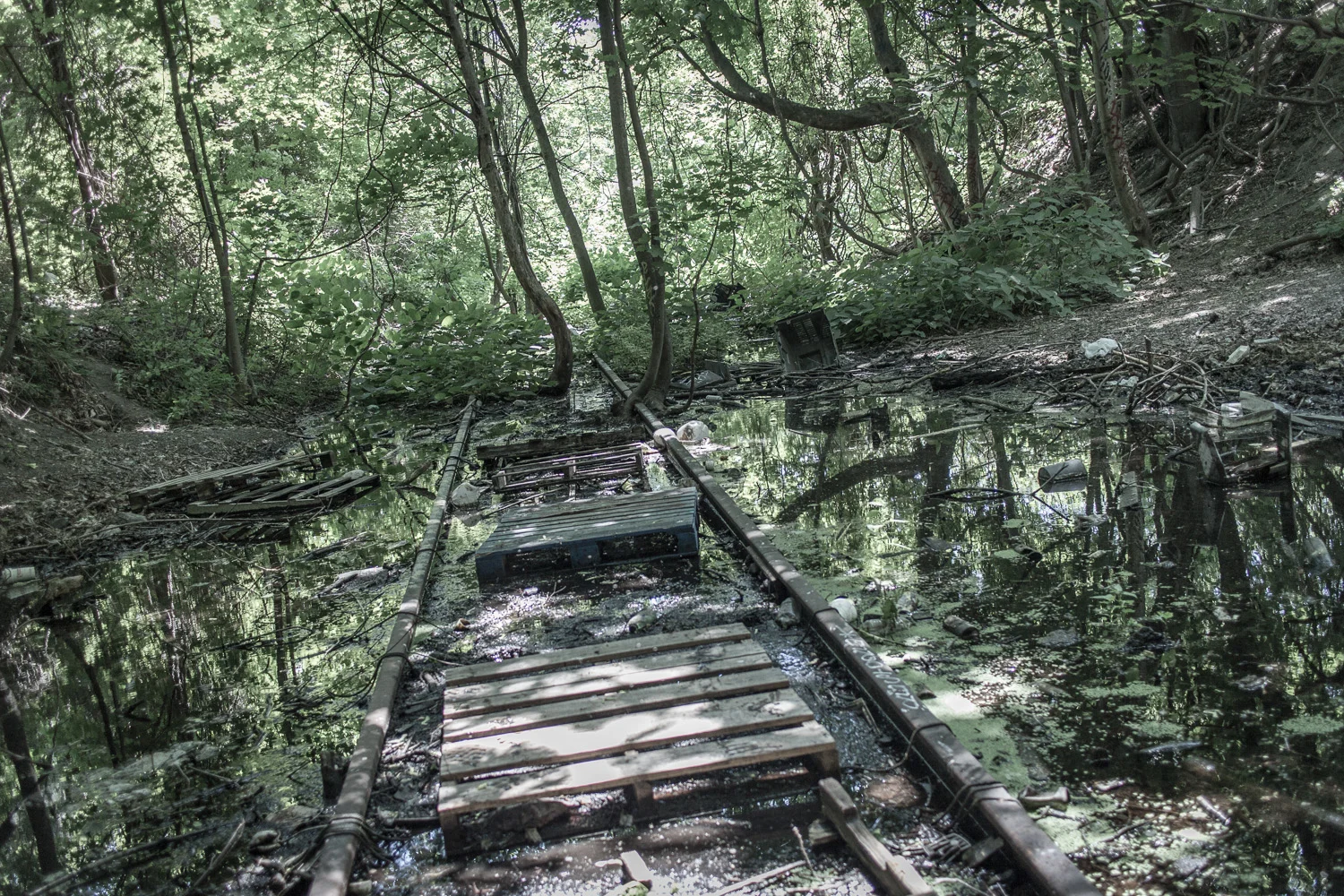
A few weeks ago I had the chance to walk the length (and record sound) of the former New Haven Railroad tunnel that lies beneath the historic streets of Providence's east side. It is a very interesting walking experience. The only entrance is from the east portal, just below Gano Street. There is a good amount of standing water there both outside the portal and within, probably close to a foot deep. The portals have been blocked up with steel panels but attempts to keep the tunnel totally closed are regularly thwarted, in fact it looks as though someone with a torch cut a small door in one side. Aside from what light comes through the door and the gaps in the steel it is very dark and very cool. Although it was built for two tracks only one remains and the roof is very high, probably to accommodate the electric catenary that once was strung above one of the tracks.
The water recedes some as you travel west, the ballasted road bed is mostly dry with small streams along both walls. The line is very straight, and only hooks near the western end. The walls are decorated with graffiti and there are the scattered remains of many adventures and parties, and the rusted hulk of one abandoned car. Near the western portal sunlight streams through gaps in the steel panels and again there is deep standing water on the tracks.
Water drips constantly and reverberates throughout the tunnel. There is a sulfur smell in the air and in places it seems very cave like with stalactites hanging from the roof and partnered stalagmites forming on the rail bed and in one spot on the top of the rail. There is no way out on the western side down below Benefit street so it's a there and back walk. The distance one way is a little more than a mile. Bring rubber boots and flashlights and don't go alone. It is state property and technically it is trespassing so take care.
A number of years ago I put this research together for an exhibition. East Side Monthly thought so much of it that they lifted it whole and published it without credit as part of a story they did on the tunnel, just in case it seems familiar.
The East Side railroad tunnel opened with much fanfare on November 15th, 1908. Tunnel laborers held a small demonstration and the story headlined that Sunday's Providence Journal. On that day the emperor of China died, Governor Higgins issued the annual Thanksgiving proclamation and a somber ceremony marking the closing of the Fox Point railroad station followed the last "transfer car" downtown. The Fox Point station had served the city for 73 years but had been made obsolete by the tunnel which would bring trains directly in to Union Station on Exchange Terrace.
The tunnel project had begun two years before, on the 20th of April, 1906. Also on that day a streetcar jumped track on Plainfield Street and a massive fire following an earthquake destroyed most of the city of San Francisco. Crews working east from Benefit Street. and west from Gano Street met below Cooke Street on April 7, 1908, a day earlier than expected. The night shift of the westerly section won the honors for digging the farthest in one shift, and every one was given the next day off. On that day the New York Conference of Methodists rescinded a long standing ban on dancing.
Originally the tunnel had two tracks, one of which was electrified, as the line to Bristol and Fall River was served by electric interurban cars until 1934. The tunnel also provided a route to Boston for trains that did not need to stop at Pawtucket. Traffic patterns changed, the second track was removed in the 1950's and the tunnel became a route for freight trains only. The line to Bristol was abandoned in 1976. In 1981 ownership of the tunnel itself was transferred to the State of Rhode Island and the last train traveled through it shortly after that. No ceremony was noted.
On May 1st. 1993, a group of students gathered at the western portal below Benefit Street for a May Day party. They lit fires, put on animal masks, pounded on drums until early the next morning, when police arrived. Fearing the activities in the tunnel were unsafe, they attempted to get the students to leave. The situation escalated quickly as some students refused to go, the police responded with pepper spray and the students answered with rocks and bricks. The ensuing melee ended with many injuries and a badly damaged police car, and the police charge in the next day's paper that they had encountered "satanic rituals". As a result the portals on both ends were sealed up with steel doors, which soon were forced open.
Other items:
The Benefit St. Armory was moved to its present location to make way for the tunnel. The building was leased by the state to the Providence Marine Corps of Artillery, an organized military company, for a term of one thousand years from June 23, 1852, at a yearly rental of six and a quarter cents. The military company wished to maintain this lease arrangement rather than have a new building built, so the New Haven Railroad made the necessary land purchases and moved the armory building with mule teams and logs.
The cost of the project, which included the bridge over the Seekonk river and the approach to Union station was two million dollars. No casualties were reported during construction. The area surrounding the west portal, the scene of the "student riot" is now a parking lot.