Cold Coffee
never breaking news.

Canal of Ghosts
Walking with ghosts along the Blackstone Canal.
Walking with ghosts along the Blackstone Canal.
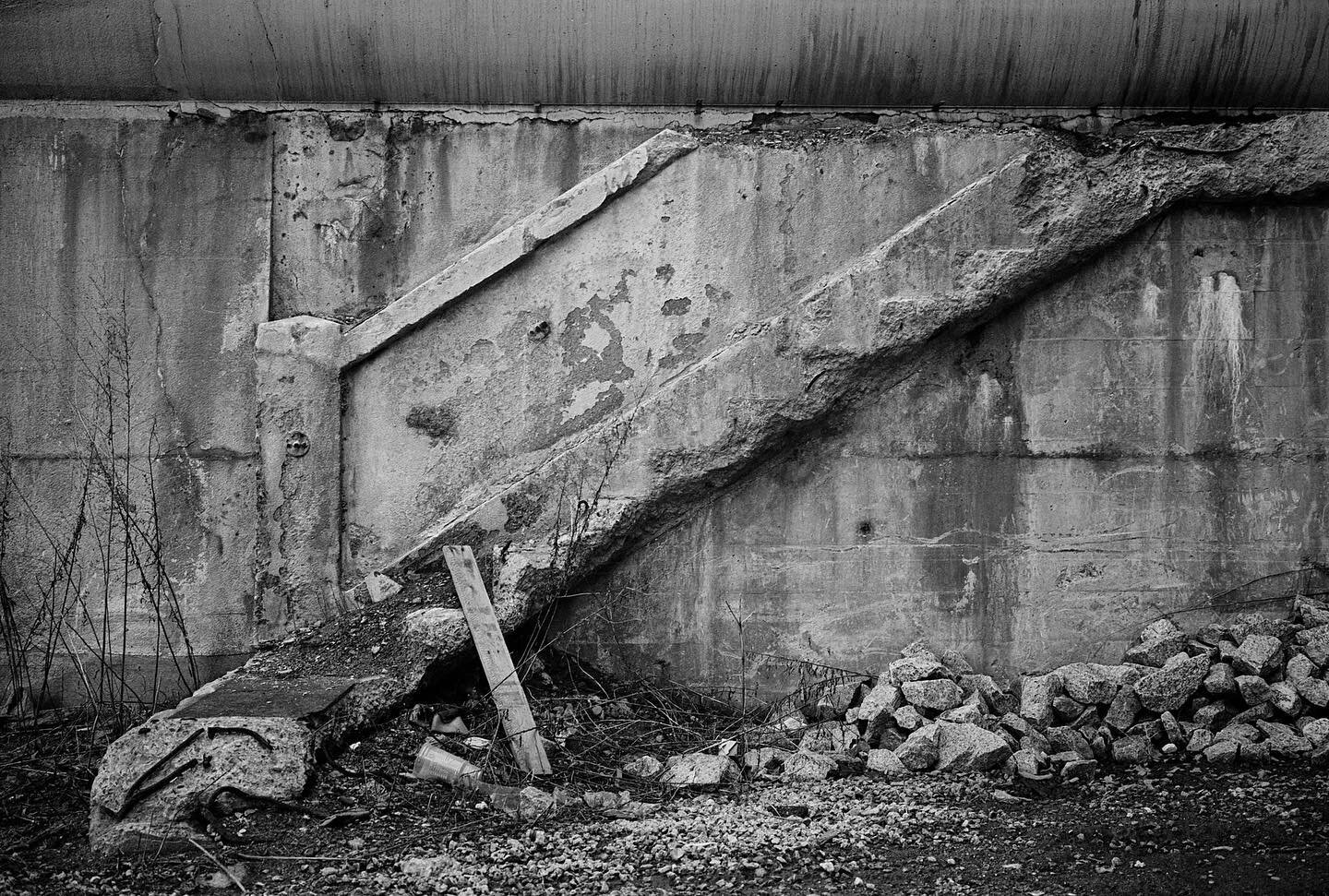
The wind is sharp as I scurry across busy Branch Avenue, sending the clouds scudding and keeping the rain at bay. The tops of the trees have been stripped bare, limbs black, bony against the sky. I’m entering the North Burial Ground, and I’m looking for the place where the Moshassuck River emerges from its subterranean crossing of Interstate 95. I walk for ways with the highway to my left and rows of stones and statuary to my right. There’s much room to grow on this side of the burial grounds; I cross large lawns of brown grass. A concrete retaining wall announces its arrival. A pair of rectangular openings angling back toward the highway. Two echoing chambers, cast free of any date or ornament, bearing only a modest “716”. These are entrance and exit to fields set aside for the collection of dates, names, and bones.
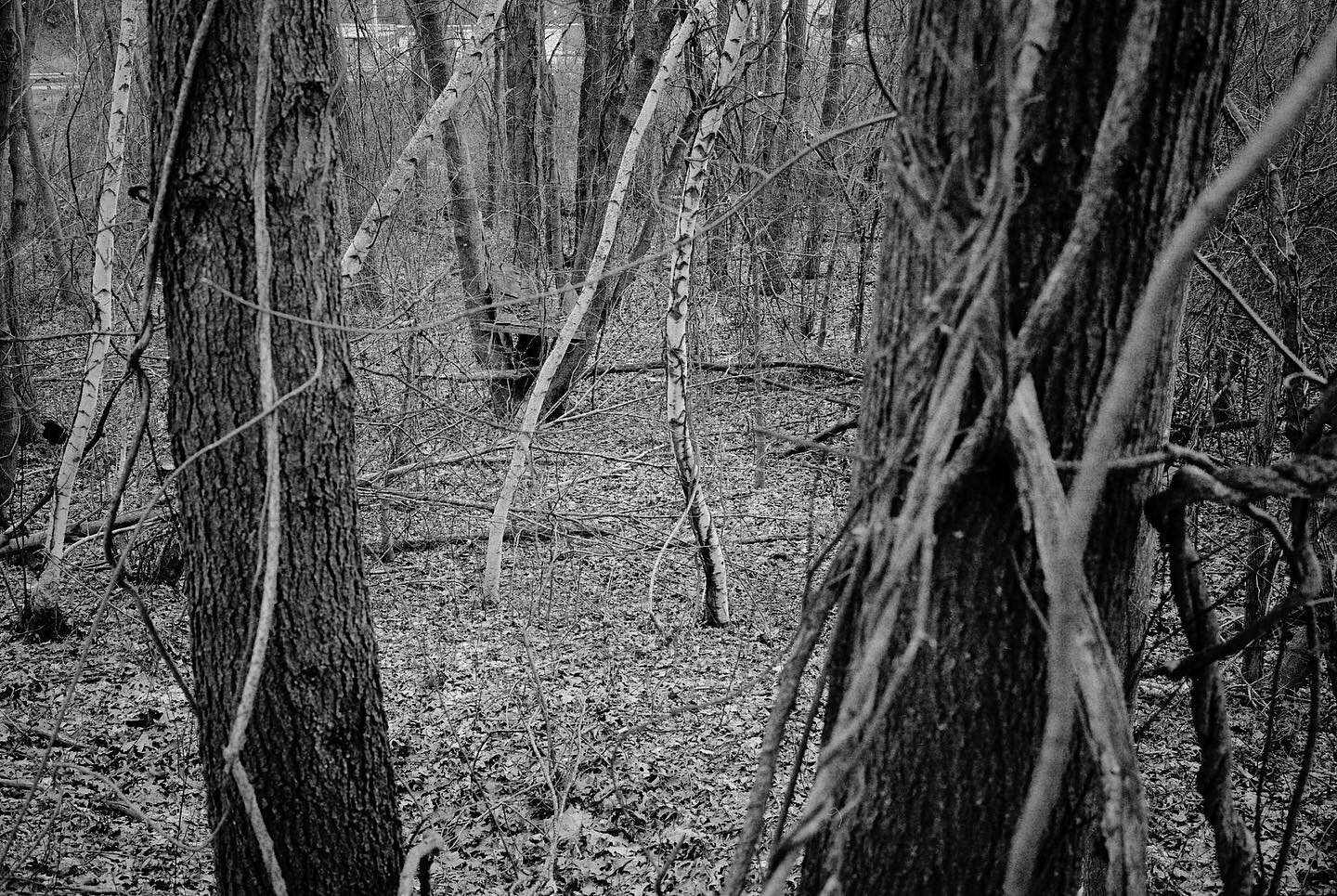
The river immediately finds its Blackstone Canal days maintained, the bed running as straight as ever between walls of cut stone. The tow path is clogged with Catalpa and Oak and masses of twisting vines. That’s no problem, as I have only myself in tow, and I happily clamber around, glad to be free of the droning interstate.
Some trees have succumbed to the water's pull and have lain down for a rest, momentarily holding and releasing the stream. It’s a reasonable approximation of a babbling brook, and I stop to consider an earlier traveller on an earlier journey.

The canal bounds a potter’s field, and likely displaced some remains when it was dug. That certainly happened much later, when the highway claimed part of the burial grounds, nipping a piece of the potter’s field. No matter. Despite the appearance of order among the numbered plots above ground, it is chaos down below. Decades of poor record-keeping have made this area a de facto mass grave. If someone has to move for the convenience of the traveling living, they can move in with someone else; the more the merrier. Perhaps then, this accounts for the observations of my distant voyager, a passenger on a Providence-bound canal boat who reported seeing (while passing through the burial grounds) ”a strange blue-tinged orb that seemed to hover just at the level of the trees, then dart quickly forth and back…”.
Current employees of the cemetery have described what they called a "spirit in the trees”, a human shape moving around and above the trees which sometimes "seems dark and sometimes glows with light”. People who have seen this phenomenon say they have seen it not only in the trees here along the canal but around the pond and on the ridge of the esker, which lies just east of the river.
At the north end of the potter’s field, the river once again dives below the busy off-ramp. Further north, on the rail line that put the canal out of business, there was a terrible accident. Two trains collided at the Valley Falls station. Thirteen people were killed. One of the victims is buried in this cemetery under a headstone adorned with the image of a locomotive. Beyond the loss of life, this accident is notable for another reason. It is thought to be the first train wreck ever photographed. A Pawtucket man made a daguerreotype at the scene, from which an engraving was made that was reproduced in newspapers only weeks later.
Are there ghosts here beyond the ghosts of engravings in old newspapers? I consider then the lost thirteen, never to arrive at Worcester. There they are for eternity, some staring out a coach window anticipating a less eventful departure, others rattling along aboard the second train oblivious to the oblivion so soon before them. I can also imagine a fourteenth ghost, the ghost of the photographer from Pawtucket preparing his plate and hefting his kit down to the station, focusing his brass-barreled lens on the same horrific pile of splintered wood and twisted iron, year after year, trapped by the shade of the plate he is forever making. I snap my own picture. The rain arrives, and I squeeze past a fence and onto the road home.

What's underneath
East Portal in 1998
A walk through the East Side railroad tunnel
A few weeks ago I had the chance to walk the length (and record sound) of the former New Haven Railroad tunnel that lies beneath the historic streets of Providence's east side. It is a very interesting walking experience. The only entrance is from the east portal, just below Gano Street. There is a good amount of standing water there both outside the portal and within, probably close to a foot deep. The portals have been blocked up with steel panels but attempts to keep the tunnel totally closed are regularly thwarted, in fact it looks as though someone with a torch cut a small door in one side. Aside from what light comes through the door and the gaps in the steel it is very dark and very cool. Although it was built for two tracks only one remains and the roof is very high, probably to accommodate the electric catenary that once was strung above one of the tracks.
The water recedes some as you travel west, the ballasted road bed is mostly dry with small streams along both walls. The line is very straight, and only hooks near the western end. The walls are decorated with graffiti and there are the scattered remains of many adventures and parties, and the rusted hulk of one abandoned car. Near the western portal sunlight streams through gaps in the steel panels and again there is deep standing water on the tracks.
Water drips constantly and reverberates throughout the tunnel. There is a sulfur smell in the air and in places it seems very cave like with stalactites hanging from the roof and partnered stalagmites forming on the rail bed and in one spot on the top of the rail. There is no way out on the western side down below Benefit street so it's a there and back walk. The distance one way is a little more than a mile. Bring rubber boots and flashlights and don't go alone. It is state property and technically it is trespassing so take care.
A number of years ago I put this research together for an exhibition. East Side Monthly thought so much of it that they lifted it whole and published it without credit as part of a story they did on the tunnel, just in case it seems familiar.
The East Side railroad tunnel opened with much fanfare on November 15th, 1908. Tunnel laborers held a small demonstration and the story headlined that Sunday's Providence Journal. On that day the emperor of China died, Governor Higgins issued the annual Thanksgiving proclamation and a somber ceremony marking the closing of the Fox Point railroad station followed the last "transfer car" downtown. The Fox Point station had served the city for 73 years but had been made obsolete by the tunnel which would bring trains directly in to Union Station on Exchange Terrace.
The tunnel project had begun two years before, on the 20th of April, 1906. Also on that day a streetcar jumped track on Plainfield Street and a massive fire following an earthquake destroyed most of the city of San Francisco. Crews working east from Benefit Street. and west from Gano Street met below Cooke Street on April 7, 1908, a day earlier than expected. The night shift of the westerly section won the honors for digging the farthest in one shift, and every one was given the next day off. On that day the New York Conference of Methodists rescinded a long standing ban on dancing.
Originally the tunnel had two tracks, one of which was electrified, as the line to Bristol and Fall River was served by electric interurban cars until 1934. The tunnel also provided a route to Boston for trains that did not need to stop at Pawtucket. Traffic patterns changed, the second track was removed in the 1950's and the tunnel became a route for freight trains only. The line to Bristol was abandoned in 1976. In 1981 ownership of the tunnel itself was transferred to the State of Rhode Island and the last train traveled through it shortly after that. No ceremony was noted.
On May 1st. 1993, a group of students gathered at the western portal below Benefit Street for a May Day party. They lit fires, put on animal masks, pounded on drums until early the next morning, when police arrived. Fearing the activities in the tunnel were unsafe, they attempted to get the students to leave. The situation escalated quickly as some students refused to go, the police responded with pepper spray and the students answered with rocks and bricks. The ensuing melee ended with many injuries and a badly damaged police car, and the police charge in the next day's paper that they had encountered "satanic rituals". As a result the portals on both ends were sealed up with steel doors, which soon were forced open.
Other items:
The Benefit St. Armory was moved to its present location to make way for the tunnel. The building was leased by the state to the Providence Marine Corps of Artillery, an organized military company, for a term of one thousand years from June 23, 1852, at a yearly rental of six and a quarter cents. The military company wished to maintain this lease arrangement rather than have a new building built, so the New Haven Railroad made the necessary land purchases and moved the armory building with mule teams and logs.
The cost of the project, which included the bridge over the Seekonk river and the approach to Union station was two million dollars. No casualties were reported during construction. The area surrounding the west portal, the scene of the "student riot" is now a parking lot.

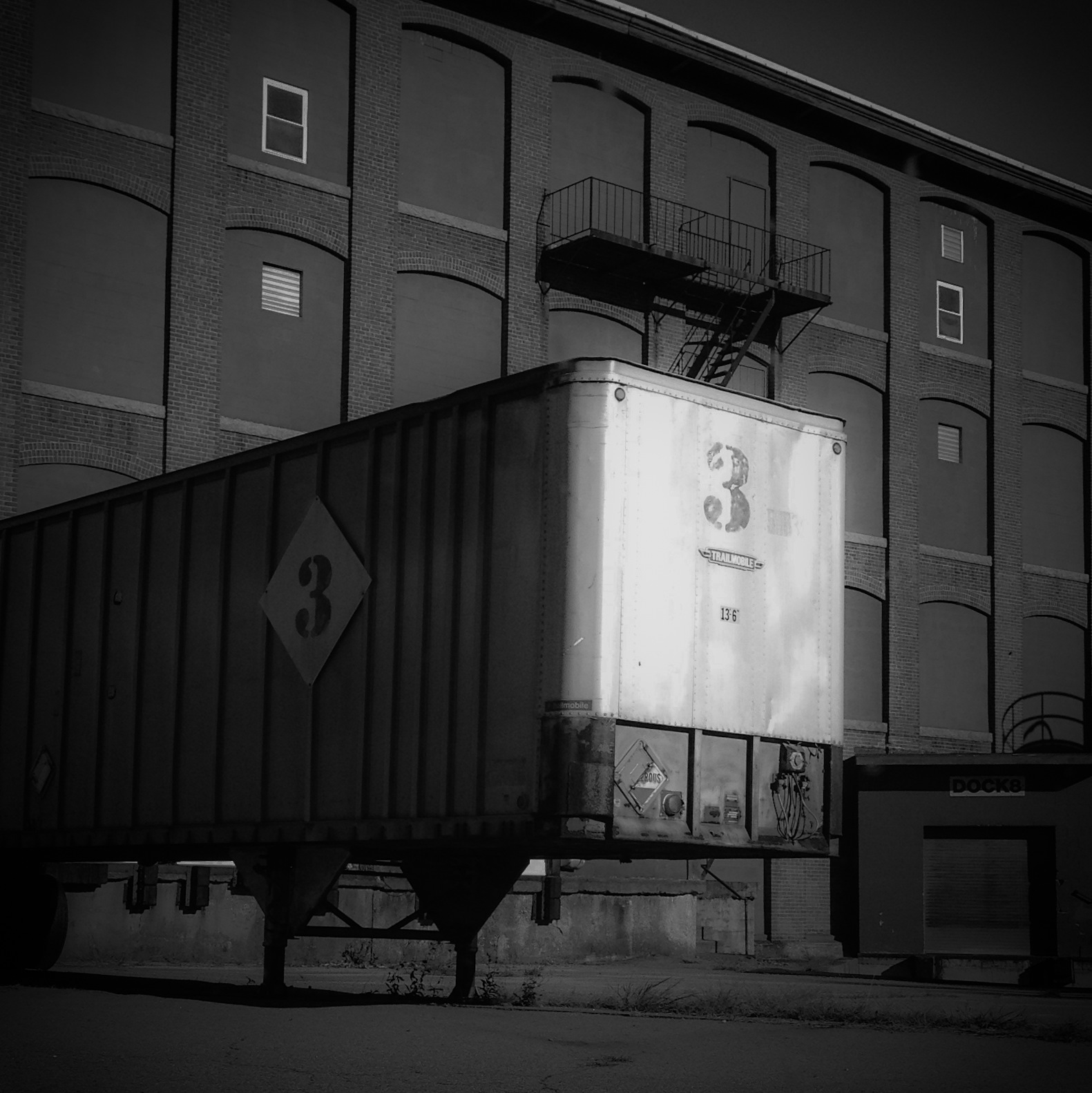

Listen to the Pictures Part 2
Parts 1-4 of the audio piece created from field recordings made during the walks along the Moshassuck River. Recordings were made over a period of about 9 months.
Listen to the pictures: Conanicus' Bow audio
The full audio will be available on Saturday when the show opens.
New work: Conanicus' Bow @ AS220 Project Space
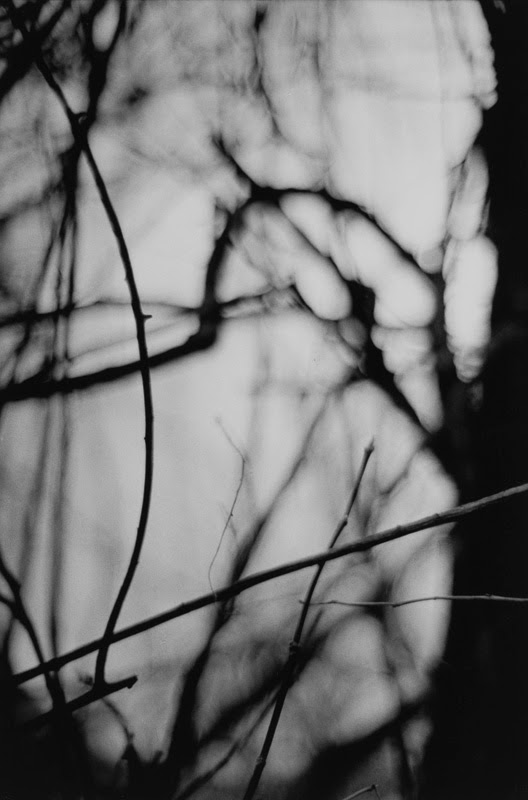
Opening on Saturday February 1st. Providence in Silver: photographs by John Nanian, Warren Eve, Paul Shelasky and Erik Gould @AS220 Project Space, Providence RI.
I'm very excited to be part of this group show and to show some new work. 40 photographs with text and audio.
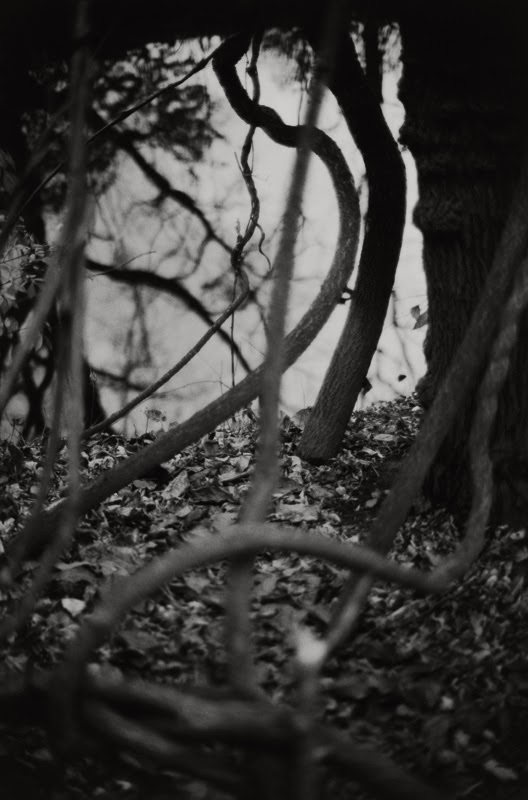
to walk the Moshassuck River, only 8.9 miles in length, flowing from Lincoln RI to the bay at Providence. Used and abused, this river makes its way almost unseen through a built landscape including former textile mills, a casket factory, three cemeteries, a major rail line and an interstate highway.
I relate my experience in photographs, words and field audio.
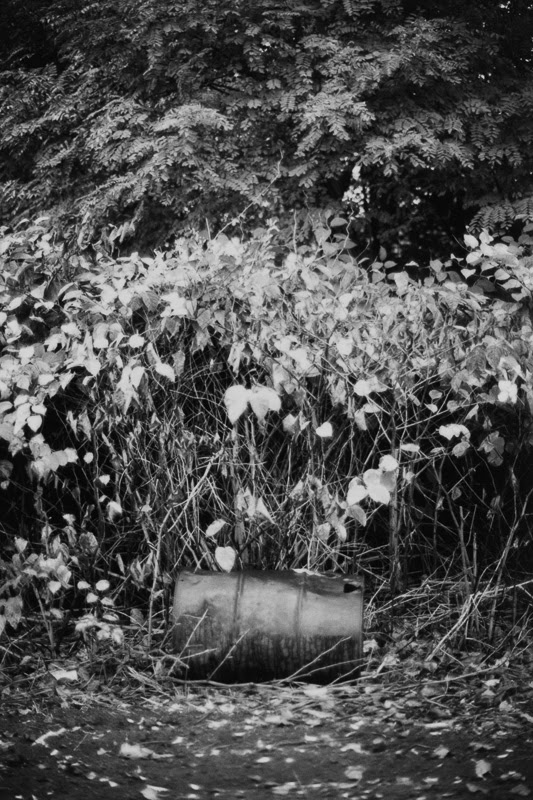
"Even under the open sky it is difficult to see and to get to, well guarded by a thicket of trees and vines and exit ramps. There's water there? Hiding in plain sight until comes a rainy spring and with great flood announces to the unlucky that although it may be your house or workshop YES indeed: a river flows (temporarily) through it..."