Cold Coffee
never breaking news.

Brutal and Unloved
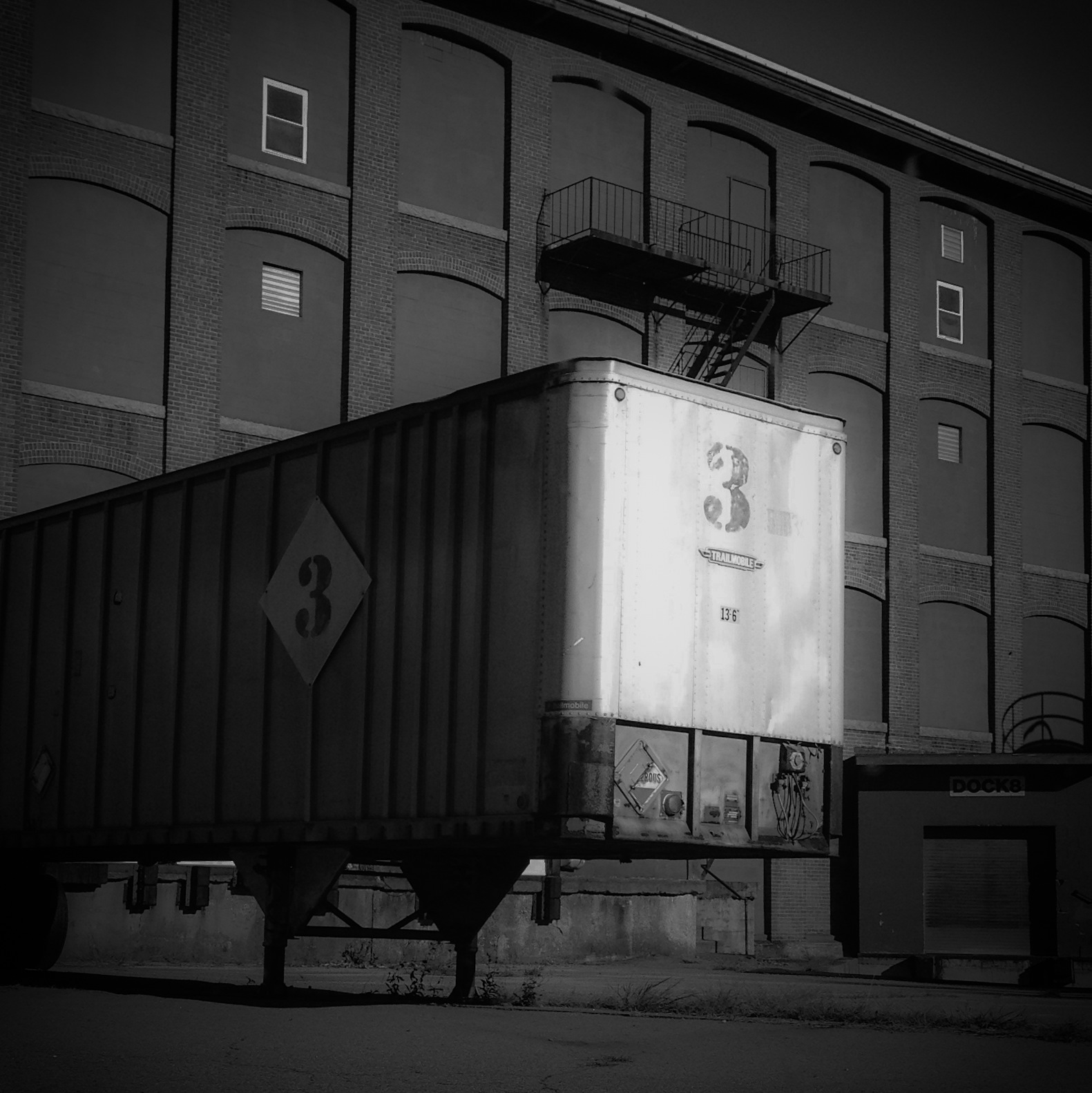
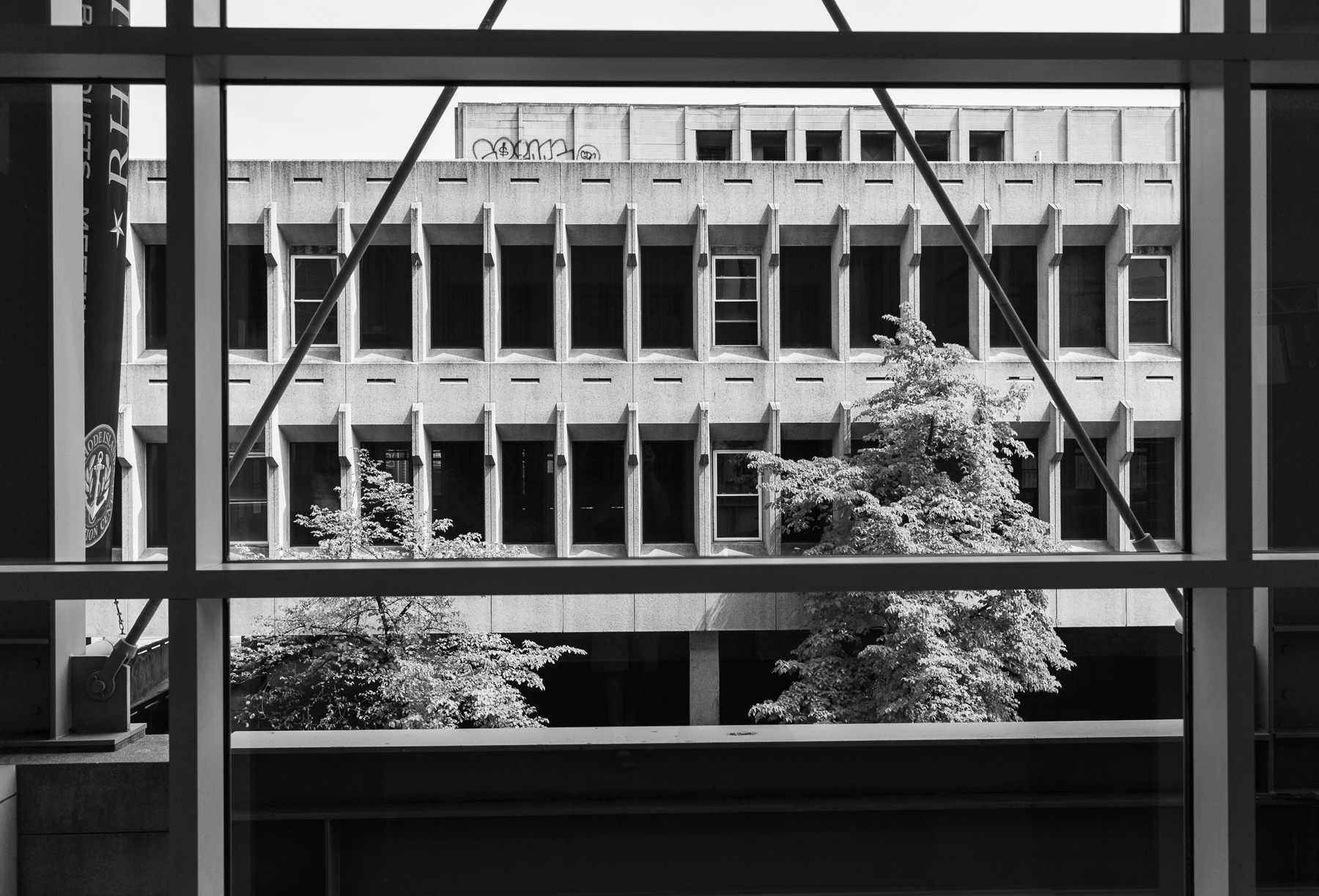
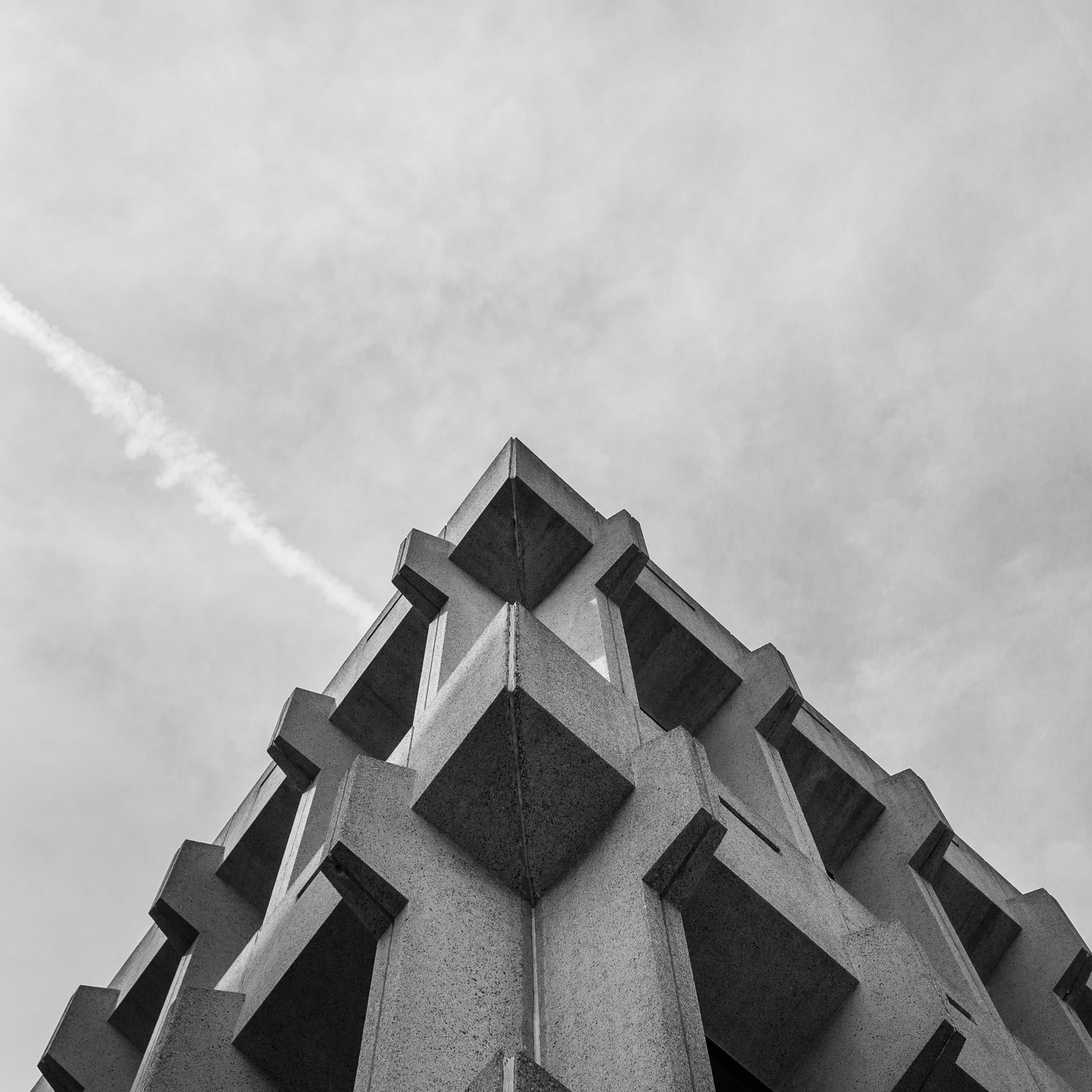
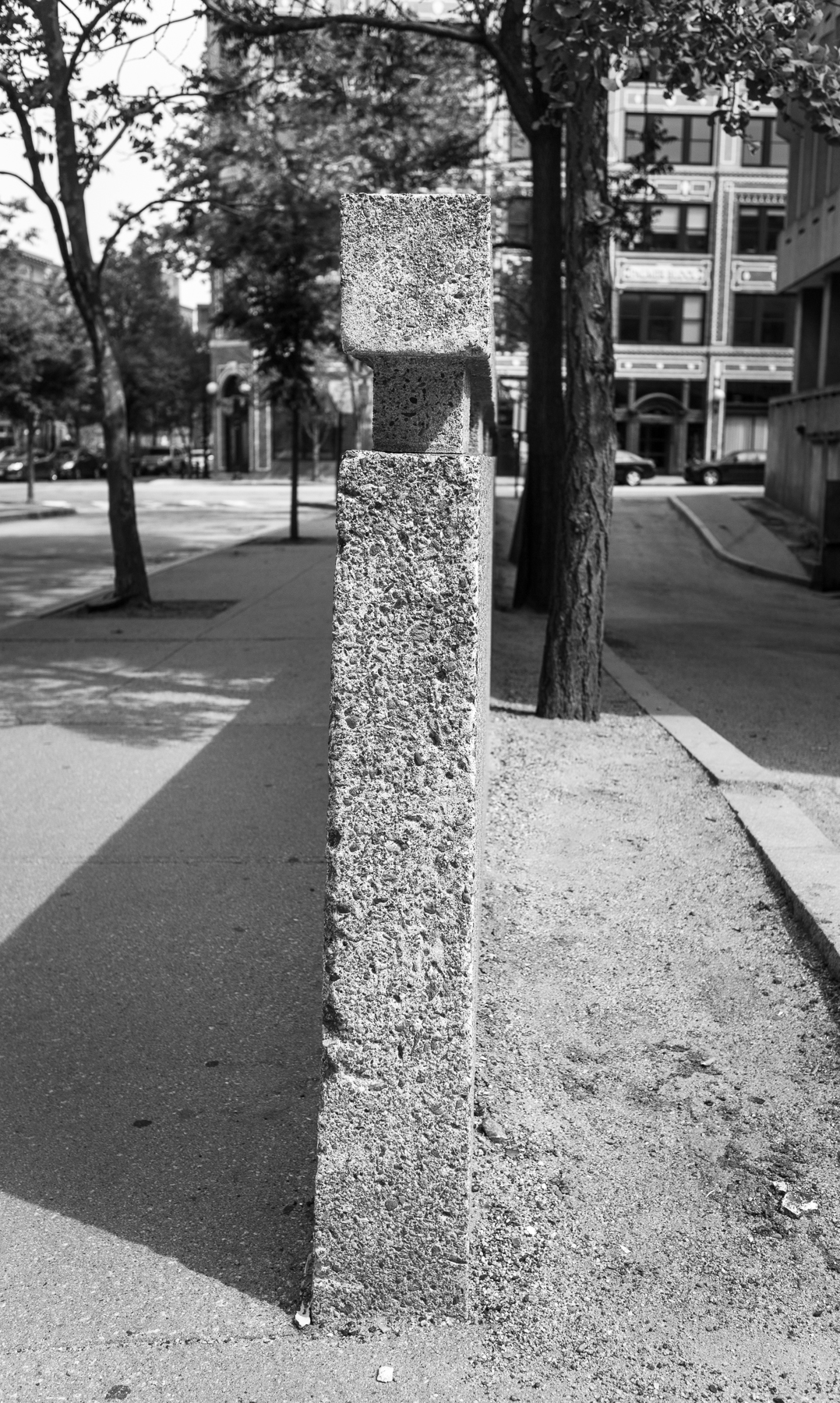
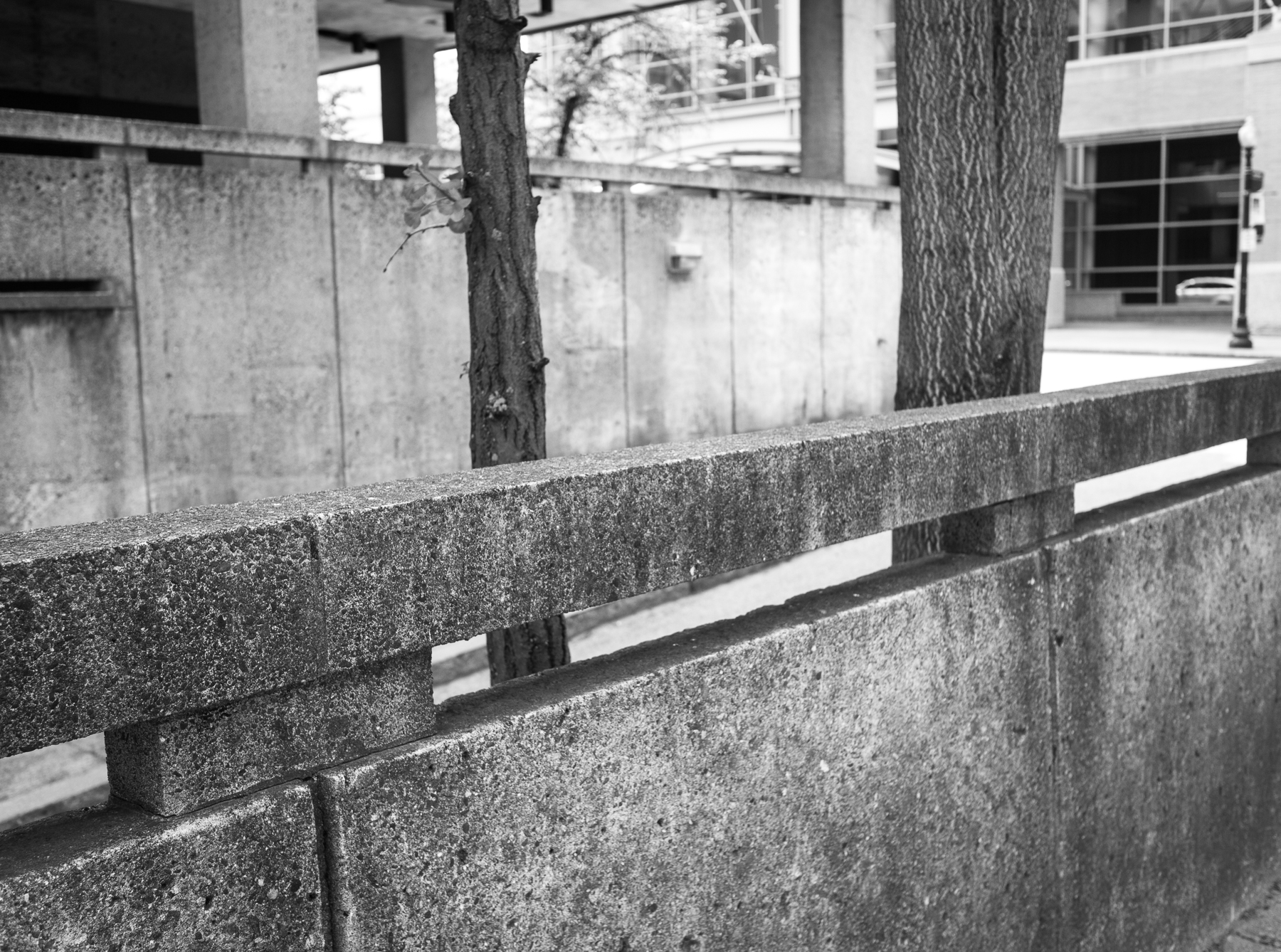
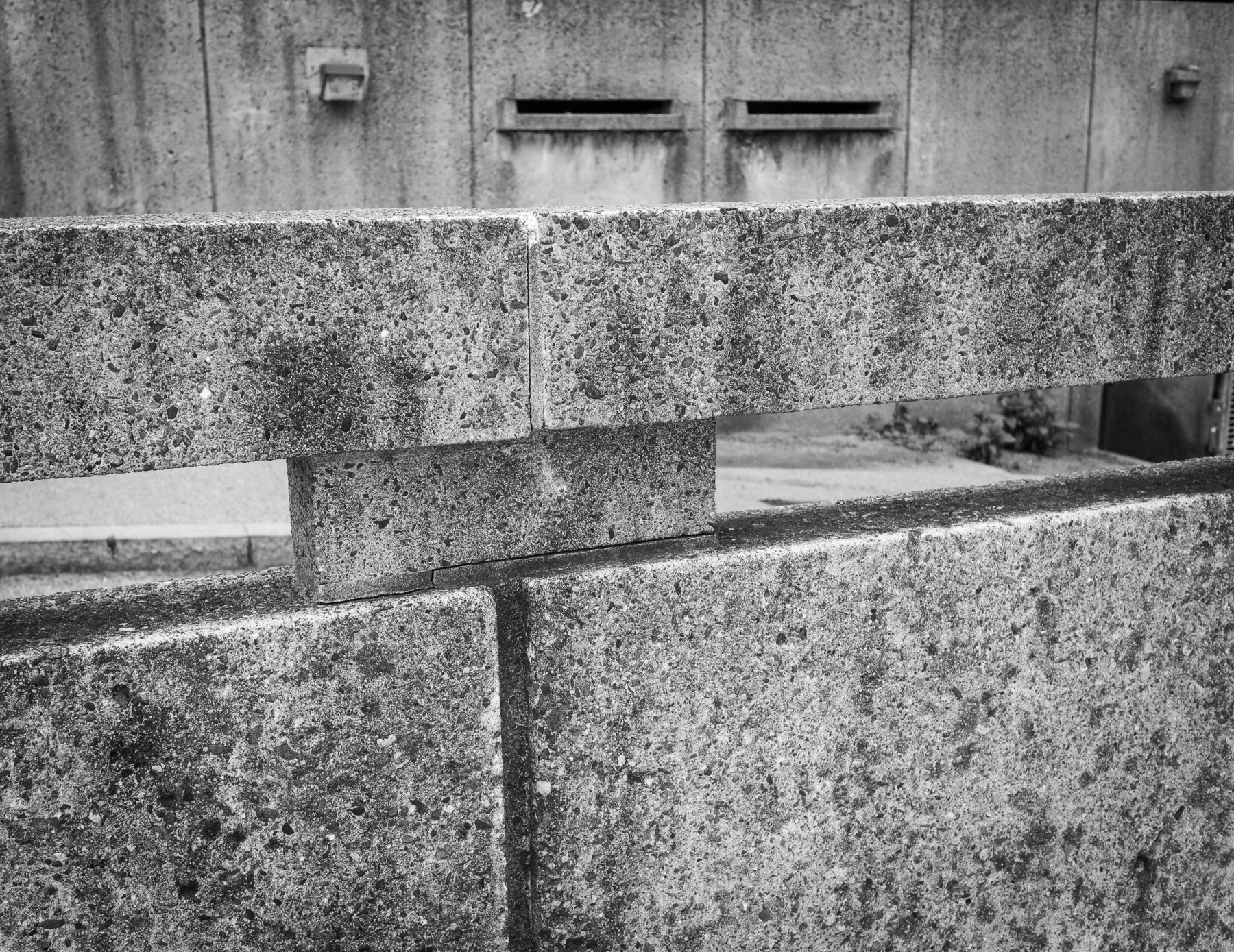
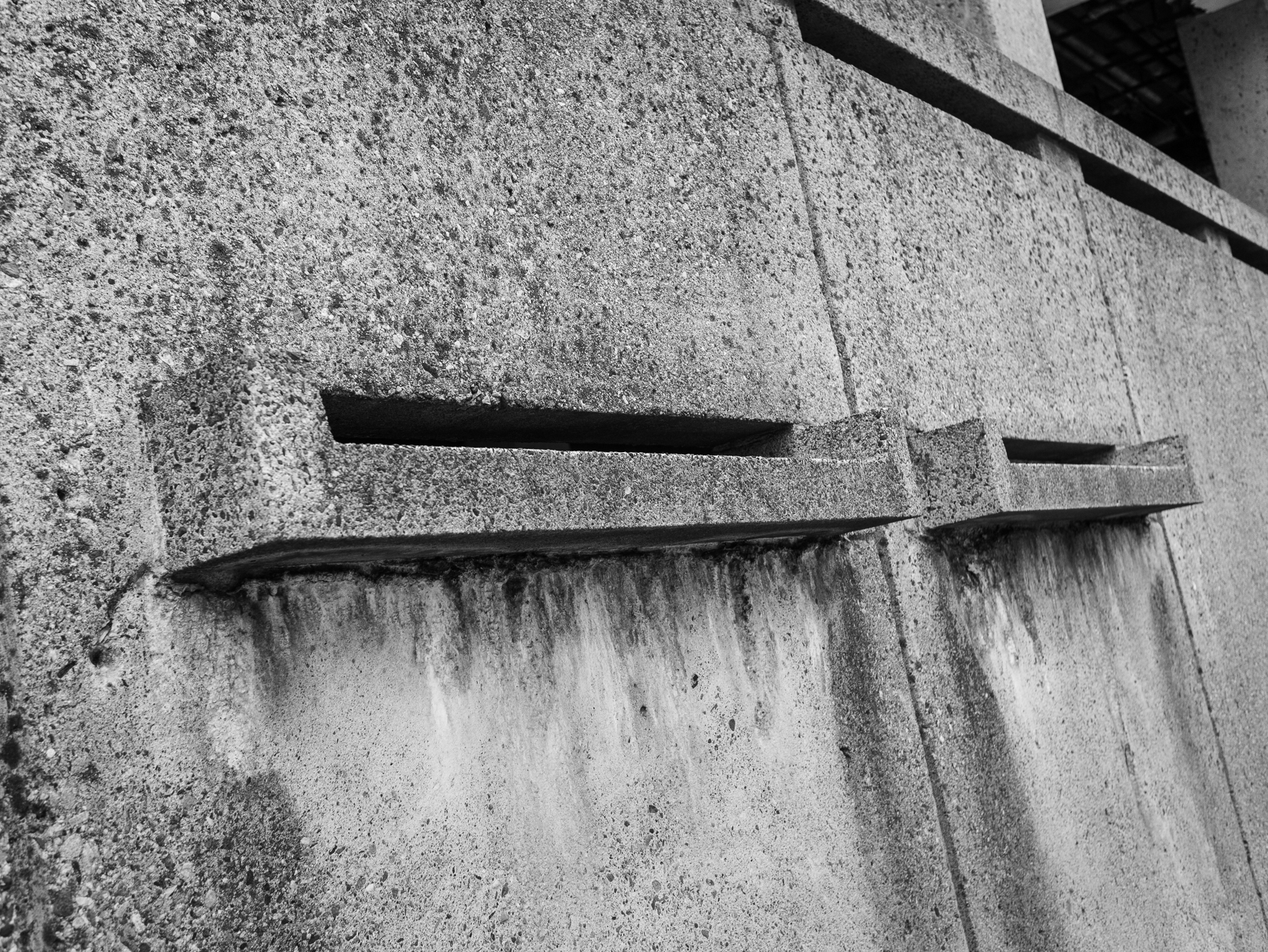
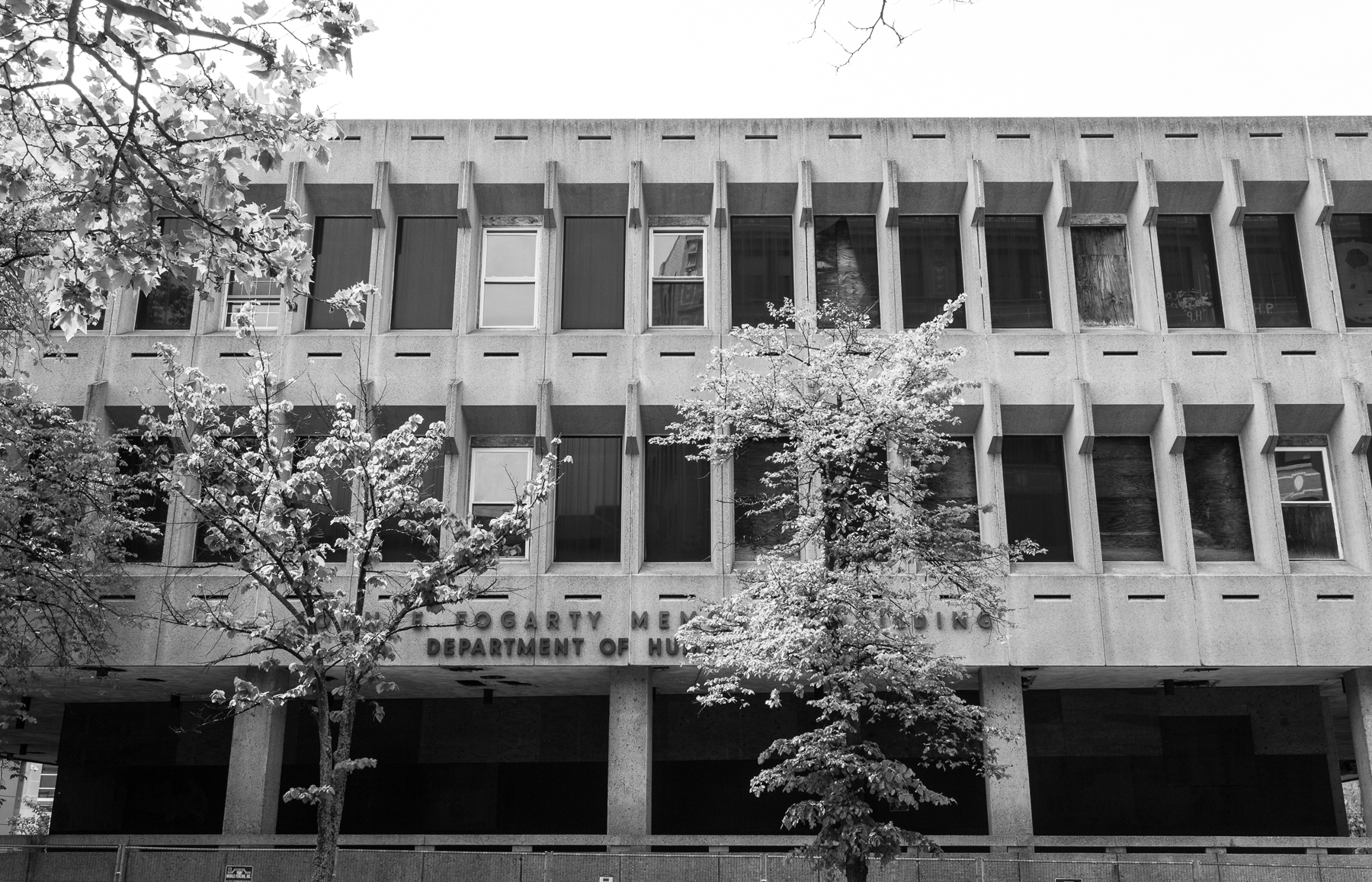
Sketches towards a photo essay on the doomed Fogarty building, Fountain Street, Providence.
Read about it here.

What's underneath
East Portal in 1998
A walk through the East Side railroad tunnel
A few weeks ago I had the chance to walk the length (and record sound) of the former New Haven Railroad tunnel that lies beneath the historic streets of Providence's east side. It is a very interesting walking experience. The only entrance is from the east portal, just below Gano Street. There is a good amount of standing water there both outside the portal and within, probably close to a foot deep. The portals have been blocked up with steel panels but attempts to keep the tunnel totally closed are regularly thwarted, in fact it looks as though someone with a torch cut a small door in one side. Aside from what light comes through the door and the gaps in the steel it is very dark and very cool. Although it was built for two tracks only one remains and the roof is very high, probably to accommodate the electric catenary that once was strung above one of the tracks.
The water recedes some as you travel west, the ballasted road bed is mostly dry with small streams along both walls. The line is very straight, and only hooks near the western end. The walls are decorated with graffiti and there are the scattered remains of many adventures and parties, and the rusted hulk of one abandoned car. Near the western portal sunlight streams through gaps in the steel panels and again there is deep standing water on the tracks.
Water drips constantly and reverberates throughout the tunnel. There is a sulfur smell in the air and in places it seems very cave like with stalactites hanging from the roof and partnered stalagmites forming on the rail bed and in one spot on the top of the rail. There is no way out on the western side down below Benefit street so it's a there and back walk. The distance one way is a little more than a mile. Bring rubber boots and flashlights and don't go alone. It is state property and technically it is trespassing so take care.
A number of years ago I put this research together for an exhibition. East Side Monthly thought so much of it that they lifted it whole and published it without credit as part of a story they did on the tunnel, just in case it seems familiar.
The East Side railroad tunnel opened with much fanfare on November 15th, 1908. Tunnel laborers held a small demonstration and the story headlined that Sunday's Providence Journal. On that day the emperor of China died, Governor Higgins issued the annual Thanksgiving proclamation and a somber ceremony marking the closing of the Fox Point railroad station followed the last "transfer car" downtown. The Fox Point station had served the city for 73 years but had been made obsolete by the tunnel which would bring trains directly in to Union Station on Exchange Terrace.
The tunnel project had begun two years before, on the 20th of April, 1906. Also on that day a streetcar jumped track on Plainfield Street and a massive fire following an earthquake destroyed most of the city of San Francisco. Crews working east from Benefit Street. and west from Gano Street met below Cooke Street on April 7, 1908, a day earlier than expected. The night shift of the westerly section won the honors for digging the farthest in one shift, and every one was given the next day off. On that day the New York Conference of Methodists rescinded a long standing ban on dancing.
Originally the tunnel had two tracks, one of which was electrified, as the line to Bristol and Fall River was served by electric interurban cars until 1934. The tunnel also provided a route to Boston for trains that did not need to stop at Pawtucket. Traffic patterns changed, the second track was removed in the 1950's and the tunnel became a route for freight trains only. The line to Bristol was abandoned in 1976. In 1981 ownership of the tunnel itself was transferred to the State of Rhode Island and the last train traveled through it shortly after that. No ceremony was noted.
On May 1st. 1993, a group of students gathered at the western portal below Benefit Street for a May Day party. They lit fires, put on animal masks, pounded on drums until early the next morning, when police arrived. Fearing the activities in the tunnel were unsafe, they attempted to get the students to leave. The situation escalated quickly as some students refused to go, the police responded with pepper spray and the students answered with rocks and bricks. The ensuing melee ended with many injuries and a badly damaged police car, and the police charge in the next day's paper that they had encountered "satanic rituals". As a result the portals on both ends were sealed up with steel doors, which soon were forced open.
Other items:
The Benefit St. Armory was moved to its present location to make way for the tunnel. The building was leased by the state to the Providence Marine Corps of Artillery, an organized military company, for a term of one thousand years from June 23, 1852, at a yearly rental of six and a quarter cents. The military company wished to maintain this lease arrangement rather than have a new building built, so the New Haven Railroad made the necessary land purchases and moved the armory building with mule teams and logs.
The cost of the project, which included the bridge over the Seekonk river and the approach to Union station was two million dollars. No casualties were reported during construction. The area surrounding the west portal, the scene of the "student riot" is now a parking lot.

Field Notes: Photographing what's not there.
Making the photographs for the 2015 Most Endangered Properities show.
Former site of Fruit Hill School. 2015
Now that the Most Endangered Properties 20th Anniversary Photography Exhibit is now open I can share my contribution and how it was done. This year I took on the task of photographing three sites where the endangered property could not be saved. These are the former sites of the Grove Street school, Fruit Hill school and Providence Fruit and Produce warehouse. Two locations are currently empty lots and the third has some new commercial development. A full history of each site can be found here.
Former site of Grove Street school. 2015
Former site of Fruit and Produce Warehouse. 2015
I took an approach with these locations to layer the current state with what was lost using in camera montage. Each space was photographed on a roll (two rolls) of 35mm film. I chose not to go with just one set point of view, rather I walked the site and recorded what saw and what interested me as I explored the space. I moved from wide views to details, looking for good coverage and nice juxtapositions. The film was then rewound, leaving just the leader exposed and identified by site.
Back in the studio I set up for basic copy photography, mounting the camera on a vertical stand and swapping in a macro lens. I had previously collected vintage images of each site, in the case of the Produce Warehouse I used my own images from the 1990s. I used archive images of the two schools including some vintage postcards. On each site I had about a half dozen different archival images to choose from. I used 5x7 prints of each. I then reloaded the film and cycled through the various images, sometimes altering cropping and exposure.
I then crossed my fingers and processed the film in the darkroom. I easily could have done this digitally but one of the wonderful aspects of shooting film is to open your work up to an element of chance. I always look for ways that I can introduce the "happy accident" or employ a chance operation. There is risk, but in risk their can be reward. Happily I felt I was rewarded here.

HARRY CALLAHAN Providence, ca. 1966 (Shepards)
Astute photo history people no doubt notice that I was inspired in this by the work of the master photographer Harry Callahan. In the 1960s during his tenure as the head of the photo program at RISD he did an amazing series of in camera montages, photographing, most appropriately. in downtown Providence among other places. The image above features the storefront windows of Shepards department store. The Shepards building was one of the very first properties on the MEP list and happily has been saved.
As I was working on deadline, I hedged my bets and shot each site in a more conventional way. It never hurts to have a backup plan. These were also shot on film, this time on 120 format using a Graflex SLR. This type of camera lends itself to a low point of view which seemed appropriate to me for these vacant sites, especially the former school locations.
Former site of Fruit and Produce Warehouse. 2015
Former site of Fruit Hill School. 2015
Former site of Grove Street school. 2015